
Last updated November 2, 2026
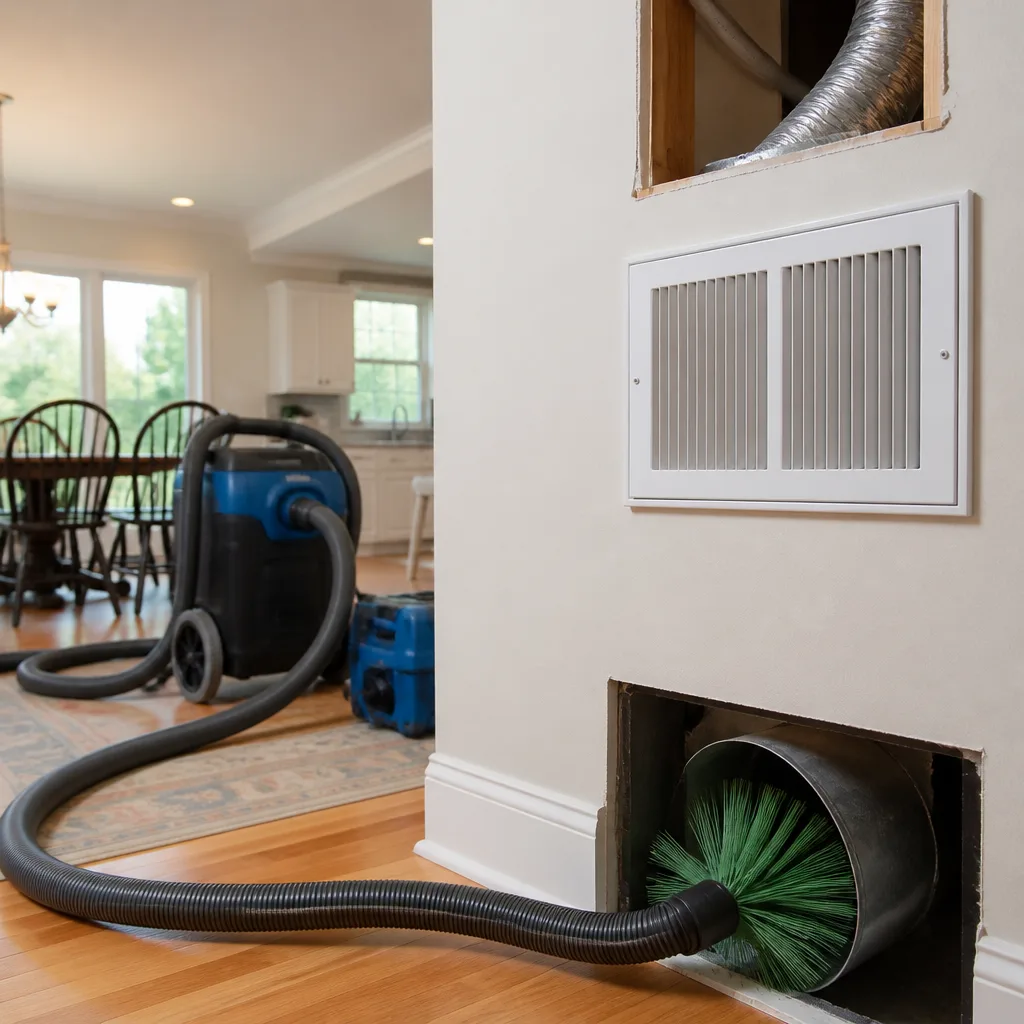 Whole-home duct cleaning
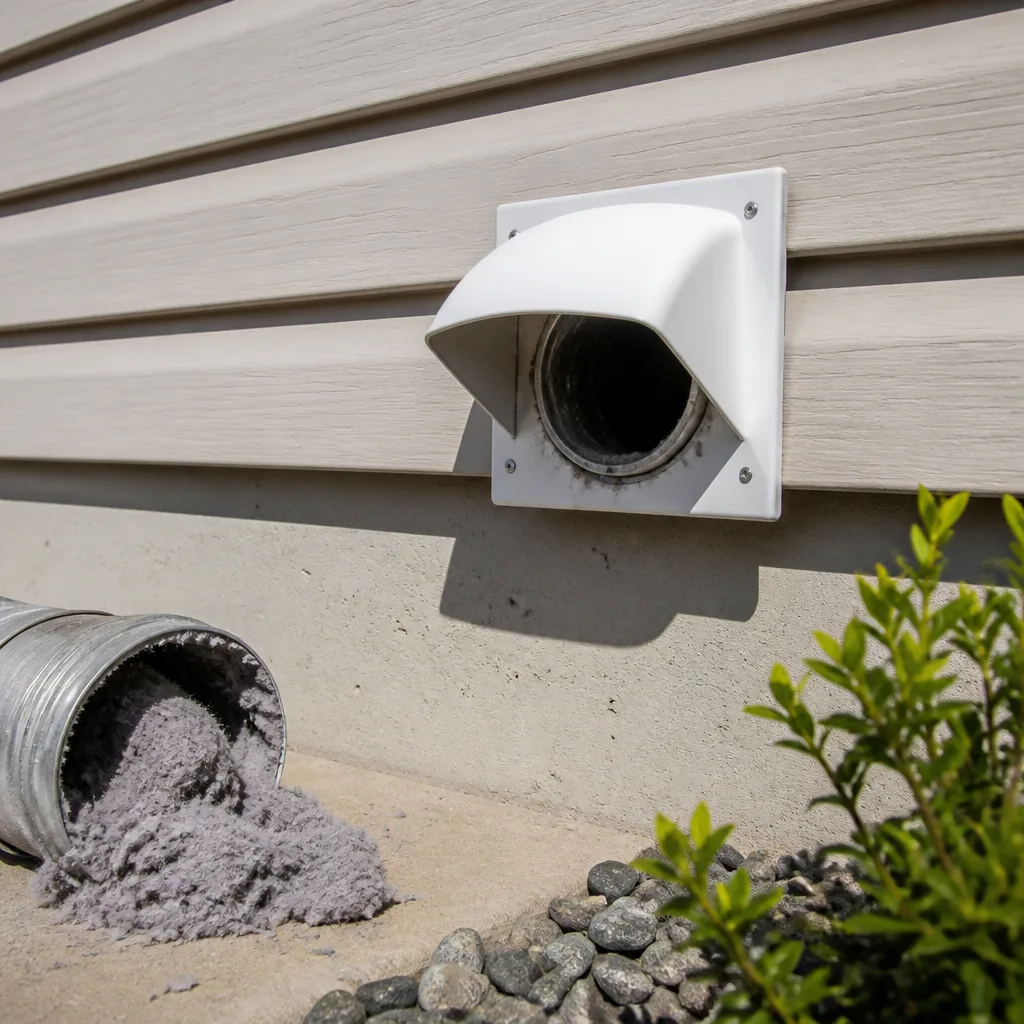 Dryer vent cleaning
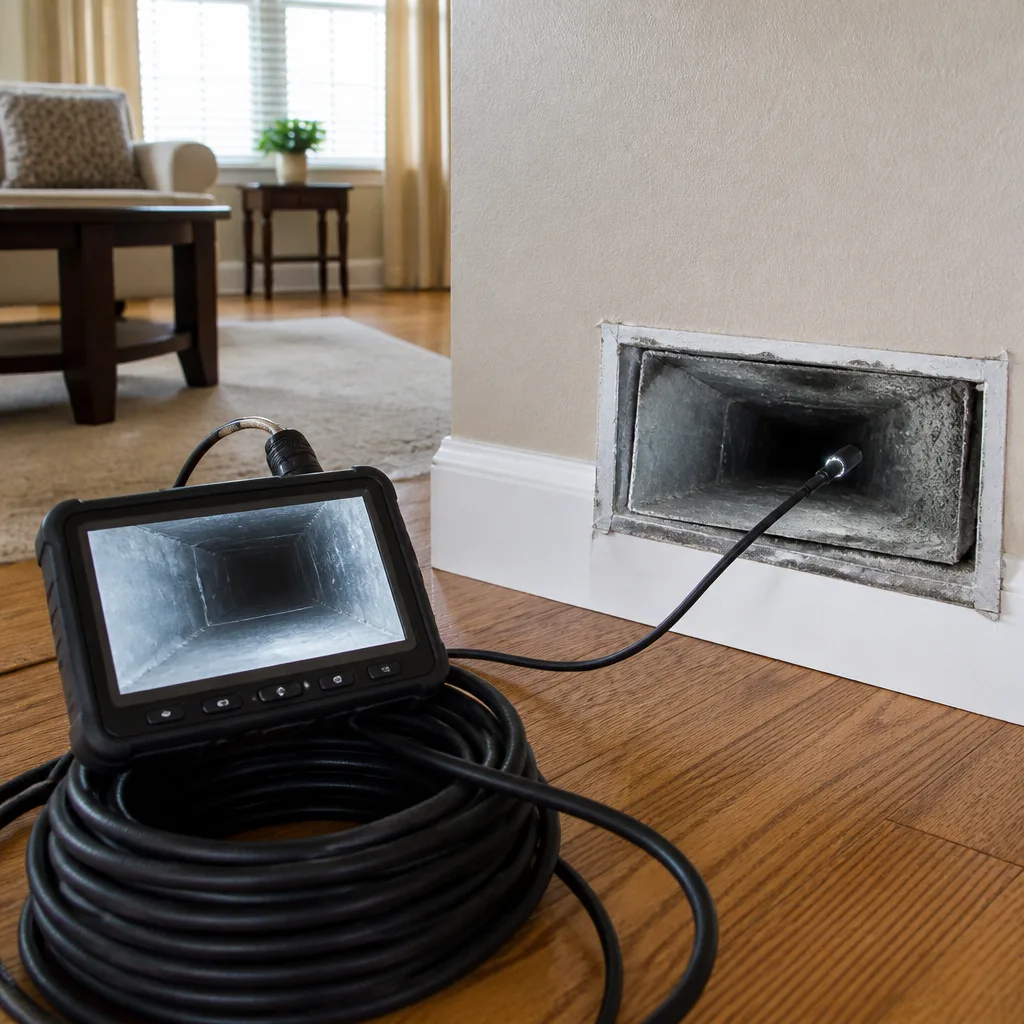 Camera inspection
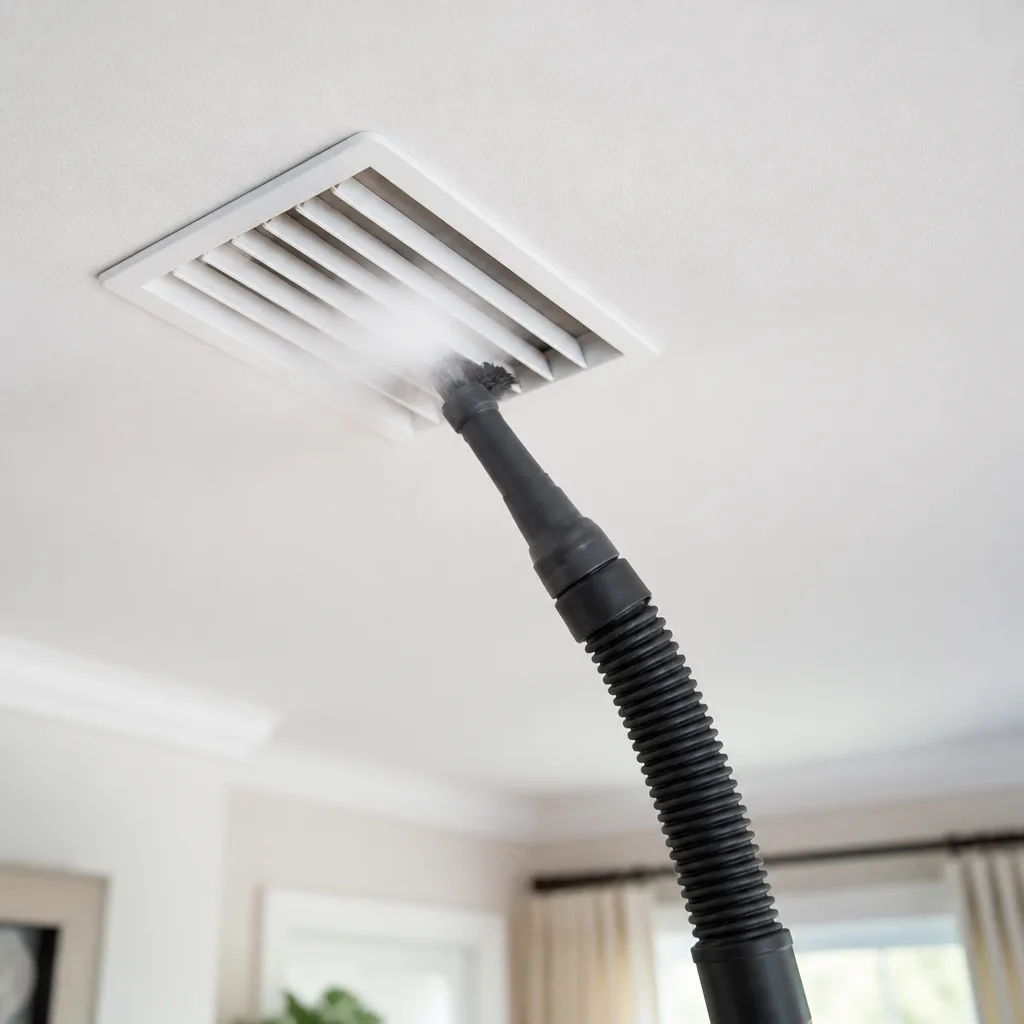 Sanitizing & deodorizing
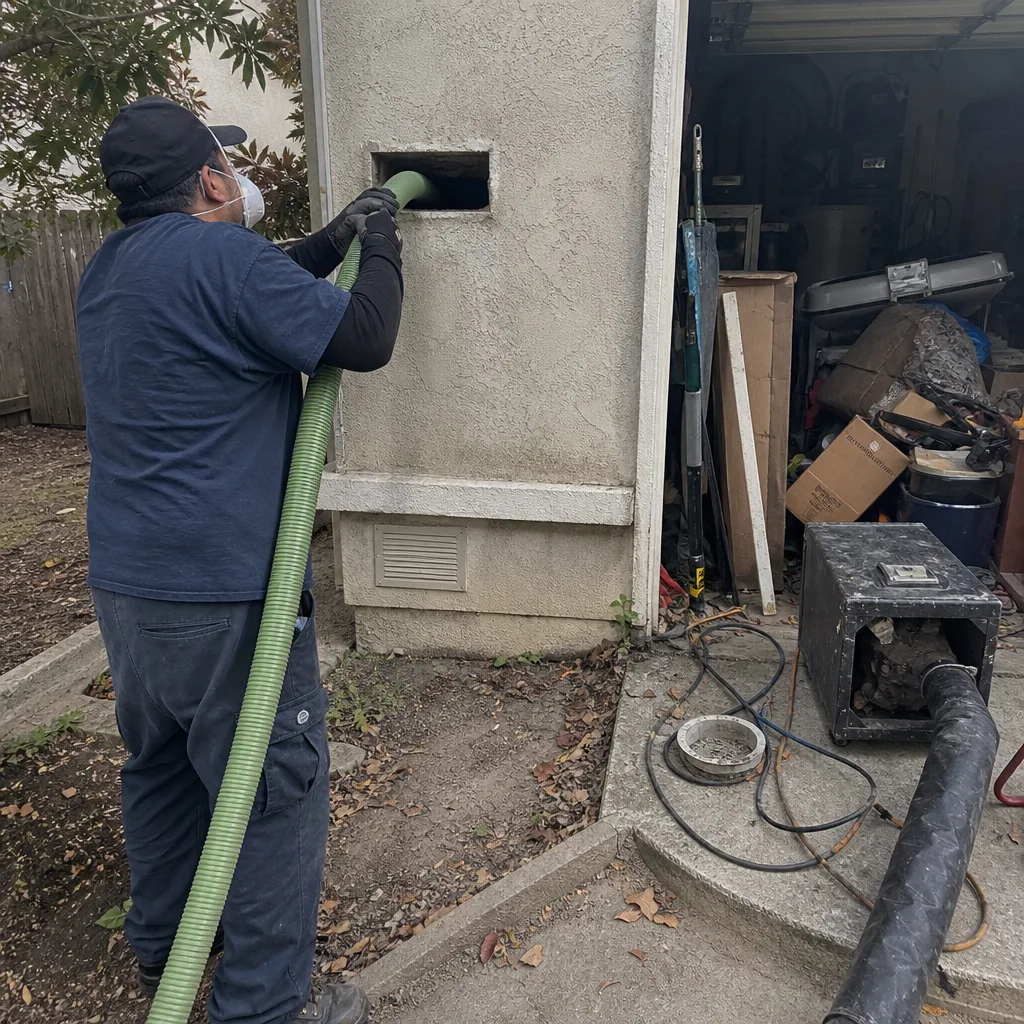
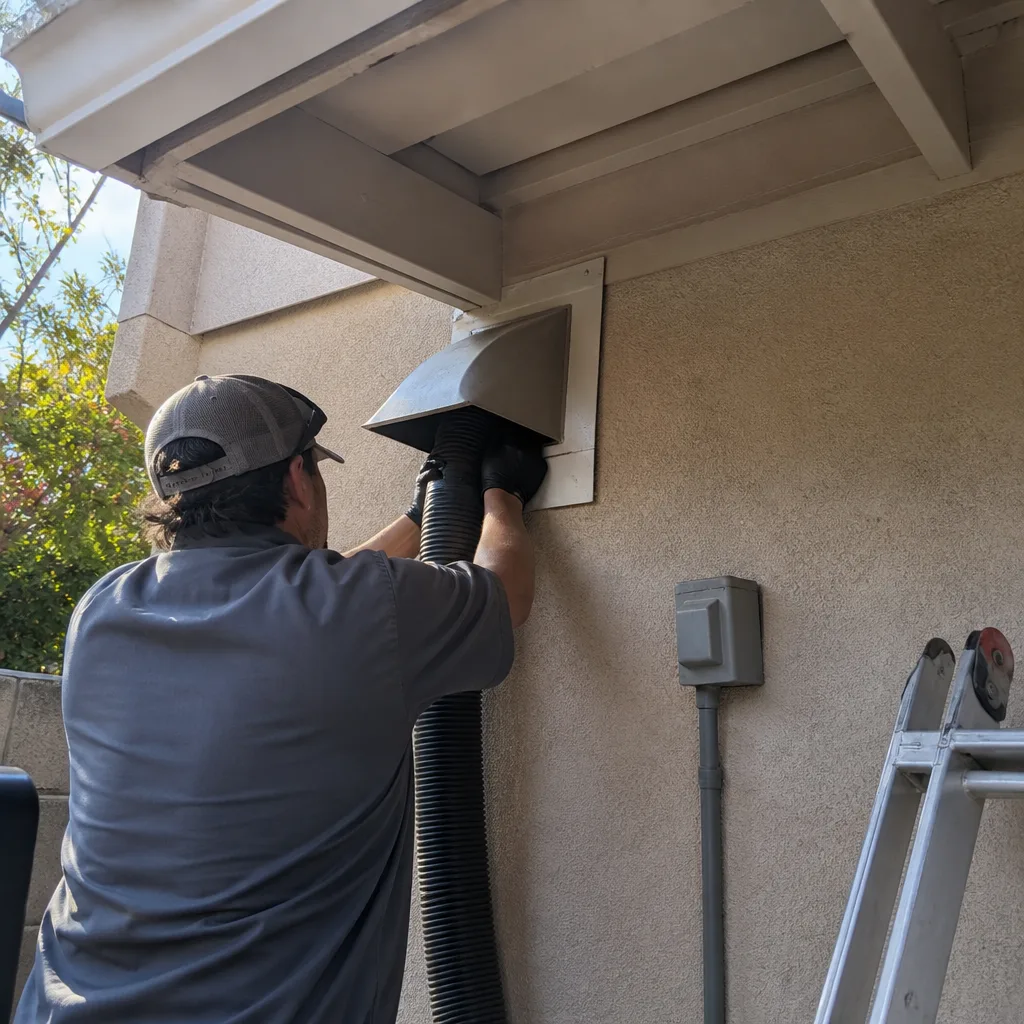
Whole-system duct and dryer vent check with before-and-after photos - you see exactly what came out of your vents
That "$99 whole-house special" is a bait ad - the real number appears once they are in your hallway, or the "clean" is a shop-vac at the register. We photograph the inside of your ducts before and after instead.
Air Duct Cleaning Warning Signs: An Oak Park Homeowner’s Reference Guide
Here’s a counterintuitive fact we’ve learned from years of working inside Oak Park duct systems: the vast majority of homeowners who call us with a “hunch” that something’s wrong are right, but their hunch is usually attached to the wrong cause. They see dust and think dirty ducts. Sometimes that’s true. Other times the dust pattern, the airflow behavior, or the smell tells a far more specific story, one that changes what the fix should be. This guide, along with The Complete Air Duct Cleaning Guide for Oak Park Homeowners, walks through what we actually look for when we’re diagnosing a duct system in Oak Park, and how you can read your own home’s signals before you pick up the phone.
Quick Answer
You should consider our Air Duct Cleaning services in Oak Park if you notice dust reappearing on surfaces within 48 hours of cleaning, visible debris or staining around supply registers, musty or burning odors that intensify when the HVAC system runs, or airflow that’s noticeably weaker in certain rooms. The most urgent warning sign, rodent activity inside the ductwork, requires immediate attention and often involves repair rather than cleaning alone. Most other signs can wait for a scheduled inspection.
Styles & brands we work with
- Whole-home duct cleaning
- Dryer vent cleaning
- Camera inspection
- Sanitizing & deodorizing
Table of Contents
- Dust That Comes Back: Reading the 48-Hour Pattern
- What Your Registers and Grilles Are Telling You
- Smell Identification: What Each Odor Type Points To
- Uneven Airflow Between Rooms: What It Actually Means
- Oak Park-Specific Warning Patterns: Wildfire Ash, Desert Dust, and Pool Moisture
- The One Sign That Means Stop the System Now
- Common Mistakes to Avoid
- When to Call a Professional
- Frequently Asked Questions
Dust That Comes Back: Reading the 48-Hour Pattern
Dust on a supply register is normal. Every home in Oak Park accumulates dust, especially during Santa Ana wind events when fine particulates push through window seals and door gaps. But dust that reappears within 48 hours of wiping a surface clean is a system telling you something specific, and it is not the same thing as visible debris at the return.
Here’s the distinction that matters. When dust collects on the supply registers, the vents that blow conditioned air into rooms, that dust is being pushed out of the ductwork. The duct system is actively distributing contaminants into your living space. That’s a cleaning issue. When dust accumulates at the return grille, the vent that pulls air back into the system, that’s often just the filter doing its job, catching airborne particles at the intake point.
We see this pattern frequently in Oak Park homes built before 1990, where original ductwork has been in service for three decades or more. The interior surfaces of those ducts accumulate a fine coating of dust, skin cells, pet dander, and textile fibers. Over time, that coating builds up to the point where normal system airflow scours it loose and redeposits it into rooms.
What to look for:
- Gray-white dust film on furniture within two to three feet of a supply register, reappearing within two days of wiping, suggests loose particulate inside the duct run.
- Black or dark gray speckling around the register edges can indicate soot or ash particulate, common in Oak Park after wildfire season, that has settled inside the duct system.
- Clumps or fibrous material visible at the register opening often means insulation breakdown or rodent nesting material being pushed toward the outlet.
The 48-hour rule is useful because it controls for normal household dust. If dust takes a week to reappear, you’re likely seeing standard accumulation. If it returns before two days have passed, the source is almost certainly mechanical: the HVAC system is recirculating what’s already inside the ducts. For an honest assessment of what’s actually in your system, our Air Duct Cleaning in Oak Park process includes a camera inspection before any work begins, so you can see the condition of your ducts rather than take anyone’s word for it.
What Your Registers and Grilles Are Telling You
Most homeowner guides stop at “visible dust means dirty ducts.” That’s too shallow. The physical evidence at your registers and grilles is often specific enough to identify the underlying problem before anyone opens an access panel.
Here’s what we’ve learned from thousands of register inspections in Oak Park:
Staining around the register opening. When you see discoloration on the ceiling or wall surface adjacent to a supply register, pay attention to the color and shape. A dark gray shadow extending a few inches from the opening is usually what we call “blowback staining” – fine particulate being forced out at high velocity and adhering to the surface. This indicates significant buildup inside the duct. A brownish or rust-colored stain often points to moisture inside the duct run, either from a condensation issue or a small leak, and that’s a different problem entirely. Rust staining means the metal duct itself is degrading.
Greasy or sticky residue. If the register surface feels tacky to the touch, even after you’ve wiped it down, you’re likely dealing with aerosolized cooking oils that have been drawn into the system over years of kitchen use. This is especially common in Oak Park homes with open floor plans where the kitchen shares air space with return registers. That sticky film traps dust and transforms a mild buildup problem into a stubborn one, because the particulate literally sticks to the duct interior instead of blowing through. Rotary brush systems, like the Rotobrush equipment we use, are effective at breaking up that adhered residue where a standard vacuum approach would fail.
Serious discoloration with a fuzzy or velvety texture. This is one to treat with caution. Dark staining that has a slight texture or matte finish, rather than looking like dry soot, can indicate biological growth. In Oak Park’s climate, where we get dry heat but also periods of humidity and marine layer influence from the coast, condensation inside poorly insulated ducts creates the moisture biological growth needs. This doesn’t mean every dark stain is mold, but it does mean you shouldn’t ignore it or try to scrub it yourself. Abatement Technologies containment and air-scrubbing equipment exists precisely because these situations require controlling the spread of whatever has colonized the duct interior while removing it.
Smell Identification: What Each Odor Type Points To
Smells are the most reliable diagnostic tool a homeowner has, because air ducts act as a distribution network for whatever odor source exists anywhere in the system. The key is matching the smell to the mechanical or biological cause rather than treating all duct odors as the same problem.
Musty or earthy smell that intensifies when the system runs. This is the classic description of biological growth inside the ductwork or in the HVAC unit itself. The smell is often strongest when the system first starts up, then fades as you acclimate to it. In Oak Park homes with evaporative coolers historically used alongside forced-air systems, the moisture introduced during summer months creates ideal conditions for mildew to develop inside the duct liner. Even in homes that switched to traditional AC decades ago, the legacy of that moisture can remain in the form of compromised duct lining. A musty smell that’s consistent and persistent generally means the ducts need cleaning with proper containment, and possibly repair if the liner is damaged.
Burning or hot dust smell. This is the smell that gets people worried, and it’s usually not as serious as it seems. When a forced-air system sits idle for months, dust settles on the heat exchanger surfaces. The first few heating cycles of the season burn that dust off, producing a smell that’s often described as hot, acrid, or like a hair dryer. This smell should disappear within a few cycles. If it persists for days, or if it smells more like electrical burning than dust, shut the system down and get a professional inspection immediately. Persistent burning smell can indicate an overheating blower motor, a failing capacitor, or debris resting directly on hot components.
Chemical or solvent-like odor. In a well-maintained system, there should be no chemical smell. Strong solvent or paint-like odors often trace back to stored household chemicals being pulled into the return air stream or to residue from adhesives and sealants used in ductwork. In newer Oak Park homes or recently renovated ones, off-gassing from new carpet, paint, and manufactured materials gets pulled into the system and recirculated. Air duct cleaning helps by removing particulates that have absorbed those volatile compounds, but the source of the chemical off-gassing also needs to be addressed. We work with Honeywell and Aprilaire products, so we understand the full picture of indoor air quality and can point you toward the right filtration approach while the off-gassing period runs its course.
Rodent or decay odor. This one is unmistakable once you’ve smelled it, and it’s the most urgent non-mechanical warning sign. A pungent, sweet, or decayed smell coming through the vents almost always means an animal has died inside the duct system or that rodent activity has contaminated the ductwork with urine and droppings. In Oak Park, where roof rats and mice are persistent residents of older neighborhoods, access points at the roofline, crawlspace, and garage can lead rodents directly into the ductwork. This is the smell that should trigger an immediate system shutdown and a call for both cleaning and possible repair, because the duct may have entry holes that need to be addressed. More on that in the emergency section below.
Uneven Airflow Between Rooms: What It Actually Means
Here’s the mistake homeowners make constantly: one room is too hot in summer, too cold in winter, and the first conclusion is that the ducts are dirty. We hear it every week in Oak Park. The reality is more complicated, and understanding it can save you from paying for a service that won’t fix your problem.
What uneven airflow usually indicates, in order of probability:
- Damper positions. Every forced-air system has manual dampers in the duct runs, and almost no one knows where theirs are. In many Oak Park homes, dampers were adjusted years ago, possibly by a previous owner, and never rebalanced. A closed or partially closed damper behaves exactly like a dirty duct, restricting airflow to one room while others get full force.
- Register obstructions. Furniture, rugs, curtains, and even closed doors with no air gap beneath them create static pressure that changes airflow distribution. We’ve diagnosed “duct problems” that were actually a sectional sofa placed over the main floor return.
- Leakage in specific duct runs. A disconnected or partially separated duct joint in the attic or crawlspace means conditioned air is leaking into unconditioned space instead of reaching the room at the end of that run. This is a repair issue, not a cleaning issue.
- Actual duct restriction. This is where cleaning comes in, and it’s generally the result of years of accumulation that has narrowed the effective diameter of the duct run, or physical debris like construction material or a collapsed flex duct section.
The diagnostic difference matters because duct cleaning can’t fix a damper position, and rebalancing dampers won’t fix a disconnected duct joint. Our team offers Air Duct Repair in Oak Park as a standalone service precisely because we see how often airflow issues are structural rather than cleanliness-related. The right approach is inspection first: camera in the duct, dampers located, leakage sources identified. Then you know what you’re paying for and why.
Oak Park-Specific Warning Patterns: Wildfire Ash, Desert Dust, and Pool Moisture
Oak Park sits in a specific environmental position that creates predictable duct contamination patterns. Understanding the local factors helps you interpret what you’re seeing in your own system.
Wildfire ash accumulation. During wildfire season, Oak Park homes draw in smoke and fine ash particulate through the HVAC system even when windows stay closed. The ash gets pulled through the return, trapped partially by the filter, but the finer fraction, under one micron, passes through standard filters and deposits inside the ductwork. The telltale sign is a gray-black, very fine dust that appears at supply registers during and after fire season, even in homes that kept windows shut. This ash is chemically aggressive, mildly acidic, and sticks to duct surfaces. It’s one of the reasons we recommend scheduling cleaning after a significant fire season rather than waiting for a scheduled maintenance interval.
Desert dust and fine silt. Oak Park’s proximity to the desert corridor means episodic Santa Ana wind events carry fine silt that behaves differently from household dust. Desert silt is dense, highly abrasive, and settles quickly inside horizontal duct runs. Homes that see regular Santa Ana exposure accumulate silt in the lower portions of ductwork, reducing effective airflow over time even when registers look relatively clean. The warning sign is usually a gradual decline in system performance over several years, paired with a fine, gritty dust on surfaces near registers.
Pool and irrigation moisture. Oak Park homes with pools, spas, or extensive irrigation systems introduce moisture into the air that gets drawn into the duct system. This is particularly significant in homes where the return duct runs through a crawlspace that’s humid due to landscape irrigation. The warning sign is the musty smell discussed earlier, but the moisture source is often outside the duct itself. Duct cleaning addresses the symptom. Identifying and correcting the moisture source, improved crawlspace ventilation, adjusted irrigation, or repair of a leaking return duct, is what prevents recurrence. Our Duct Cleaning Oak Park home approach includes looking at the whole system, not just running a brush through and calling it finished.
The One Sign That Means Stop the System Now
Most duct warning signs, dust, odor, airflow imbalance, can wait a few days or weeks for a scheduled appointment. There’s one specific sign that should make you shut the system down immediately: evidence of rodent activity inside the ductwork.
Here’s what that evidence looks like:
- Scratching or scurrying sounds inside walls or ceiling cavities, especially at night, that stop when the HVAC system starts.
- Droppings visible at the register opening or inside the duct boot when you remove the register cover.
- Chewed flex duct sections visible in the attic or crawlspace, where the outer liner and insulation are compromised.
- The decay odor described earlier, which indicates an animal has died inside the system.
- Unexplained allergic symptoms that worsen when the system runs, which can indicate airborne rodent dander and urine particulates being distributed through the house.
Why shut the system down? Because running the blower aerosolizes rodent droppings, urine residue, and nesting material, distributing them into every room served by that duct run. Hantavirus and other rodent-borne pathogens are a genuine risk in our region, and no amount of standard filtration protects you while the source material remains in the ductwork.
This situation requires a specific sequence: containment to prevent contaminant spread during removal, thorough cleaning of the affected duct runs with negative-pressure equipment, and repair of the entry points that allowed rodent access in the first place. We’ve handled this in homes throughout Oak Park, and the combination of Nikro-powered negative-pressure extraction and targeted Air Duct Repair in Oak Park is what actually solves the problem. Rodent work without the repair just invites the next generation to move in.
Common Mistakes to Avoid
- Assuming visible dust means dirty ducts. Dust at the return grille is often just the filter loading normally. Dust reappearing within 48 hours at supply registers is the real indicator. Wipe once, wait two days, and see what returns before making any decisions.
- Treating every duct cleaning quote as equivalent. The equipment matters. A Rotobrush rotary-brush system with proper containment does different work than a low-bid shop vac approach. Ask what equipment will actually be used in your home before booking.
- Ignoring airflow imbalance because “the house is old.” Age doesn’t explain away a room that’s consistently 10 degrees warmer. The problem is usually diagnosable and often fixable, whether it’s a damper setting, a leak, or a collapsed flex section.
- Postponing dryer vent cleaning as a “maybe later.” In Oak Park, with our dry climate and lint-heavy laundry loads, dryer vent obstruction is a legitimate fire hazard. Dryer Vent Cleaning in Oak Park is a specific, affordable service that addresses one of the leading causes of residential fires. This one deserves regular scheduling.
- Attempting DIY duct cleaning with rented equipment. Residential duct systems are fragile, and the wrong approach can tear flex duct liner, disconnect joints, and push contaminants deeper into the system. Professional negative-pressure containment exists for a reason.
- Waiting for an obvious problem before scheduling inspection. Duct contamination builds gradually, and the system is invisible by design. A preventive inspection catches issues before they become distributed throughout the home.
When to Call a Professional
You should call for a professional duct inspection in Oak Park when you observe any of these specific situations: dust returning to surfaces within two days of cleaning, musty or burning odors when the system cycles, visible staining or residue at registers, airflow that’s noticeably weaker in specific rooms, debris or droppings at register openings, or any sign of rodent activity in the duct system. For help selecting a provider, see Choosing the Right Air Duct Cleaning Brand: A Buyer’s Guide for Oak Park. You should also call if you’ve recently completed renovation work, since construction debris inside ductwork is extremely common and rarely addressed by general contractors. Duct Cleaning Oak Park offers free estimates in Oak Park; call (844) 620-0479 to schedule an inspection with camera documentation of what’s actually inside your ducts.
Frequently Asked Questions
Air duct cleaning in Oak Park typically ranges from $350 to $750 for a complete system, depending on home size, number of returns, and the level of contamination. The honest answer is that an exact quote requires seeing your system, how many supply and return runs exist, and what’s inside them. That’s why we provide free estimates with camera inspection before quoting. Call (844) 620-0479 for pricing specific to your home.
The difference almost always comes down to equipment, time, and process. Low-bid operations often use portable equipment with limited suction and may spend an hour or less on the entire system. Professional-grade equipment, the Rotobrush rotary-brush system, Nikro negative-pressure extraction, and Abatement Technologies containment, costs significantly more to own and operate, and the service itself takes longer because the work is more thorough. A cheap duct cleaning often leaves the interior of the duct visibly unchanged when checked with a camera afterward. We always show before-and-after documentation so you can verify the work.
A legitimate duct cleaning company will offer some form of visual verification, either live camera inspection during the process or before-and-after photos of the duct interior. If a company refuses to show you what the inside of your ducts looked like before and after, that’s a red flag. Our process includes camera documentation at the start and finish of every job, so you can see the work rather than take it on faith.
Most homes in Oak Park benefit from duct cleaning every three to five years, but the interval shifts based on specific factors: homes with pets, homes in wildfire-prone periods, homes with recent renovations, and homes where occupants have significant allergies may warrant cleaning every two to three years. Homes without these factors can often go five years or more. The honest answer is to inspect annually and clean when the camera shows a significant accumulation, not on an arbitrary calendar schedule.
Yes, because the HVAC system is a distribution mechanism. Whatever settles inside your ducts, dust mites, pollen, pet dander, mold spores, gets aerosolized and pushed into your living space every time the blower runs. In Oak Park, where outdoor allergens from the surrounding hills are already a significant concern, duct contamination adds an indoor exposure source that’s active whenever the system cycles. If you work with Honeywell or Aprilaire filtration products, cleaning the ducts first ensures the filtration system isn’t fighting contamination already inside the distribution network.
Absolutely, and we recommend it before you move in. Previous owners leave behind years of accumulated dust, pet hair, and often construction debris from repairs and renovations. That material stays in the duct system and gets distributed into your home from day one. Scheduling cleaning in the first weeks of ownership gives you a documented baseline and removes whatever the previous occupants left behind. It also gives you a camera inspection that may reveal damage or leakage that should have been disclosed.
The Bottom Line
Your duct system is the easiest part of your home to ignore because it’s invisible, but the warning signs it generates are specific and readable if you know what to look for. Dust returning within 48 hours, staining at registers, specific odor patterns, airflow differences between rooms, and Oak Park’s unique environmental contributions from wildfire ash, desert dust, and pool moisture all tell distinct stories about what’s happening inside the ductwork. The best move is inspection first, with camera evidence, before paying for any cleaning or repair. For more guides & resources, explore our blog. Duct Cleaning Oak Park serves homeowners throughout Oak Park with professional-grade Rotobrush and Nikro systems and provides documented before-and-after results. Call (844) 620-0479 for a free estimate and an honest assessment of your system.
Written by the team at Duct Cleaning Oak Park, serving Oak Park since 2017.
See the difference
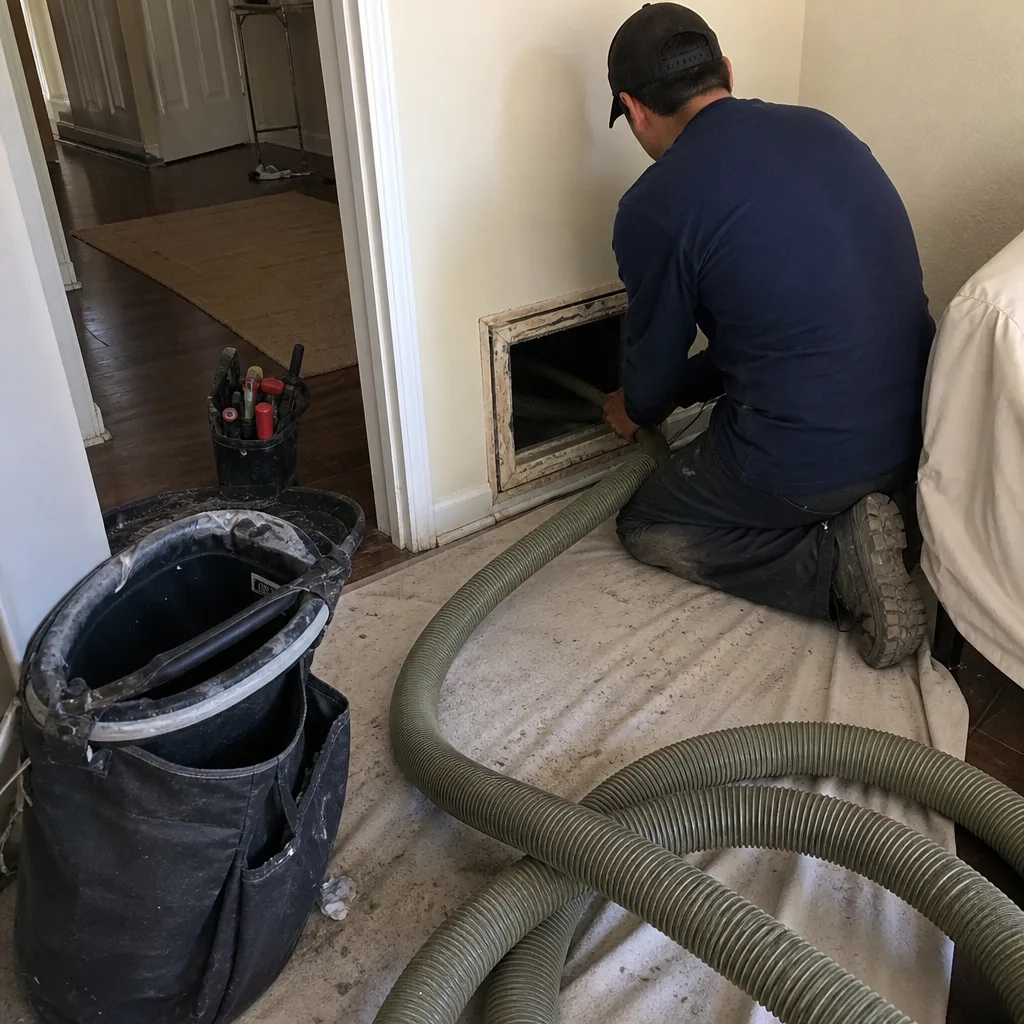 Before
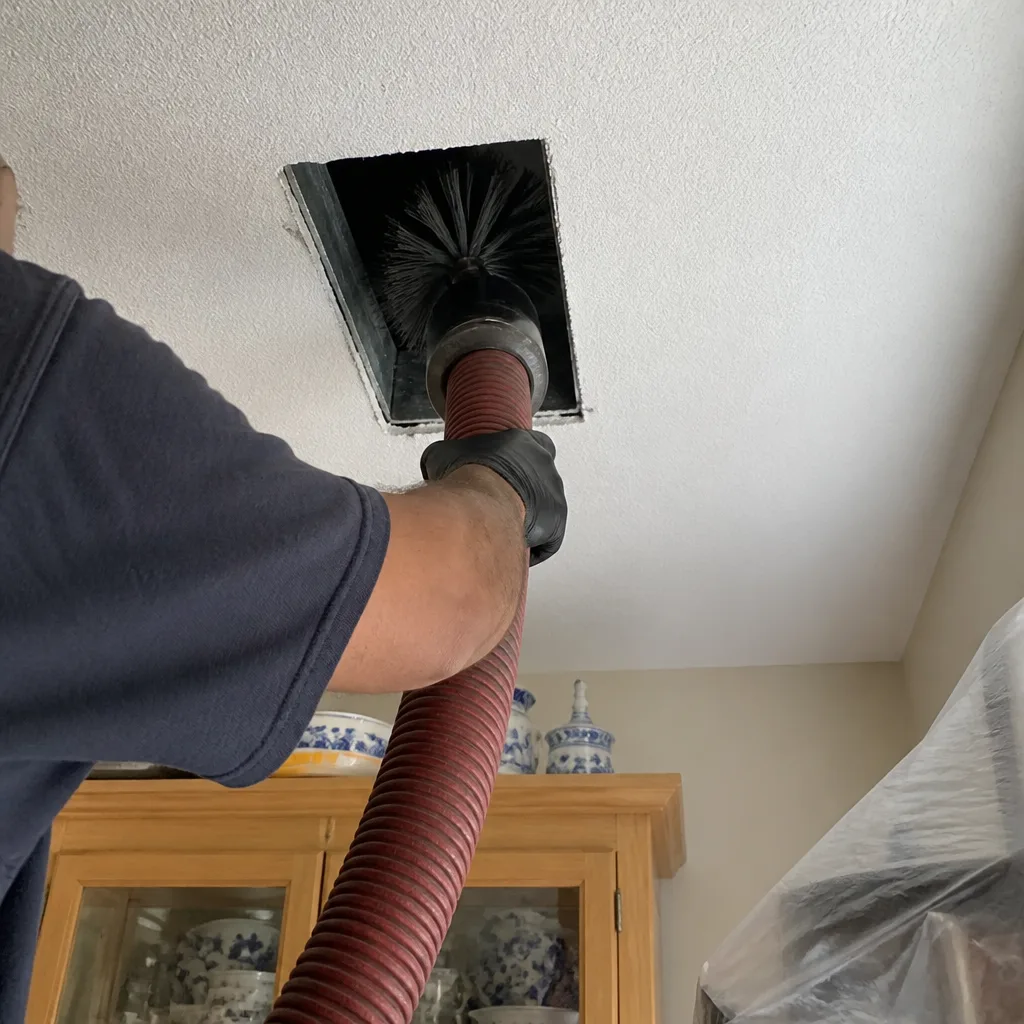 After
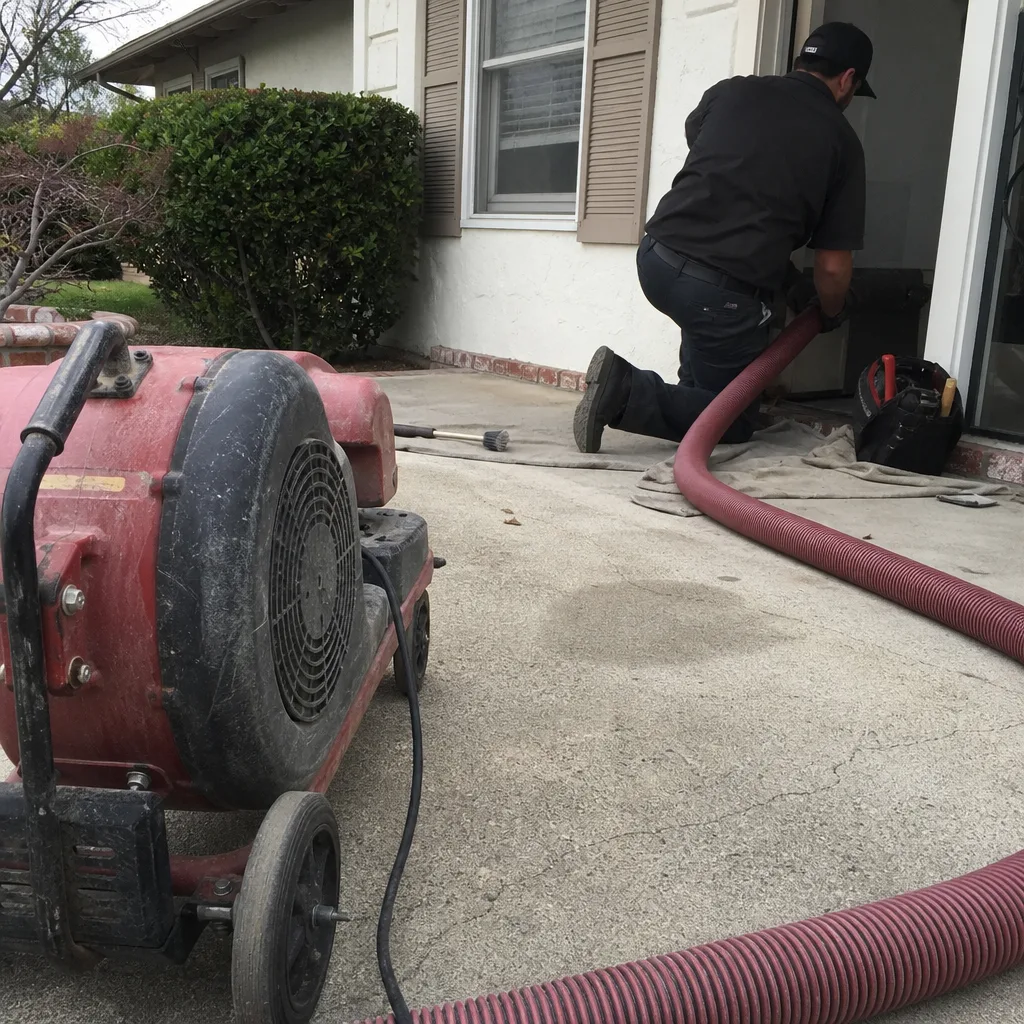 Before
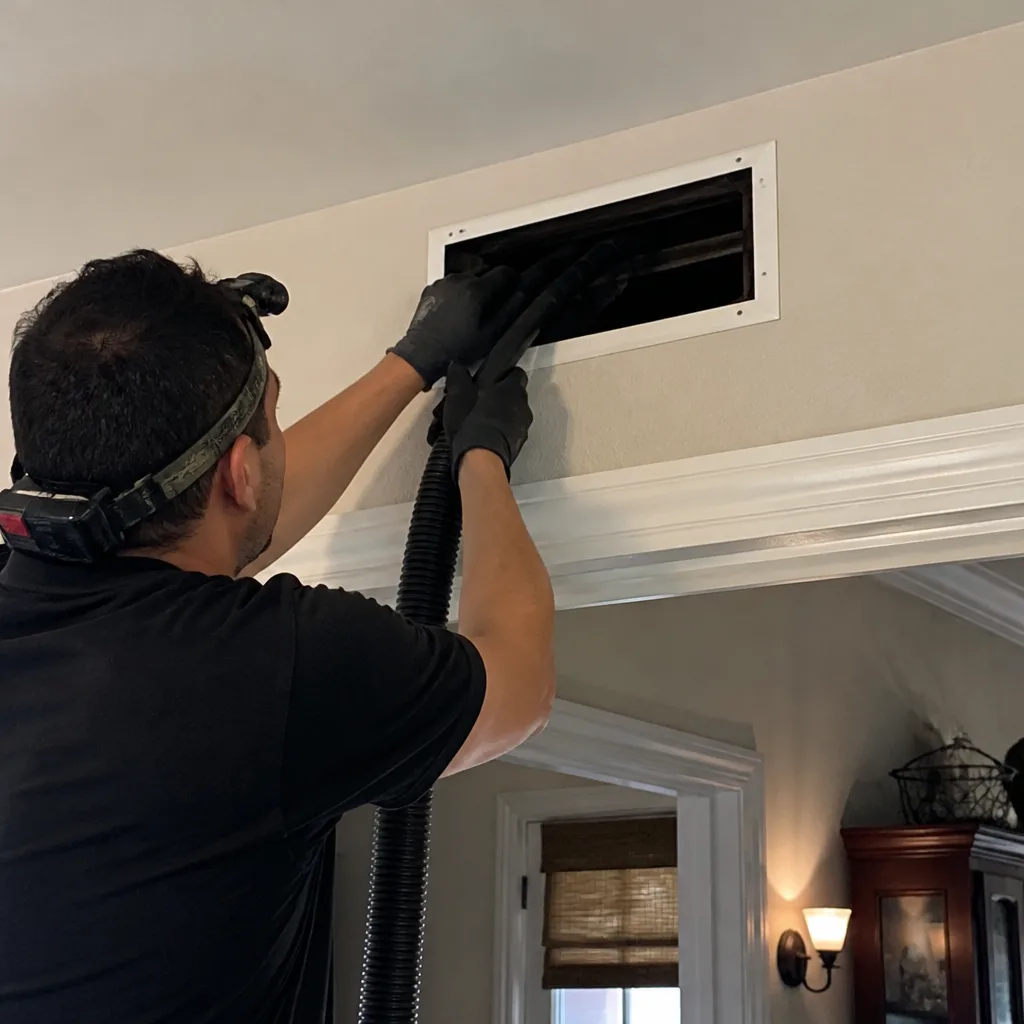 After
 Before
 After