
Last updated November 2, 2026
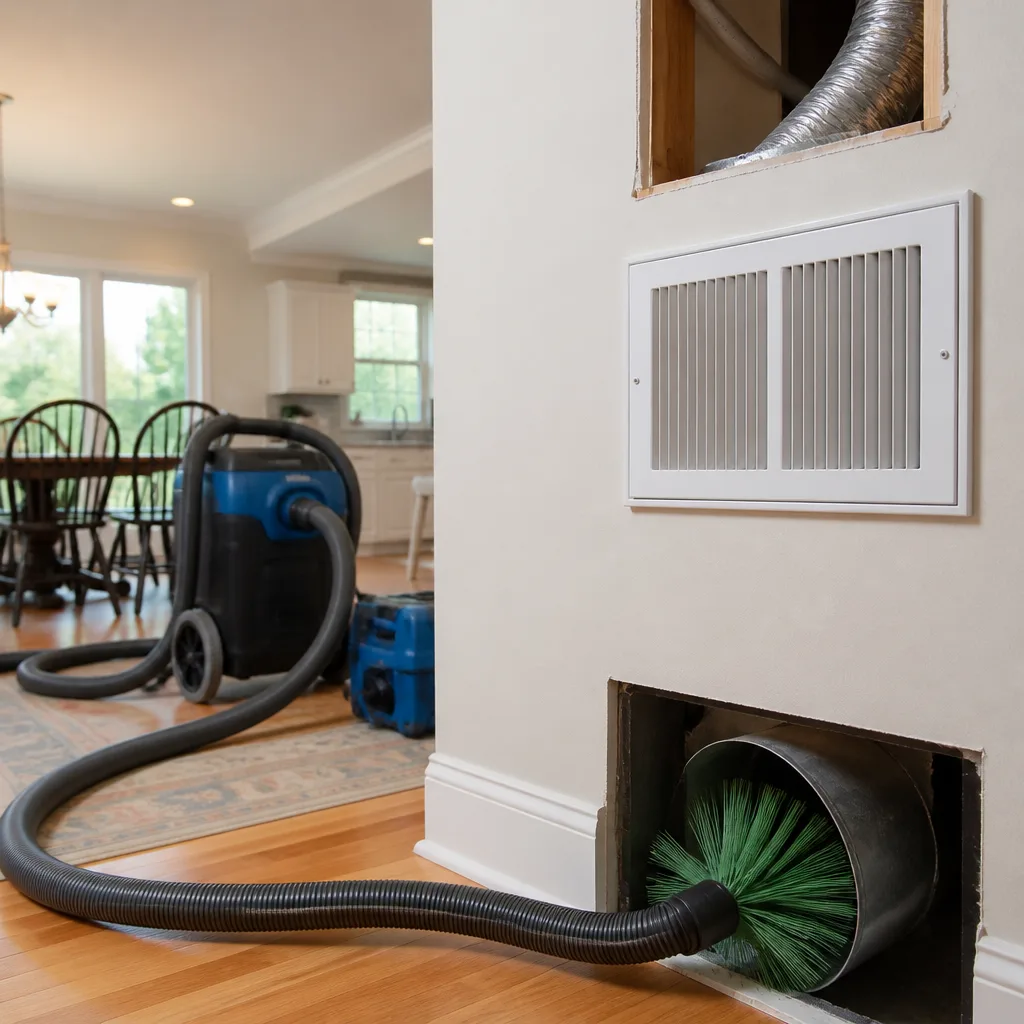 Whole-home duct cleaning
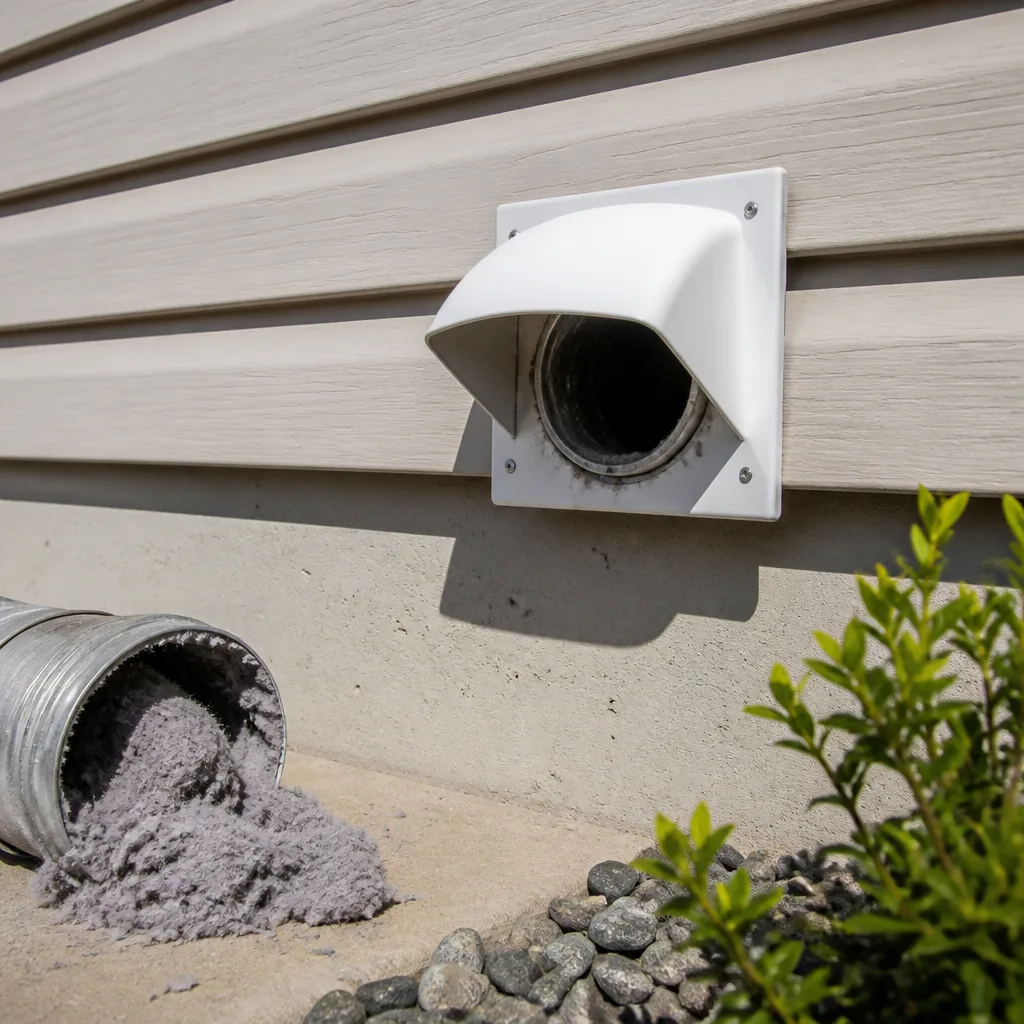 Dryer vent cleaning
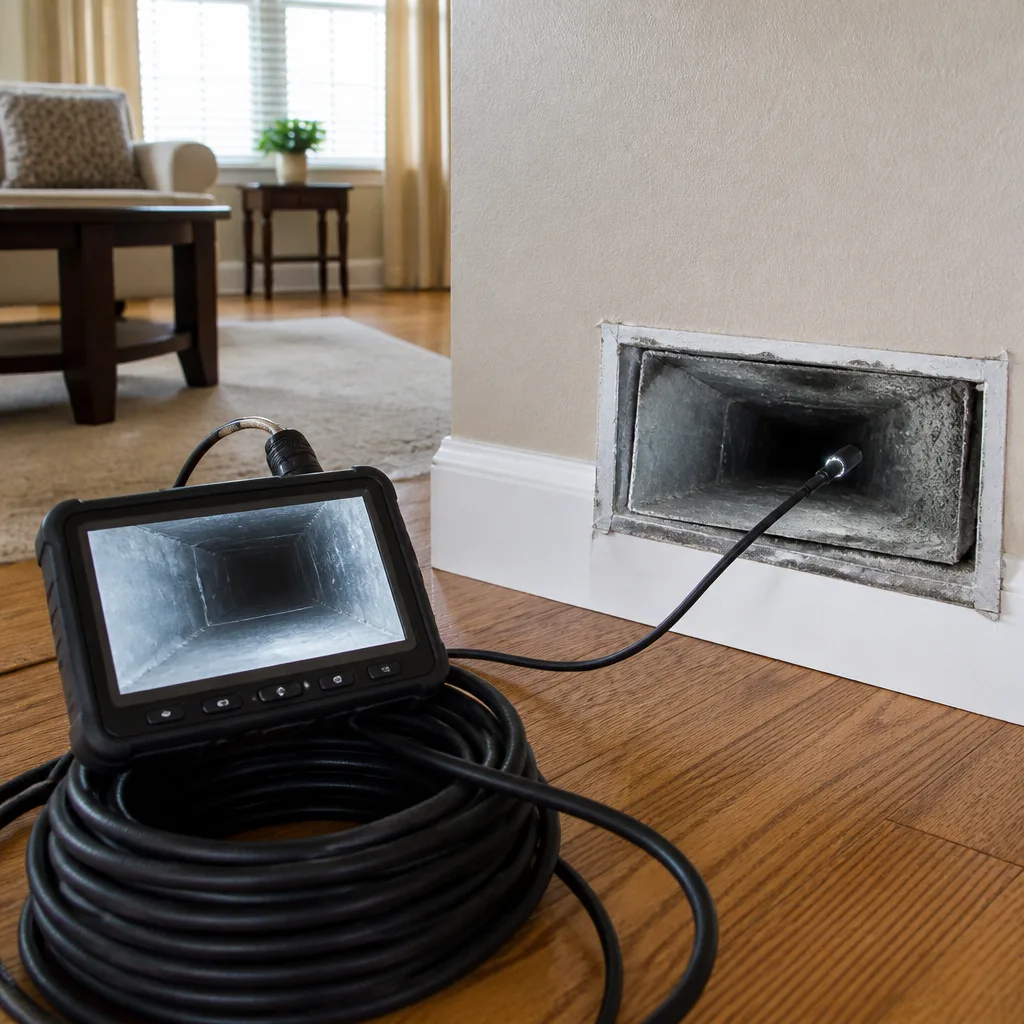 Camera inspection
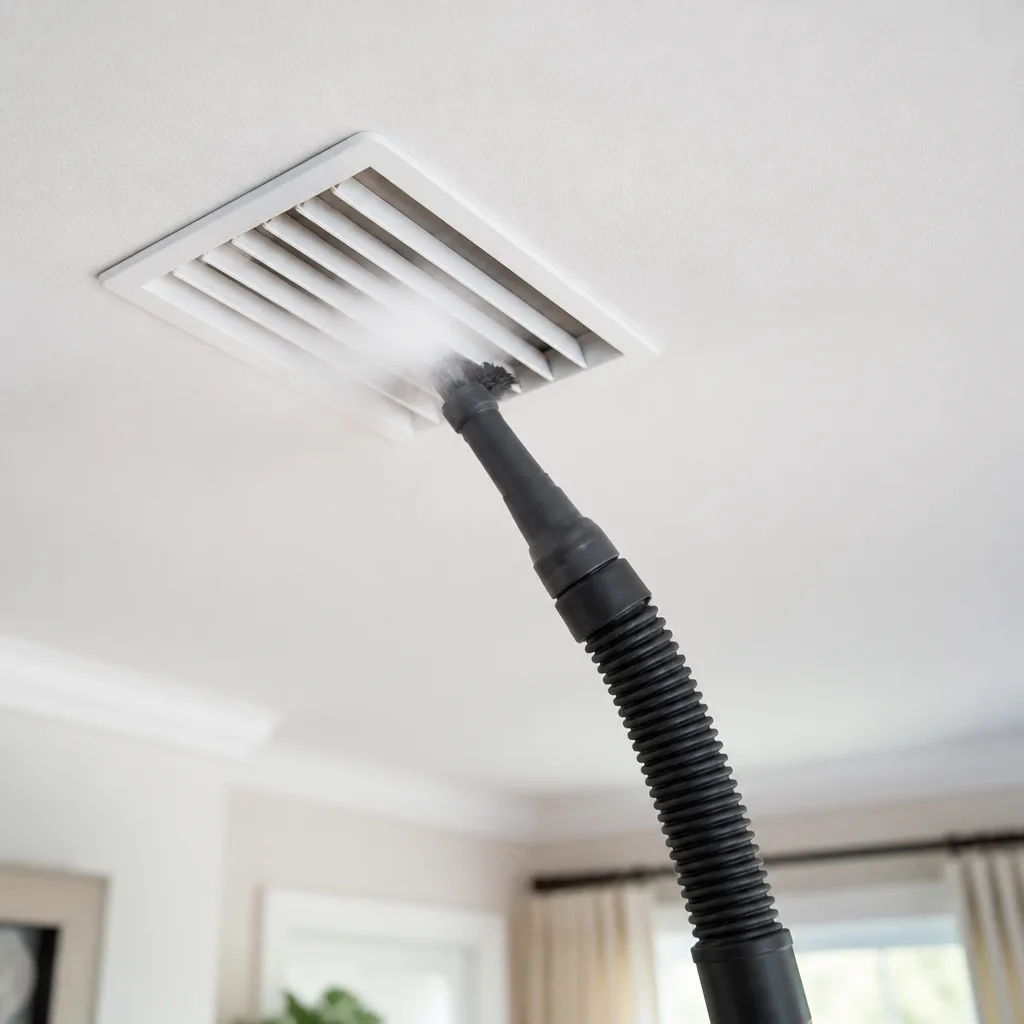 Sanitizing & deodorizing
Whole-system duct and dryer vent check with before-and-after photos - you see exactly what came out of your vents
That "$99 whole-house special" is a bait ad - the real number appears once they are in your hallway, or the "clean" is a shop-vac at the register. We photograph the inside of your ducts before and after instead.
DIY vs Professional Air Duct Cleaning: The Oak Park Homeowner’s Decision Guide
A shop vac pushed against a supply register reaches about 12 inches into the duct before the first bend stops it cold. That’s the entire DIY story in one sentence. This guide is for Oak Park homeowners standing in the hallway wondering whether a Saturday afternoon with a rented vacuum can do what professional equipment does. We’ll show you exactly what lives in your ducts, what your tools can reach, what they can’t, and when calling a pro isn’t just easier – it’s the only option that actually solves the problem.
Quick Answer
Professional air duct cleaning beats DIY for one mechanical reason: consumer tools cannot reach the bends, plenums, and return drops where contamination actually accumulates. A homeowner can clean supply registers, swap filters, and vacuum the first foot of visible ductwork. Everything beyond that requires negative-air machines, rotary agitation brushes, and HEPA filtration – equipment that costs more than a professional service call and takes years of training to use correctly. If your goal is cleaner air, not cleaner-looking register covers, professional service is the honest answer.
Styles & brands we work with
- Whole-home duct cleaning
- Dryer vent cleaning
- Camera inspection
- Sanitizing & deodorizing
Table of Contents
- What’s Actually in Your Oak Park Ducts
- What DIY Equipment Can Actually Reach
- Three DIY Tasks That Genuinely Help
- What Professional Equipment Does Differently
- When Professional Service Is Non-Negotiable
- The Real Cost Comparison: DIY vs Professional
- Common Mistakes to Avoid
- When to Call a Professional
- Frequently Asked Questions
What’s Actually in Your Oak Park Ducts
Before deciding who cleans your ducts, you need to know what you’re cleaning. In Oak Park homes, duct contamination breaks down into four categories. The first is household dust: skin cells, fabric fibers, pet dander, and tracked-in soil that your HVAC filter doesn’t catch. The second is construction debris – drywall dust, sawdust, and insulation particles that settle in ductwork during remodels, which many Oak Park homes have seen over the decades. The third is biological material: pollen from the oak trees that give this area its name, mold spores that thrive in the moisture of coastal-influenced air, and occasionally pest droppings from rodents that find duct chases convenient highways. The fourth is combustion particulate – soot and ash that infiltrates homes downwind of California wildfire events.
Here’s the part most guides skip: these materials don’t distribute evenly through your duct system. They concentrate where airflow changes direction. The return drop, the plenum above your furnace, the 90-degree elbows behind walls – these are the places where particles lose momentum and settle. A duct system in an average Oak Park ranch home runs 40 to 80 linear feet. The first 12 inches of each supply register represents less than 5% of that total surface area. The other 95% is where the problem lives.
Duct material matters too. Homes built in Oak Park’s 1960s and 70s construction boom often have rigid sheet-metal ducts with interior seams that trap debris. Newer builds may use flexible insulated ducting, which catches particles in the spiral wire reinforcement and the interior liner folds. Neither is accessible with homeowner tools beyond the first few feet. Understanding this geometry is the foundation of any honest DIY-versus-professional comparison.
What DIY Equipment Can Actually Reach
Let’s talk about the tools homeowners actually own or can rent. A shop vac with a 2.5-inch hose generates maybe 180 CFM of airflow – respectable for a garage floor, nearly useless inside a 40-foot duct run. The static pressure drop as air travels through the duct means that by the time suction reaches even 10 feet in, it’s pulling a fraction of what it does at the hose opening. A stiff-bristle brush on a flexible rod can reach 8 to 15 feet if you’re patient, but it can’t turn corners. Duct snakes and inspection cameras let you see the problem without touching it.
Here’s the mechanical reality: your supply ducts run from a central plenum, branch off at angles, elbow through walls, and terminate at registers in every room. Each branch typically runs 8 to 20 feet with at least two 90-degree bends. Your equipment can access the first straight section from the register side, and that’s it. The return side is worse – most returns drop from a ceiling or wall grille down through wall cavities, turn 90 degrees under the floor, then run horizontally to the air handler. A homeowner can reach the first 3 feet of a return drop. Everything else is physically inaccessible without cutting access holes or using professional equipment designed for the task.
Compressed air can help dislodge debris from the first few feet of a duct, but blowing air into a system without containment means whatever you loosen either falls back into the duct or gets blown into your living space when the system runs next. This is the central failure of every DIY duct cleaning video you’ll find online: the process looks active, but the material being disturbed isn’t being removed – it’s being relocated.
Three DIY Tasks That Genuinely Help
We’re not anti-DIY. There are three things an Oak Park homeowner can do this weekend that meaningfully improve indoor air quality without professional equipment. Do these, and you’ll extend the life of professional cleaning results and reduce the frequency of professional visits.
- Supply register and return grille cleaning. Remove every register cover (they lift out or unscrew), wash them in warm soapy water, and vacuum the visible duct opening behind each one with a crevice tool. This removes the dust your family actually sees every day. Do this quarterly. It takes 45 minutes in an average Oak Park home.
- Filter replacement with the correct MERV rating. Oak Park’s pollen season runs February through May, and wildfire smoke arrives unpredictably summer through fall. A MERV 8 filter catches basic dust; MERV 11 catches pollen; MERV 13 catches smoke particulate. Check your filter monthly during heavy pollen and smoke seasons, replace every 1 to 3 months, and never run a filter beyond its rated life. We work with Honeywell filtration systems regularly and the difference between a maintained filter and a neglected one is measurable in every duct inspection we do.
- Accessible debris removal at the return drop. Open your return grille and look down (or up) with a flashlight. If you see visible debris within arm’s reach, vacuum it with a shop vac using a soft brush attachment. Do not push the hose deeper than you can see. Do not force anything around corners. If debris disappears into the dark beyond your reach, that’s where professional work begins.
These tasks are genuinely useful. They keep the visible portions of your system clean, they improve airflow at the point of entry, and they help you monitor buildup over time. What they don’t do is clean your ducts. That requires equipment built for the job.
What Professional Equipment Does Differently
Professional air duct cleaning in Oak Park uses three pieces of equipment working together, and each one solves a problem consumer tools cannot. Understanding these mechanics tells you exactly what you’re paying for – and what you’re not getting with a $99 coupon-price competitor who shows up with a shop vac and a drill brush.
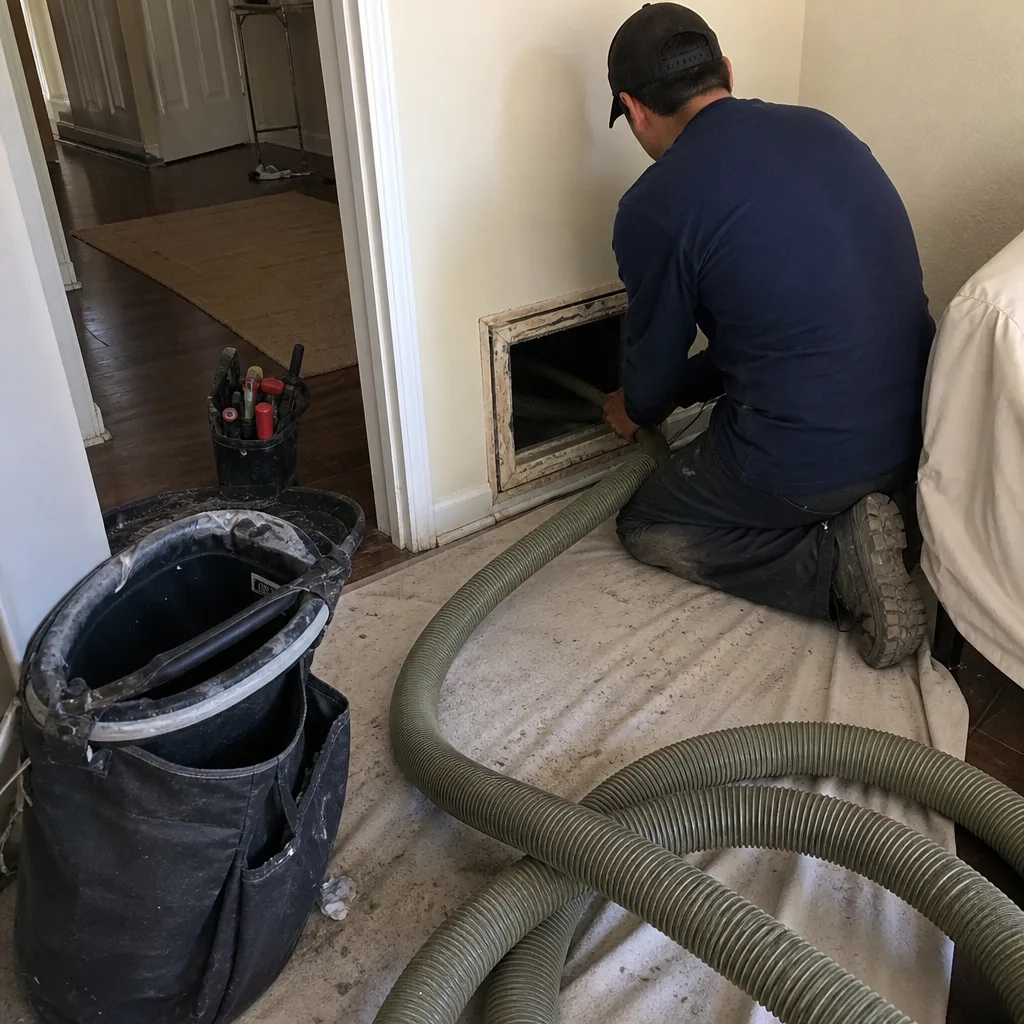
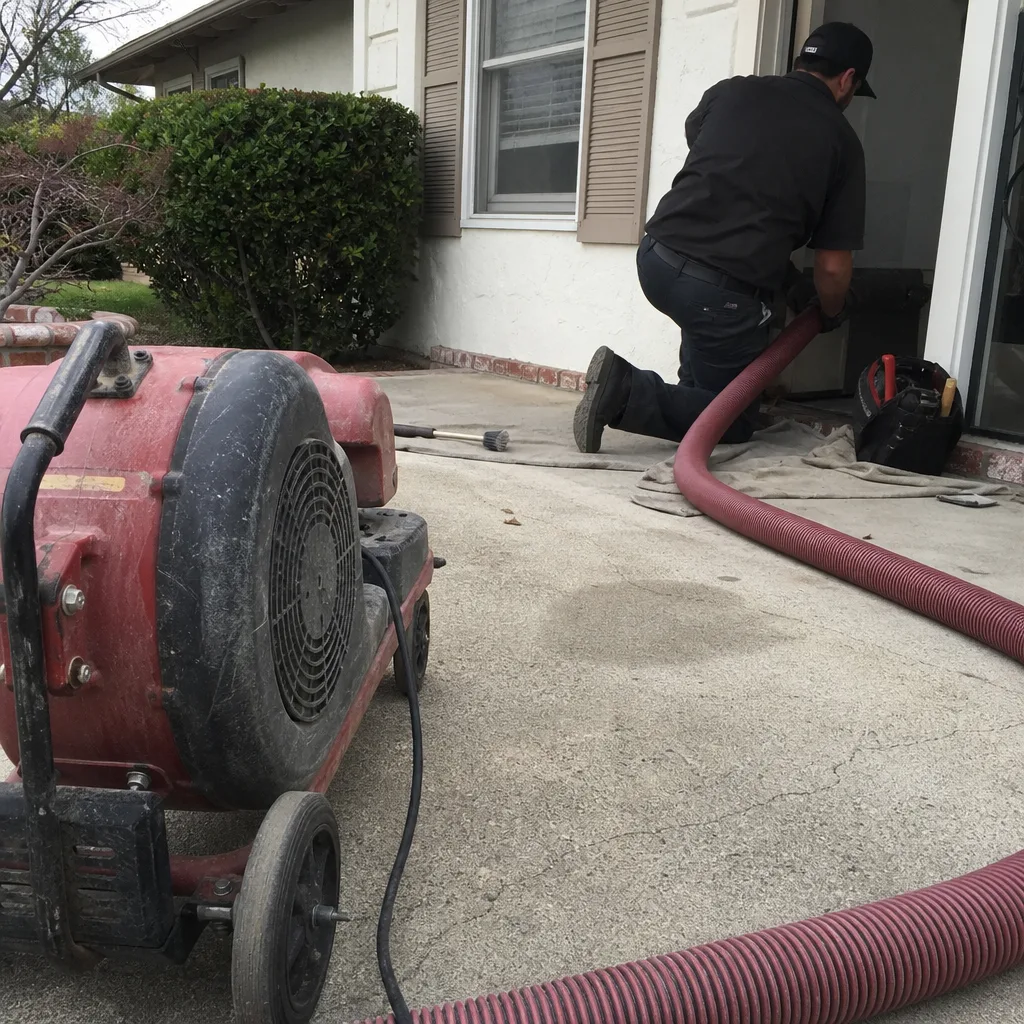
Negative air pressure contains the mess. A professional system connects a high-CFM vacuum unit (typically 2,000 to 5,000 CFM) directly to the duct system, creating negative pressure inside the ductwork. Why this matters: every particle dislodged during cleaning gets pulled toward the vacuum, not pushed into your home. Our Nikro-powered suction systems pull the entire duct run into a contained airflow path. Your living space stays clean because the duct system is sealed under vacuum during the entire process. A shop vac at a single register cannot create this environment.
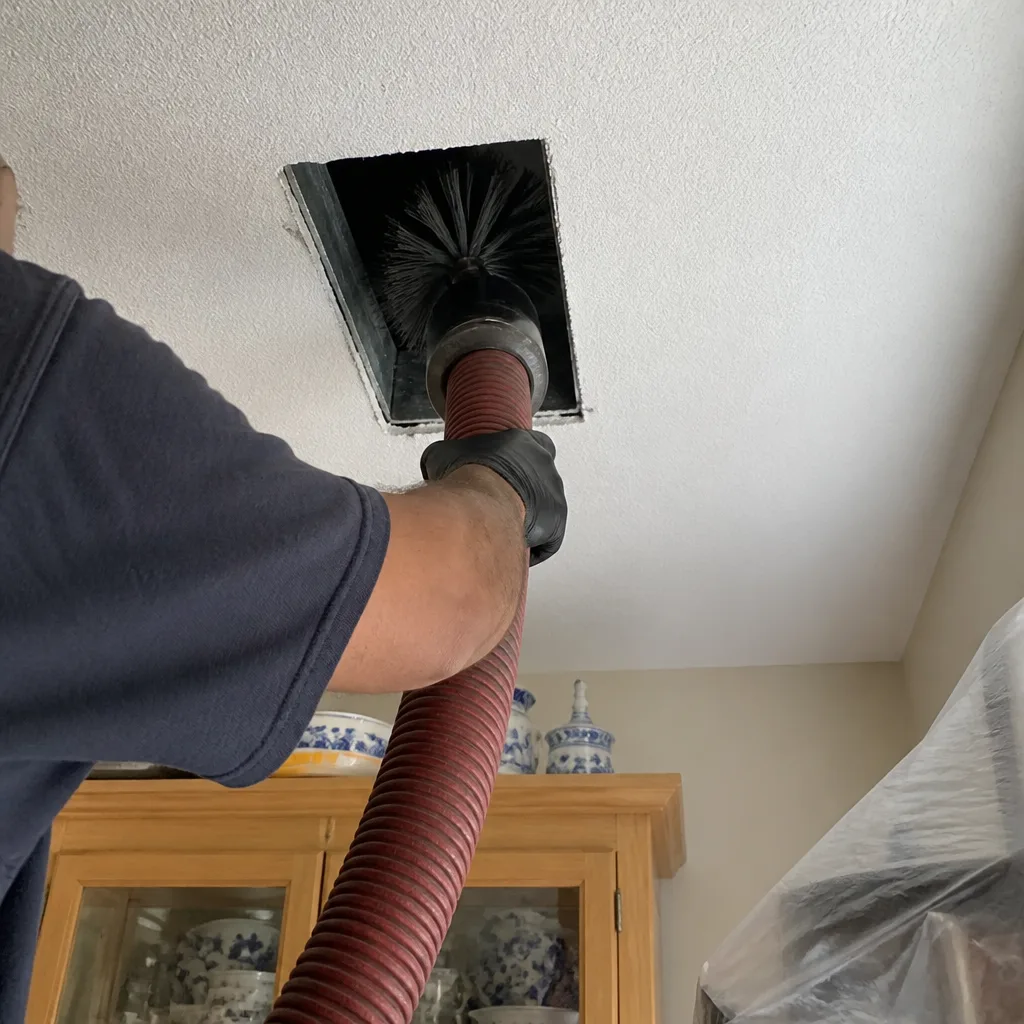
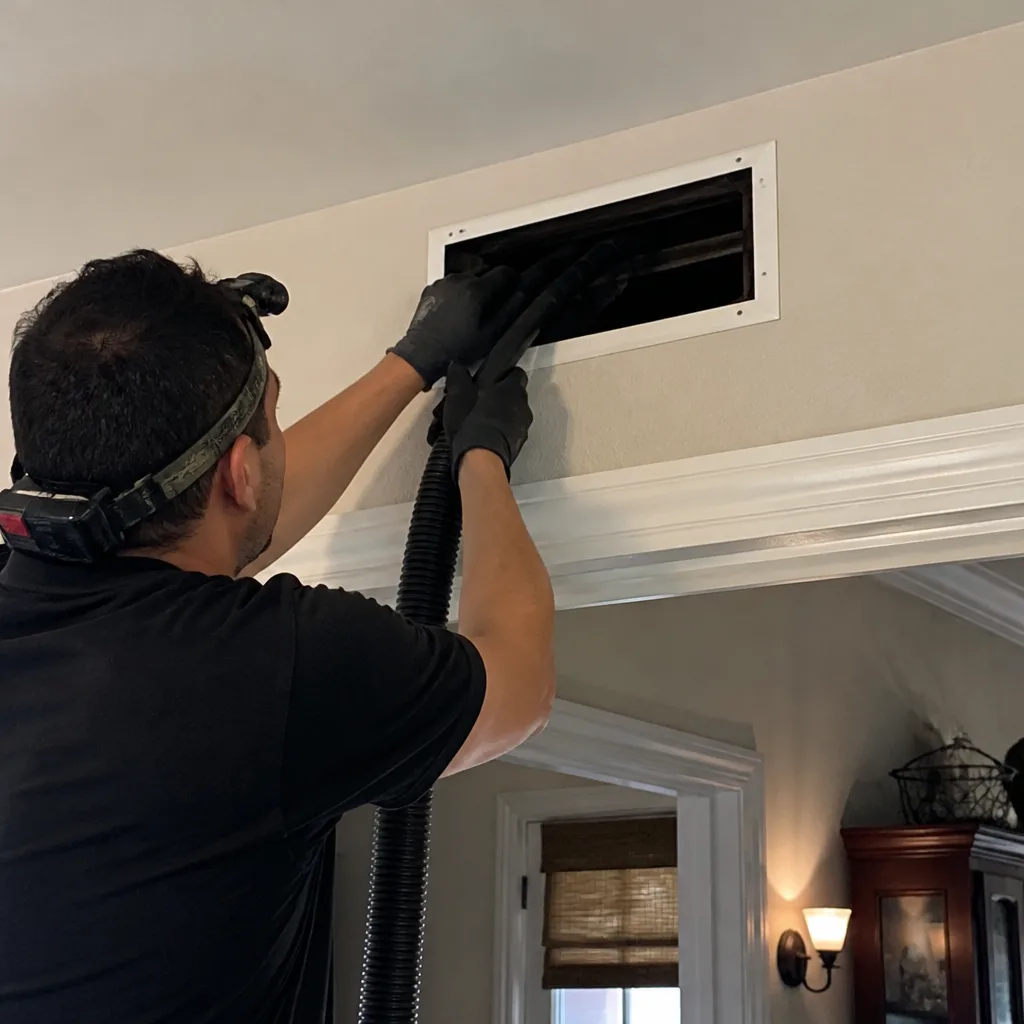
Rotary brush agitation reaches what you can’t. The Rotobrush system drives a rotating brush head through the full length of each duct run, powered by a flexible shaft that turns 90-degree corners. The brush physically scrubs the interior surfaces of the duct – something no homeowner tool can do past the first bend. Combined with negative pressure, the brush dislodges debris while the vacuum removes it simultaneously. This is the difference between dusting a surface and wiping it with a damp cloth. One removes loose particles; the other removes what’s stuck to the metal.
HEPA filtration captures what gets dislodged. Once debris is pulled from the duct system into the vacuum unit, it needs to stay there. Professional cleaning rigs route exhaust air through HEPA filters that capture 99.97% of particles down to 0.3 microns. Consumer shop vacs exhaust unfiltered air back into the room – meaning whatever fine particulate you manage to suck out of one register gets blown back into your living space through the shop vac’s exhaust port. Abatement Technologies containment equipment takes this further: we can establish negative air pressure in the work area itself, the same standard used in mold and asbestos remediation.
Your air ducts are only as clean as the equipment cleaning them. That’s not a slogan – it’s a mechanical fact. A vacuum that can’t reach the contamination isn’t cleaning; it’s making noise.
When Professional Service Is Non-Negotiable
There are four scenarios where a DIY attempt isn’t just ineffective – it’s actively the wrong call. In these situations, Oak Park homeowners should skip the hardware store entirely and call for professional service.
Post-renovation debris. If you’ve had drywall work, flooring replacement, kitchen or bath remodeling, or any construction that generated dust, that dust is now inside your duct system. Drywall dust is fine enough to pass through most filters and settle throughout the entire duct run. It also cakes onto blower motors and coils, reducing system efficiency. A post-renovation cleaning requires full-system access and professional agitation – the dust layer is uniform and embedded, not loose debris you can vacuum from an opening.
Suspected rodent or pest activity. If you’ve heard scratching in walls or ceilings, found droppings near registers, or smell something dead when the HVAC runs, you have a contamination problem that requires professional handling. Rodent droppings in ductwork are a health hazard, and cleaning them properly means containment, HEPA filtration, and often duct repair afterward to seal entry points. This is remediation work, not housekeeping.
Confirmed or suspected mold. If you see mold on register covers, on visible duct surfaces, or smell a persistent musty odor that intensifies when the system runs, do not attempt to clean it yourself. Disturbing mold releases spores into your living space. Professional assessment tells you whether you’re dealing with surface mold that can be cleaned or duct replacement that requires our Air Duct Repair service. Either way, containment is the first step.
Post-wildfire smoke infiltration. Oak Park sits far enough from wildfire-prone areas that direct structural damage is rare, but smoke travels. After major California fire events, fine soot and ash particles infiltrate homes through outside air intakes and settle in duct systems. These particles are sub-micron in size – the most difficult size for human lungs to clear and the easiest to miss with DIY methods. Professional HEPA-level cleaning is the only way to remove them from the full duct run.
The Real Cost Comparison: DIY vs Professional
Let’s put numbers on this, because cost is the reason most homeowners consider DIY in the first place. For a typical Oak Park home with 10 to 15 registers, here’s what each path actually costs in time and materials.
DIY Attempt: What You’ll Spend
- Shop vac (if you don’t already own one): $80 to $150 for a unit with enough suction to attempt the job
- Extension hoses and brush attachments: $40 to $80
- Inspection camera (to see what you’re missing): $60 to $120 for a basic endoscope that connects to your phone
- Rental duct cleaning kit from a local equipment rental: $50 to $100 per day, usually a rotary brush system
- Replacement filters for your shop vac: $20 to $40 – and standard shop vac filters do not capture fine particulate; they blow it back into the room
- Your time: 4 to 8 hours for a first attempt on a full system, including register removal, cleaning, and reassembly
Realistic DIY total: $250 to $500 in equipment and a full day of labor. Result: the first few feet of each supply run get reasonably clean. The other 90% of the system is untouched. You’ll know it, because the dust that reappears on your registers two weeks later came from somewhere.
Professional Service: What It Costs
Professional air duct cleaning in Oak Park typically runs $450 to $850 for a full system, depending on home size, number of registers, system layout complexity, and contamination level. That’s a wide range because your house is different from your neighbor’s. A single-story ranch with attic-accessible ductwork is simpler than a two-story with basement runs. Post-renovation cleanup costs more than routine cleaning because the debris is heavier and more embedded.
The difference: a professional cleaning removes debris from the full duct run, contains it, and filters it out of your home’s air entirely. The result is verifiable – you can inspect before and after photos, and the air quality difference in a home with serious buildup is noticeable within days.
Here’s the honest math. A DIY attempt costs roughly half to two-thirds of professional service in cash, and zero percent of the result. If your goal is cleaner-looking registers, DIY works. If your goal is cleaner air, you’re spending $400 to avoid spending $650 and getting nothing meaningful for the savings.
Common Mistakes to Avoid
- Using a leaf blower in your ducts. This is the worst DIY idea we see. A leaf blower produces enough airflow to dislodge debris but nowhere to direct it – so it blows debris out of every register into every room, or packs it deeper into the ductwork. We’ve seen Oak Park homes where a leaf-blower attempt turned a moderate dust problem into a full system contamination.
- Buying a cheap “duct cleaning kit” online. The $40 kits with flexible rods and brush heads snap, tangle, and leave bristles inside ductwork. If a tool isn’t built for repeated bending through 90-degree duct elbows, it will fail the first time you try to use it in a real system.
- Drilling access holes without knowing where to cut. A hole in the wrong place means patching drywall or replacing duct sections. Professional access points are cut in removable locations and sealed with proper access panels afterward. Random holes create air leaks.
- Forgetting to seal the system after working on it. If you remove duct sections or registers and reinstall them without proper sealing, you’ve just created air leaks that cost you money on every heating and cooling cycle. Duct tape (the actual fabric product, not the generic term) fails within a year. Proper sealing is part of what our Air Duct Repair in Oak Park service addresses.
- Running the HVAC system during or after DIY cleaning. Any debris you dislodge but don’t capture gets pulled into the blower, the evaporator coil, and back into circulation the moment the system kicks on. If you’ve attempted DIY cleaning, change your filter immediately and expect reduced air quality until a professional cleaning removes what you redistributed.
- Confusing duct cleaning with air quality problems caused by other factors. If your dust problem continues after professional cleaning, the issue may be leaky return ducts pulling attic or crawlspace air, inadequate filtration, or air bypassing the filter. We work with Duct Cleaning Oak Park home inspections across the area and regularly find that what looks like dirty ducts is actually a return-side leak drawing unfiltered air into the system.
When to Call a Professional
The decision framework is simple. If you can see the problem from a supply register, you can clean it. If the problem is past the first bend, in the plenum, in the return drop, or distributed through the system, professional equipment is the only solution. Specific triggers: visible dust accumulation on registers returns within weeks of cleaning; a recent renovation; rodent or pest evidence; musty odors when the system runs; post-wildfire smoke exposure; allergy symptoms that improve away from home. In any of these cases, Air Duct Cleaning in Oak Park is the appropriate next step. Duct Cleaning Oak Park offers free estimates throughout Oak Park – call (844) 620-0479 to schedule an assessment of your system.
See the difference
 Before
 After
 Before
 After
 Before
 After
Frequently Asked Questions
DIY register cleaning, filter replacement, and accessible debris removal are genuinely worthwhile and should be part of your home maintenance routine. What’s not worth it is attempting full-system duct cleaning with consumer tools – the equipment cannot access most of the ductwork, and what it does dislodge often gets blown back into your living space. For full-system cleaning, professional equipment produces a result no homeowner tool can replicate. Call (844) 620-0479 for an assessment of your Oak Park home’s duct system.
Professional air duct cleaning in Oak Park typically runs $450 to $850 for a full system, depending on home size, register count, system layout, and contamination level. Homes with accessible ductwork and light contamination fall at the lower end; post-renovation cleanup, pest contamination, or complex multi-story systems fall higher. Anyone quoting $99 for a full-system cleaning is either not cleaning your ducts or planning to upsell you substantially on arrival. Call (844) 620-0479 for an honest quote – estimates are free.
Low-price duct cleaning quotes come from companies using shop-vac-level equipment that cannot clean a full duct system, or companies that quote a teaser price and find “additional problems” once they’re in your home. The equipment difference matters: professional Rotobrush and Nikro-powered systems cost tens of thousands of dollars, and companies that invest in them charge accordingly. If a quote seems too cheap, ask what equipment they use and whether they provide before-and-after photos of every duct run.
Request before-and-after photos of the inside of your ducts, including the plenum and the return drop – not just register openings. A legitimate professional cleaning includes visual documentation of every major duct section. You can also inspect accessible duct openings yourself afterward: interior surfaces should be visibly clean metal, not dust-coated. If you notice settled dust re-appearing on registers within weeks, the system wasn’t fully cleaned, or you have a return-side air leak pulling unfiltered air into the system.
Most Oak Park homes benefit from professional duct cleaning every 3 to 5 years, with adjustments for specific factors. Homes with pets, residents with allergies, recent renovations, or exposure to wildfire smoke may need service every 2 to 3 years. Homes with excellent filtration, no pets, and minimal outdoor air infiltration can go longer. If you’ve never had your ducts cleaned and the home is over 10 years old, start with an inspection. Oak Park’s oak pollen and periodic wildfire smoke both increase particulate load beyond what many national guides assume.
No – dryer vent cleaning is a separate service targeting the dedicated exhaust duct that runs from your dryer to the exterior of your home. This vent carries lint, which is highly flammable, and clogged dryer vents are a leading cause of residential house fires. Dryer Vent Cleaning in Oak Park deserves its own maintenance schedule (typically annually for homes that dry 3+ loads per week), independent of your HVAC duct cleaning schedule. We offer both as separate services because they serve different systems with different contamination types.
The Bottom Line
The DIY versus professional duct cleaning question isn’t about effort or willingness – it’s about mechanical access. Consumer tools reach the first foot of each duct run; contamination concentrates at the bends, plenum, and return drops that those tools can’t touch. Three DIY tasks genuinely matter: register cleaning, filter replacement, and visible debris removal. Everything else requires professional negative-air equipment, rotary agitation, and HEPA filtration working together. For most Oak Park homes, professional Air Duct Cleaning is the only option that actually cleans the air you breathe, not just the metal you can see. Call (844) 620-0479 for a free estimate and an honest assessment of your system.
Written by the team at Duct Cleaning Oak Park, serving Oak Park since 2017.