Last updated November 2, 2026
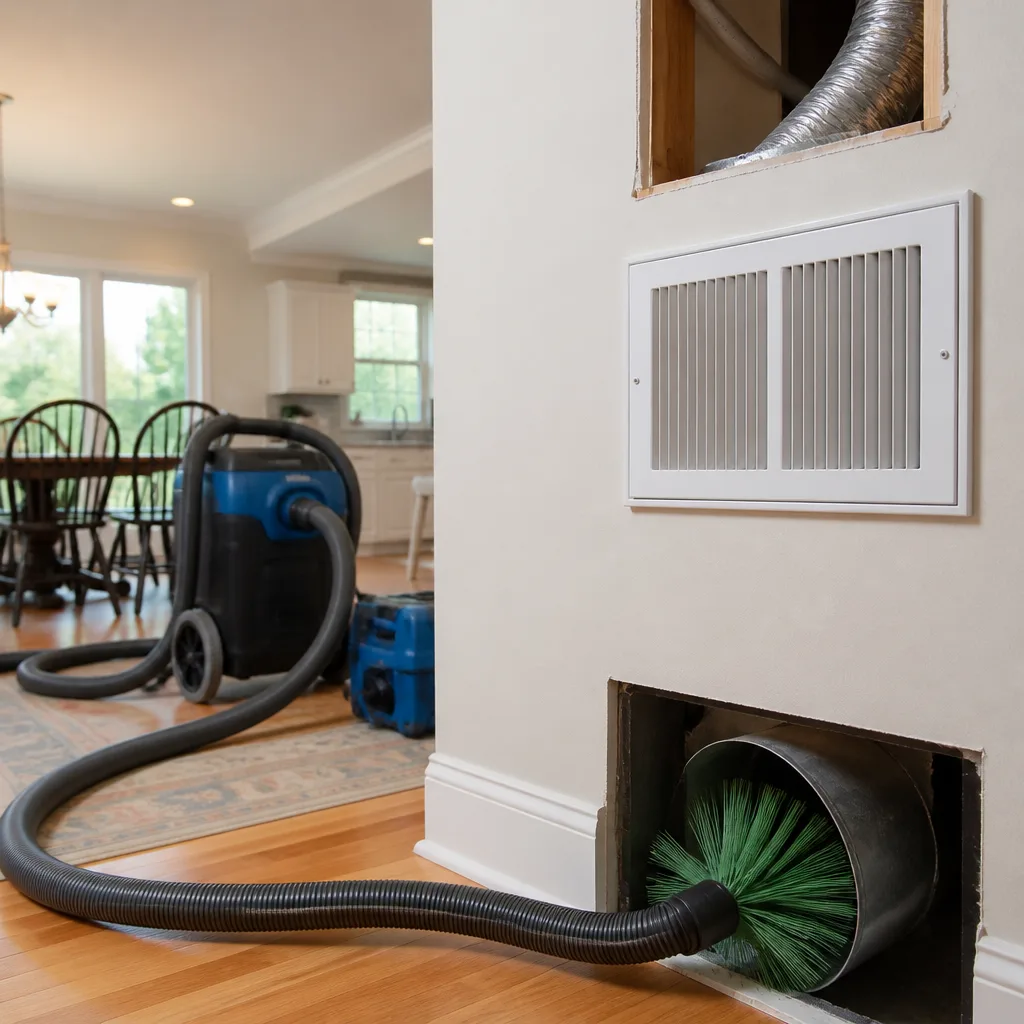 Whole-home duct cleaning
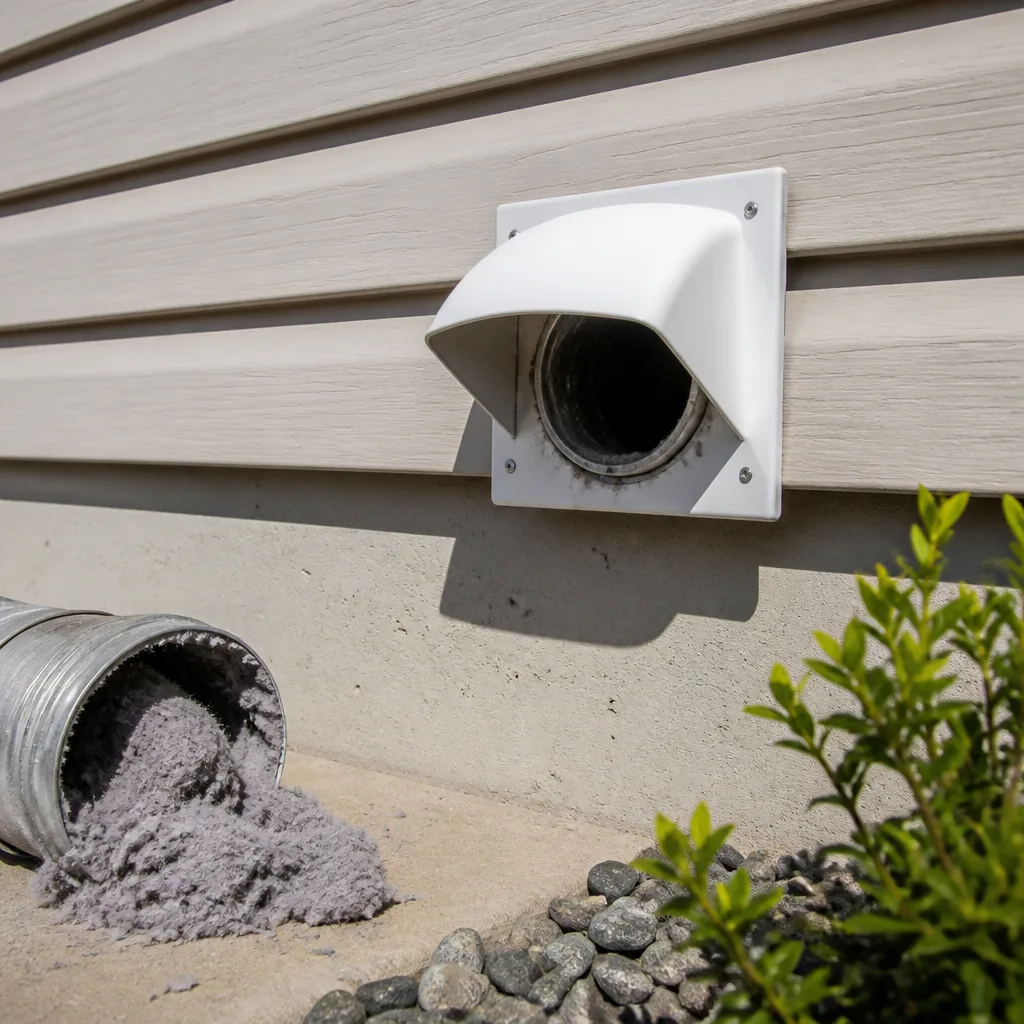 Dryer vent cleaning
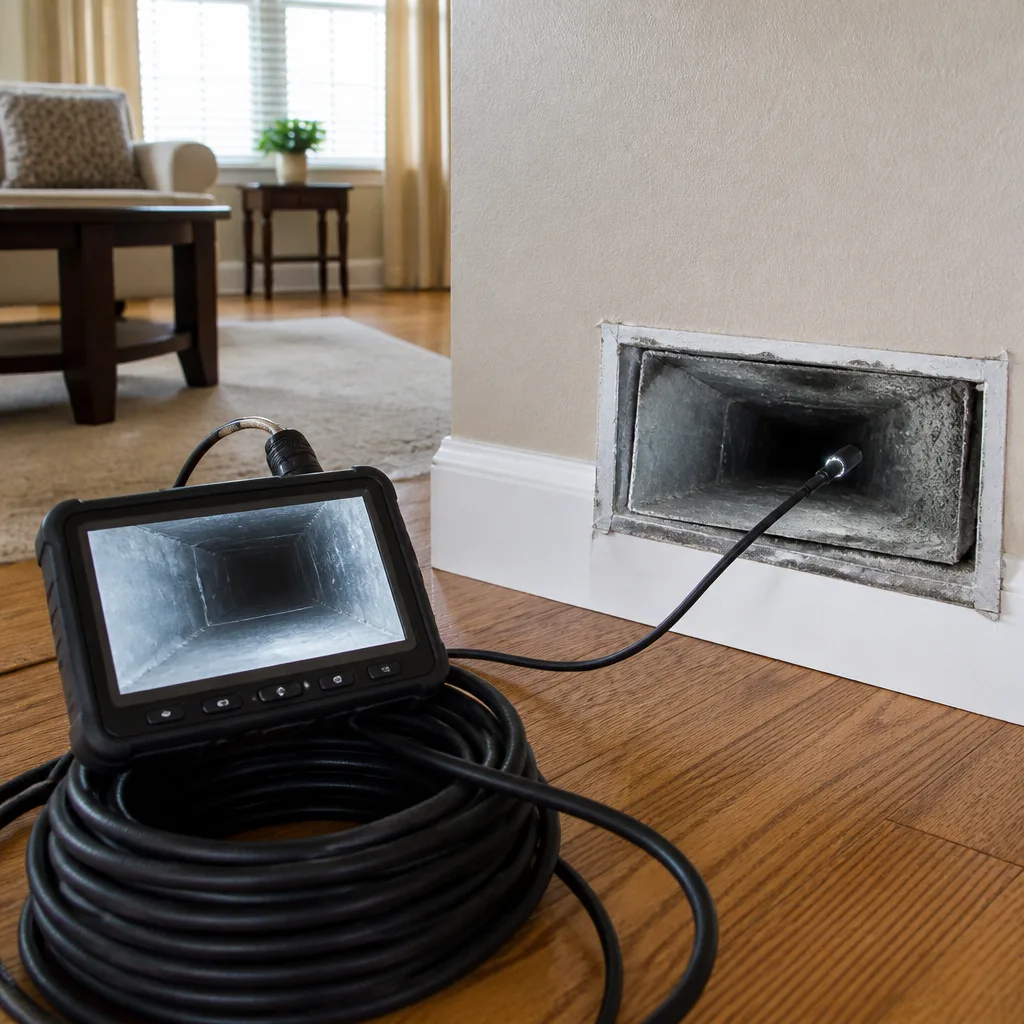 Camera inspection
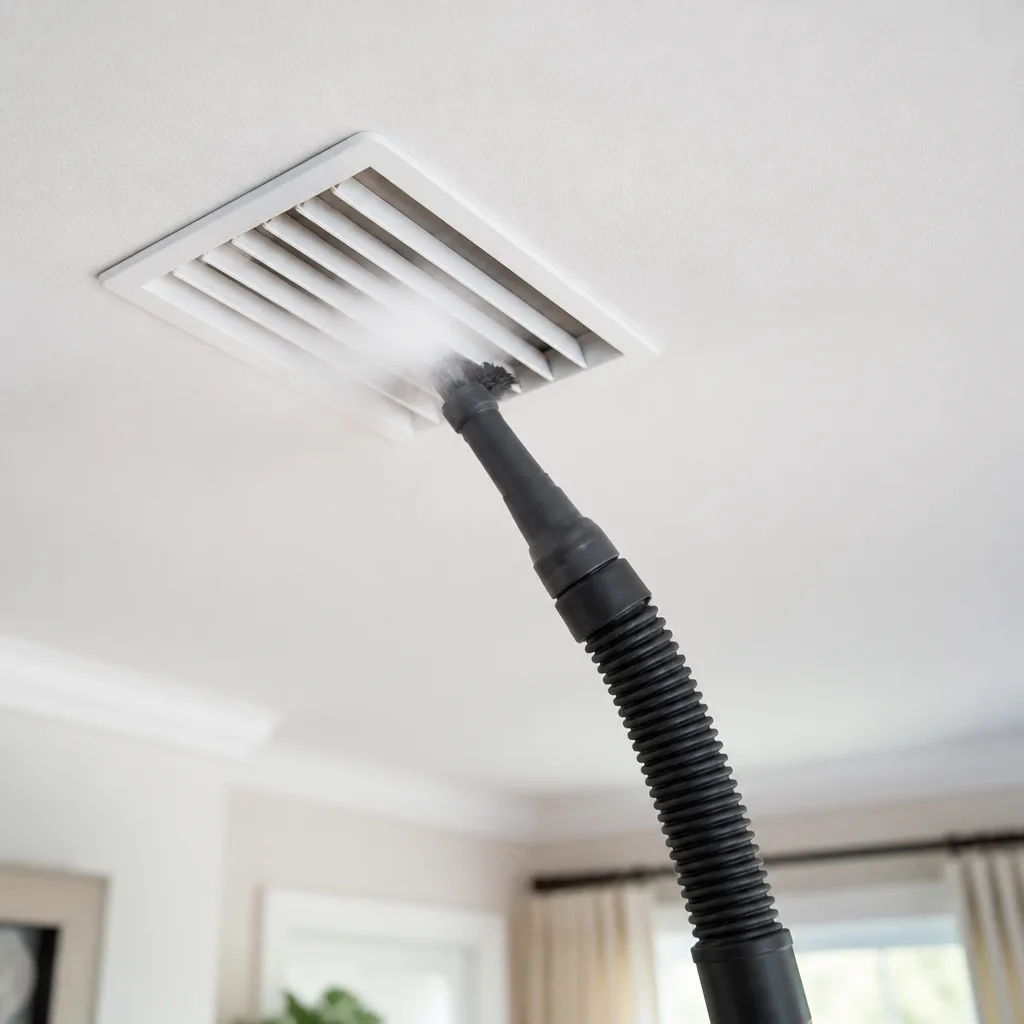 Sanitizing & deodorizing
Whole-system duct and dryer vent check with before-and-after photos - you see exactly what came out of your vents
That "$99 whole-house special" is a bait ad - the real number appears once they are in your hallway, or the "clean" is a shop-vac at the register. We photograph the inside of your ducts before and after instead.
How to Hire an Air Duct Cleaning Contractor in Oak Park: A Step-by-Step Guide
There is no California state license specifically for duct cleaning. That means the guy who serviced your neighbor’s ducts last month could have started his business last week. A rented cargo van, a shop vac from Home Depot, and a stack of door hangers is all the barrier to entry requires. That’s the uncomfortable reality for Oak Park homeowners. This guide walks through exactly how to vet a contractor for Air Duct Cleaning, what questions to ask, what equipment to look for, and how to spot the red flags before someone’s in your home poking at your ductwork.
Styles & brands we work with
- Whole-home duct cleaning
- Dryer vent cleaning
- Camera inspection
- Sanitizing & deodorizing
Quick Answer
Hiring a duct cleaning contractor in Oak Park comes down to three things: verify the equipment is professional-grade (HEPA-filtered negative air machines, rotary brush systems, not shop vacs), confirm the scope of work is written and specific (vent count, equipment used, containment method), and check for independent credentials like NADCA membership. A legitimate contractor will answer technical questions about negative air pressure and show you their equipment. Call (844) 620-0479 for a free estimate from a specialist who runs Rotobrush and Nikro systems.
Table of Contents
- Why Hiring a Duct Cleaner in Oak Park Is Harder Than It Should Be
- The Five Technical Questions to Ask Any Contractor
- The Equipment a Legitimate Professional Should Be Able to Name
- How to Verify NADCA Membership and What It Actually Means
- Red Flags Specific to the Oak Park Market
- What a Written Scope of Work Must Include
- How to Compare Bids on Equal Terms
- Common Mistakes to Avoid
- When to Call a Professional
- Frequently Asked Questions
- The Bottom Line
Why Hiring a Duct Cleaner in Oak Park Is Harder Than It Should Be
Most trades have a gatekeeper. Electricians need a C-10 license in California. Plumbers carry a C-36. Roofers hold a C-39. Duct cleaning has no such requirement. The Contractors State License Board doesn’t issue a duct cleaning classification, which means anyone with a business license and a vacuum can market themselves as a professional air duct cleaning service in Oak Park.
We’ve been cleaning ducts in this area since 2017, and we’ve walked into homes after previous companies did work that ranged from barely adequate to genuinely harmful. We’ve seen ducts where a previous contractor only cleaned the supply side and skipped the returns entirely. We’ve seen register covers put back on with visible dust still coating the grille. We’ve seen dryer vents that were “cleaned” from the outside only, leaving the interior section packed with lint.
This isn’t just about a service that didn’t work. Poor duct cleaning can make air quality worse. Agitating dust without proper containment kicks particulates into your living space. Running a brush through without negative air pressure means debris loosens and settles deeper in the system. A low-bid cleaning in Oak Park can leave your home dustier than before the crew arrived.
The responsibility falls on the homeowner to ask the right questions. That’s what this guide is for. If you’re exploring professional Air Duct Cleaning in Oak Park, the vetting process matters more than the quote.
The Five Technical Questions to Ask Any Contractor
Most homeowners ask about price and availability. Those are the wrong questions to lead with. Price matters, but it should come after you’ve established the contractor actually knows what they’re doing. Here are the five questions that separate equipment-serious operators from opportunists.
1. What negative air pressure do you run, and how do you verify it?
This is the question that gets the most revealing answers. A professional duct cleaning system operates under negative pressure, meaning air is pulled through the ducts rather than pushed, keeping dislodged debris contained. The equipment typically runs between 2,000 and 4,000 CFM of airflow, depending on the system. A contractor should be able to name their equipment’s specifications and explain how they monitor pressure during the job. If they hesitate, or if they describe a system that doesn’t sound like it generates meaningful airflow, that’s a sign the equipment is undersized. Our team uses Nikro-powered suction systems specifically for negative-pressure duct cleaning.
2. What equipment do you use, and can I see it?
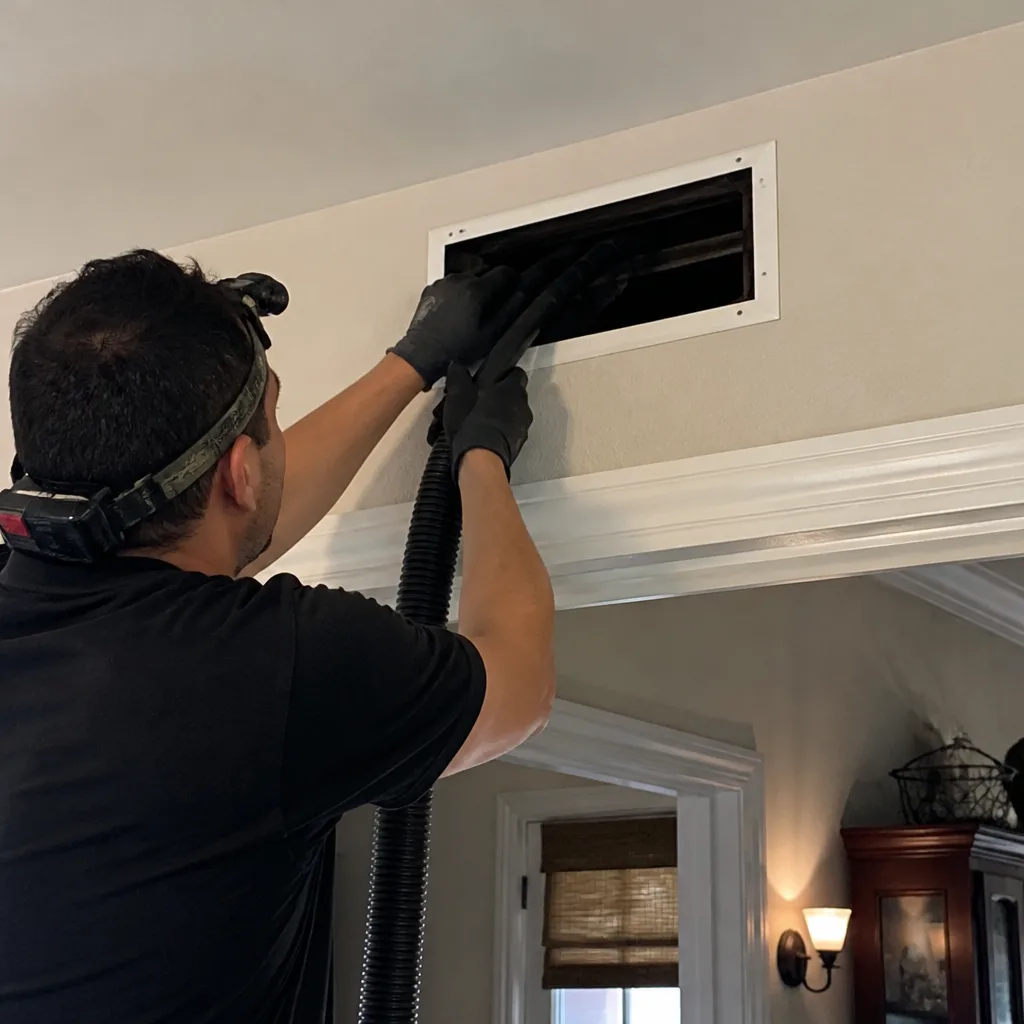
Any contractor should be able to name their equipment without looking at a script. We run Rotobrush rotary-brush cleaning systems paired with HEPA-filtered vacuums. The brush agitates debris from duct walls while the vacuum captures it. Ask what specific system they use. If the answer is “a really powerful vacuum,” that’s not a professional duct cleaning setup. That’s a shop vac with a long hose. A legitimate contractor will name brands and describe the process. A contractor who shows up with professional equipment won’t be shy about letting you see it.
3. Do you clean both supply and return sides?
This sounds basic, but you’d be surprised how many contractors skip half the system. The supply side pushes conditioned air into rooms. The return side pulls air back to the HVAC unit. Both accumulate dust, and both need cleaning. A contractor who quotes by “vent” should specify whether that count includes returns. We’ve seen quotes in Oak Park that only covered supply registers, leaving the return side untouched. Ask directly.
4. What containment method do you use while cleaning?
A professional job uses containment to keep dislodged particles from spreading through the house. Abatement Technologies makes containment and air-scrubbing equipment that creates a negative pressure environment inside the ducts while work is happening. That’s remediation-level care applied to routine cleaning. Ask the contractor how they handle containment. If the answer is vague or mentions nothing beyond opening a window, consider that a warning sign.
5. How do you handle the furnace or air handler?
Proper duct cleaning includes cleaning the blower compartment, the evaporator coil, and the plenum. Some contractors skip these components because they’re harder to access. Ask whether those are included in the scope. If the answer is no or if they hedge, you’re not comparing equal bids against a contractor who includes them.
The Equipment a Legitimate Professional Should Be Able to Name
Here’s a simple framework. Professional duct cleaning equipment falls into three categories. If a contractor can’t describe all three, they don’t have all three.
- Negative air machine with HEPA filtration: This is the foundational piece. It creates the vacuum that pulls loosened debris out of the ductwork instead of letting it drift through the house. Look for HEPA filtration rated at 99.97% at 0.3 microns. Nikro is a major manufacturer of these systems.
- Rotary brush system: A motorized brush that spins against the duct walls, dislodging caked-on dust and debris. Rotobrush is the best-known brand in this category. The brush reaches into the duct while the negative air machine captures what it knocks loose.
- Contact vacuum heads and air tools: Specialized tools for cleaning registers, grilles, and hard-to-reach sections. These aren’t the attachments that come with a household vacuum. They’re purpose-built for duct dimensions.
Ask the contractor to name their equipment by brand. A company running Rotobrush and Nikro equipment made a real capital investment. That’s not a fly-by-night operation. It tells you they’re serious about the work. It also means they have a reason to do the job properly. Equipment that costs tens of thousands of dollars only pays for itself if the operator knows how to use it well enough that customers refer them.
We also work with Abatement Technologies containment and air-scrubbing equipment during service. Most competitors in the Oak Park market don’t invest at that level, because this equipment carries a price tag that’s hard to justify unless you do this work full-time and take it seriously.
How to Verify NADCA Membership and What It Actually Means
NADCA is the National Air Duct Cleaners Association. It’s the closest thing the industry has to a professional standard. NADCA publishes the ACR Standard, which outlines proper cleaning procedures. Membership means a company pays annual dues and agrees to follow those standards.
Verification is straightforward. NADCA maintains a public directory on their website. You can search by company name or location to confirm current membership status. Some contractors claim NADCA alignment without actually being members. It takes two minutes to check.
Here’s what NADCA membership does and doesn’t mean:
- What it means: The company has committed to a published standard, has access to ongoing training, and can be reported to NADCA if they violate the standard.
- What it doesn’t mean: NADCA doesn’t inspect every job. It doesn’t test every technician. Membership isn’t a guarantee of quality work on your specific job.
Think of NADCA membership as a baseline filter, not a seal of approval. It tells you the contractor knows the standard exists. What actually happens in your home still depends on equipment, process, and the person doing the work. Combine NADCA verification with the technical questions above. A contractor who passes both filters is worth shortlisting. A contractor who passes neither should be crossed off.
Red Flags Specific to the Oak Park Market
Every market has its own flavor of low-quality competition. Oak Park has a few patterns we see repeatedly.
The $49 whole-house door hanger. Someone walks neighborhoods dropping flyers promising a full duct cleaning for what a legitimate company charges just for a service call. The economics don’t work. No one running professional equipment can clean ducts for $49 and make money. What happens on the job is a five-minute blast with a shop vac followed by aggressive upsells. The $49 is bait. The real invoice lands after the crew is in your home.
The sanitizer fogging pitch before the assessment. Be wary of any contractor who pushes sanitizing or fogging before they’ve even looked at your ducts. Sanitizer isn’t a substitute for cleaning. It’s an add-on that sometimes has legitimate use, but pushing it before the scope is assessed is a red flag. The contractor is selling chemicals, not cleaning.
The unmarked van with no local presence. Oak Park is a small enough community that legitimate local trades businesses build reputations here. A contractor with no local references, no local address, and a van that never seems to appear in town more than once may be running a campaign-based model that moves from ZIP code to ZIP code. You want a company that has reason to protect its reputation in your area.
The “we also do everything” contractor. Someone who cleans ducts, installs flooring, paints houses, and details cars isn’t a duct specialist. They’re a generalist with a van. A focused company does a few things well. We focus on three things: Duct Cleaning Oak Park home, dryer vent cleaning, and air duct repair.
What a Written Scope of Work Must Include
A verbal quote is worthless for comparison. You need a written scope of work that specifies exactly what’s included. Without it, you can’t compare bids, and you have no protection if the contractor skips half the job.
Here’s what a proper scope of work should contain:
- Total number of supply and return vents being cleaned. Not an estimate. A specific count based on your home’s actual configuration. If the contractor doesn’t walk through your house and count registers, the number is invented.
- Equipment being used. The make and model of the vacuum system, the brush system, and any containment equipment. If the scope just says “professional equipment,” ask for specifics and get them added.
- Containment method. How the contractor will protect your home from cross-contamination during the cleaning. This should describe negative pressure setup and any floor protection used.
- Components included. Does the scope include the furnace blower compartment, evaporator coil, and plenum? Are dryer vents included? These are commonly omitted to keep prices down.
- Total price, clearly stated. One flat price for the entire scope. Not a per-vent price that multiplies after the crew arrives. Not a “starting at” price. A complete price for a complete scope.
- Time estimate. A legitimate professional cleaning of a typical Oak Park home takes several hours. A crew that’s in and out in 45 minutes hasn’t cleaned anything thoroughly.
Read the scope carefully before you sign. If anything is missing, ask for it in writing. A contractor who won’t commit specifics to paper isn’t someone you want working in your home. For more on what proper duct care involves, see our guide on Air Duct Repair in Oak Park.
How to Compare Bids on Equal Terms
You’ve gathered three quotes. Now you have to compare them. The mistake most homeowners make is comparing the total dollar amount and stopping there. A $350 quote and a $700 quote might both be legitimate, or one might be dramatically incomplete.
Start with scope. Does each quote include the same number of vents? If one contractor quoted 8 vents and another quoted 14, they looked at different things. Figure out what the actual count is before comparing anything else.
Then compare equipment. A quote from a contractor running HEPA-filtered negative air machines and a rotary brush system will cost more than a quote from someone with a truck-mounted vacuum that exhausts unfiltered air. The equipment difference is the main driver of price difference. You’re paying for better containment, better agitation, and better filtration.
Look at what’s included. Does one bid include the furnace blower and coil? Does another exclude them? Adding those components back in often closes most of the price gap between a cheap quote and a professional one.
Finally, consider the repair angle. Some duct issues are discovered during cleaning. Disconnected sections, crushed returns, and gaping joints can’t be cleaned properly until fixed. A company that offers Dryer Vent Cleaning in Oak Park as well as duct repair can address what they find, rather than cleaning around it and leaving the problem in place. We don’t just clean. We repair. When problems surface during cleaning, we can fix them on the spot.
Common Mistakes to Avoid
- Choosing purely on price. The lowest bid in Oak Park usually means the smallest scope, the weakest equipment, or both. You’re not hiring a commodity service. You’re hiring a contractor who’s about to work inside the air delivery system of your home.
- Not asking about equipment. If you don’t ask, you’ll never know whether the contractor owns real duct cleaning equipment or rented a Rug Doctor with a long hose. The question takes ten seconds to ask.
- Falling for the sanitizer pitch before the cleaning is assessed. Some contractors lead with fogging and sanitizing because those services carry high margins. Cleaning comes first. Sanitizer is a secondary consideration, not an opening move.
- Skipping the written scope. A handshake and a verbal price leaves you with no recourse. Get it in writing. Every time.
- Hiring a generalist who cleans ducts on the side. A company that does fifteen different trades doesn’t invest in specialized duct equipment. They use general-purpose tools and call them professional.
- Assuming NADCA membership is enough. It’s a useful filter, not a guarantee. Still ask the technical questions. Still ask about equipment. Still verify the scope.
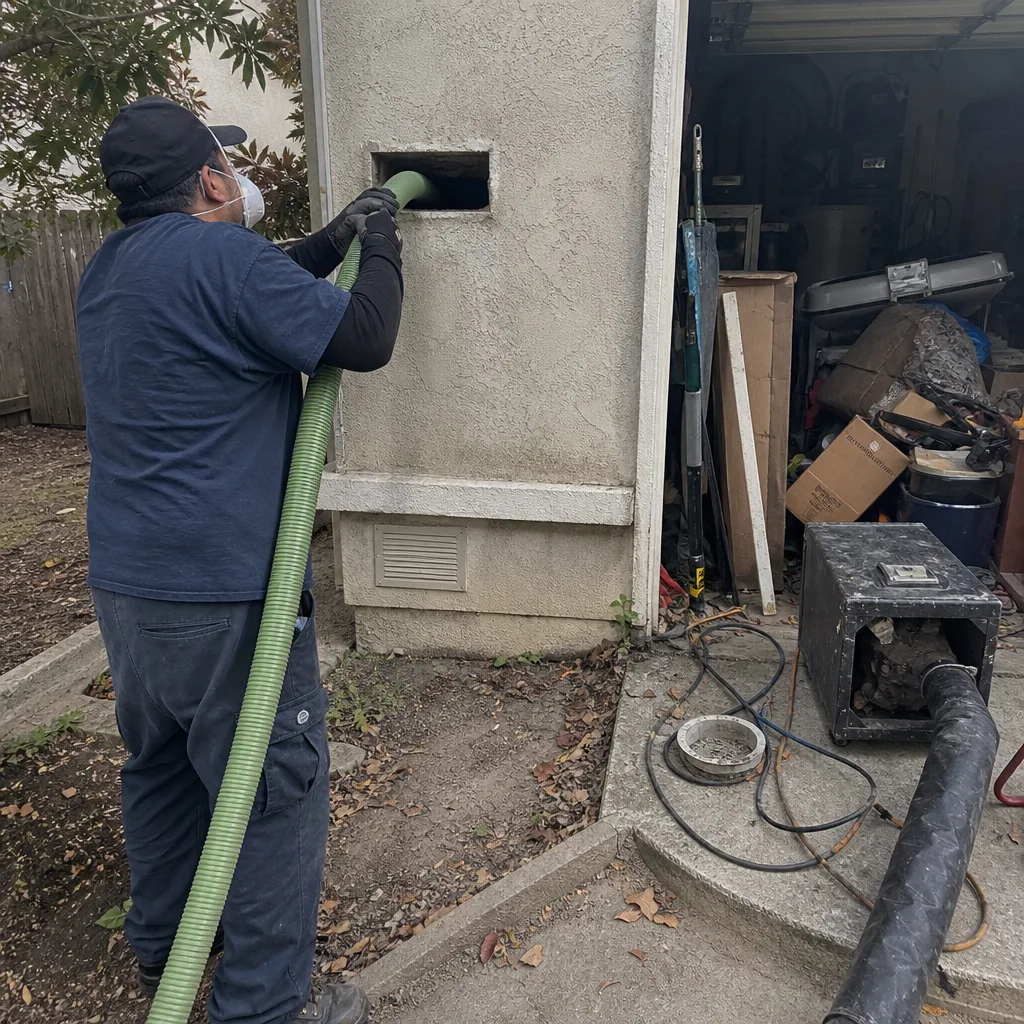
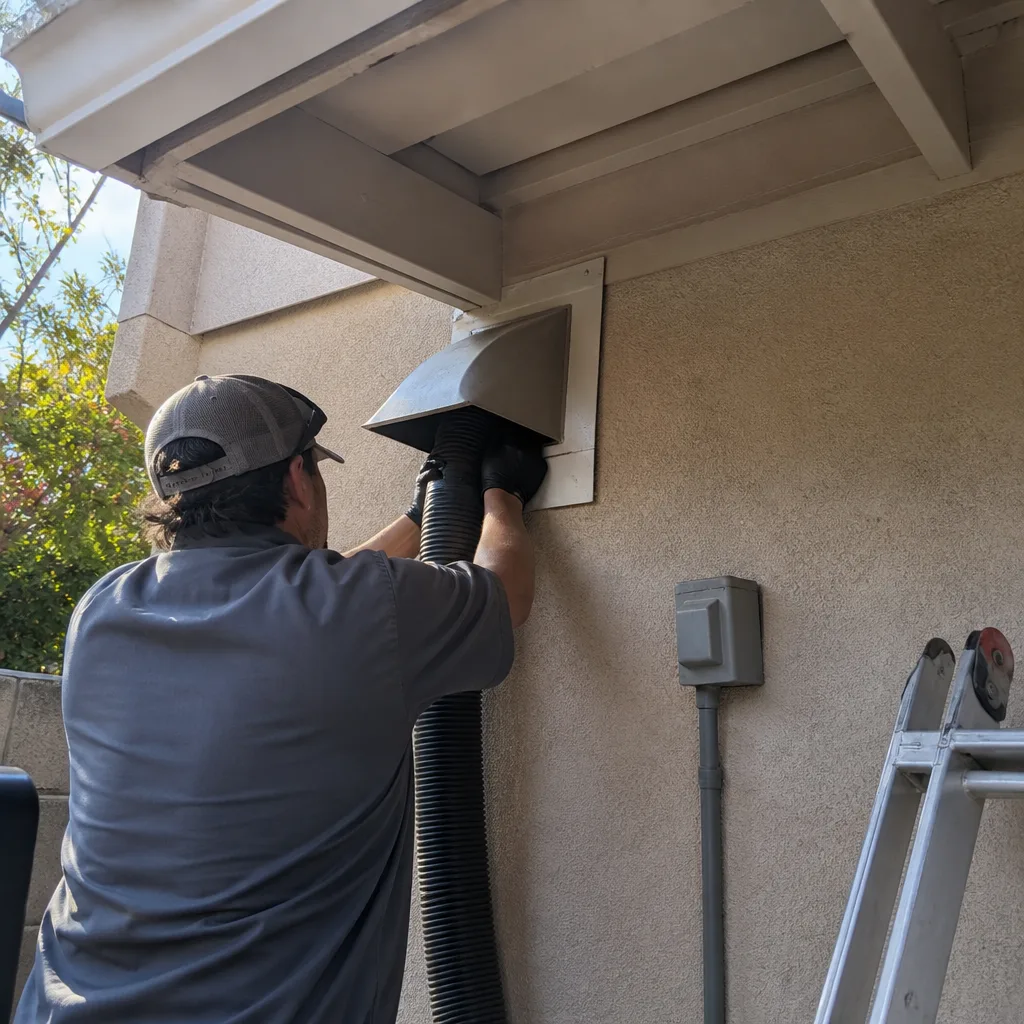
- Not asking about the dryer vent. Many homes in Oak Park were built decades ago, and dryer vents are often neglected. A proper duct cleaning company should address dryer vent safety as part of the conversation. Lint-clogged dryer vents are one of the leading causes of residential house fires. It’s a fire-safety service, not an upsell.
When to Call a Professional
You should call a duct cleaning professional in Oak Park if you notice visible dust buildup around your registers, if your home accumulates dust faster than it used to, if anyone in the household struggles with allergies that worsen indoors, or if you’ve recently completed a renovation that generated drywall dust. You should also call if you just moved into a home and don’t know when the ducts were last cleaned, or if your dryer takes longer than 45 minutes to dry a normal load. These are all signs the system needs attention. Duct Cleaning Oak Park offers free estimates in Oak Park. Call (844) 620-0479 and we’ll assess your system.
Frequently Asked Questions
Air Duct Cleaning Cost Breakdown: The Oak Park Homeowner’s Reference for 2026 covers this in detail, but in short, air duct cleaning in Oak Park typically costs between $350 and $800 for a whole-home cleaning, depending on the number of vents, accessibility, and the degree of buildup. Homes with more returns, second-story ductwork, or heavy debris accumulation trend toward the higher end. Call (844) 620-0479 for an exact quote based on your home’s configuration. Estimates are free.
Cheaper quotes usually mean smaller scopes, weaker equipment, or both. A contractor running a shop vac with a hose instead of a HEPA-filtered negative air machine has almost no equipment overhead, so they can quote low. They may also skip the return side, the furnace blower, and the evaporator coil. When you compare scopes line by line, the price gap typically shrinks considerably.
Ask for photo or video documentation of the ducts before and after cleaning. A professional contractor should be able to show you the inside of your ducts, including hard-to-reach sections. We photograph the duct interior throughout the job so you can see exactly what was removed and what the finished result looks like. If a contractor can’t show you the inside of the ducts, ask why not.
Most homes benefit from professional duct cleaning every 3 to 5 years. Homes with pets, smokers, allergy sufferers, or recent renovation work may need cleaning more frequently. Homes with active construction nearby, common in parts of Oak Park, also trend shorter. The best indicator is visual: if you can see dust accumulation on your registers, it’s time.
No, duct cleaning is not a legal requirement for a home sale in Oak Park. However, many buyers request it as part of the purchase because they don’t know the prior owner’s maintenance history. If you just bought a home and the seller couldn’t provide duct cleaning records, having the system professionally cleaned gives you a known baseline.
A professional duct cleaner should use a HEPA-filtered negative air machine (like those from Nikro or Abatement Technologies) paired with a rotary brush system (like Rotobrush). The negative air machine creates suction that contains debris, while the rotary brush agitates buildup from duct walls. Without both components, the cleaning is incomplete. Call (844) 620-0479 to speak with a specialist about your system.
The Bottom Line
Hiring a duct cleaning contractor in Oak Park is a technical interview process, not a race to the lowest bid. Ask about negative air pressure. Ask about equipment by brand. Verify NADCA membership. Demand a written scope that lists vent count, equipment, containment, and total price. Watch for the $49 door hangers and the sanitizer-first pitch. A professional company with Rotobrush and Nikro equipment, Abatement Technologies containment, and a repair capability that goes beyond cleaning will cost more than a shop-vac operator, but the work is fundamentally different. Your air ducts are only as clean as the equipment cleaning them. For more guides & resources, visit our blog.
Written by the team at Duct Cleaning Oak Park, serving Oak Park since 2017.
See the difference
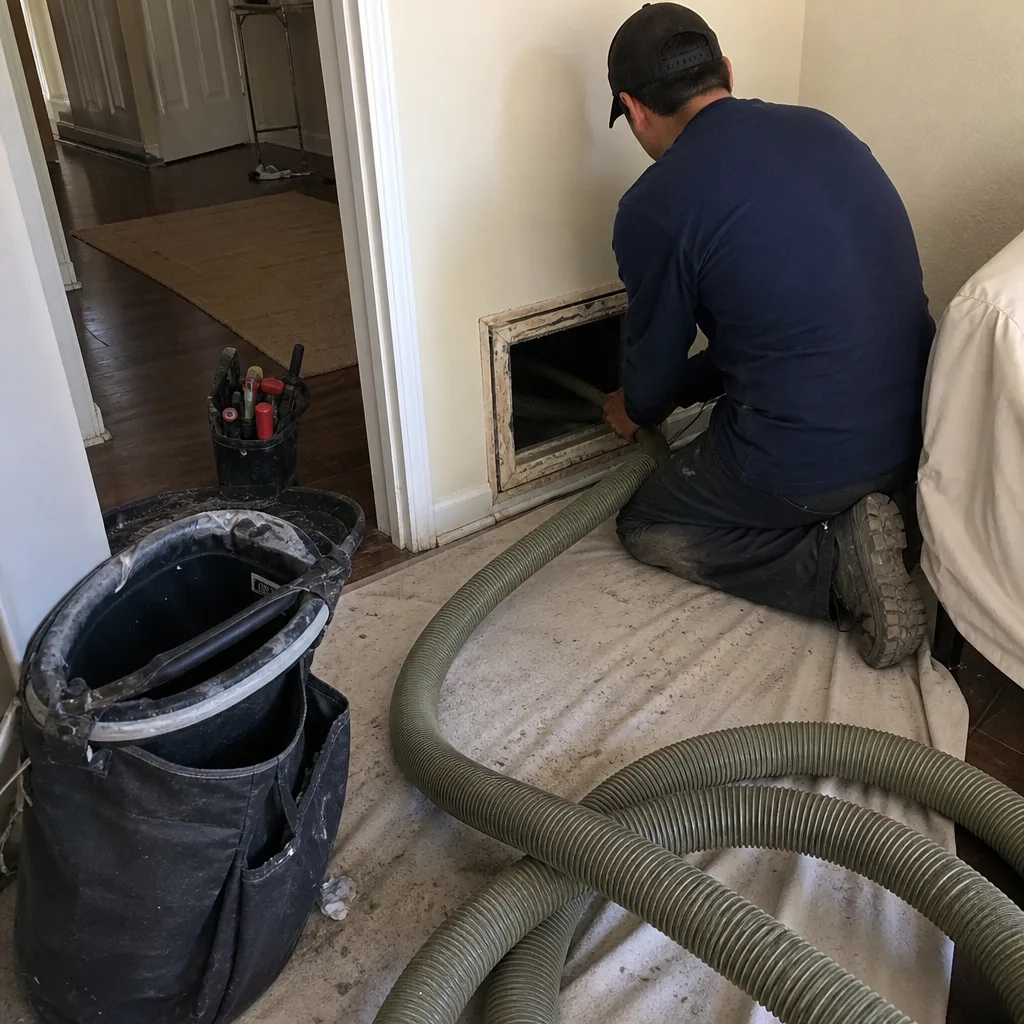 Before
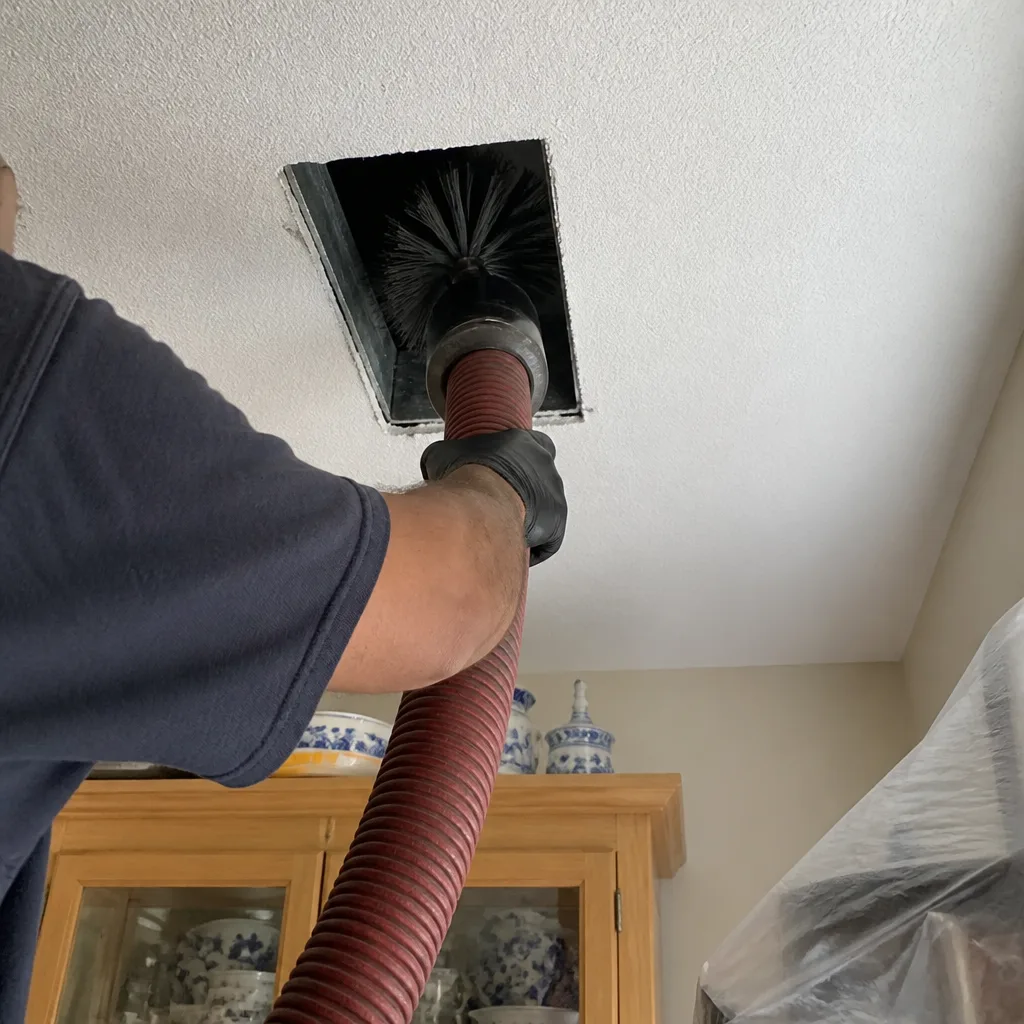 After
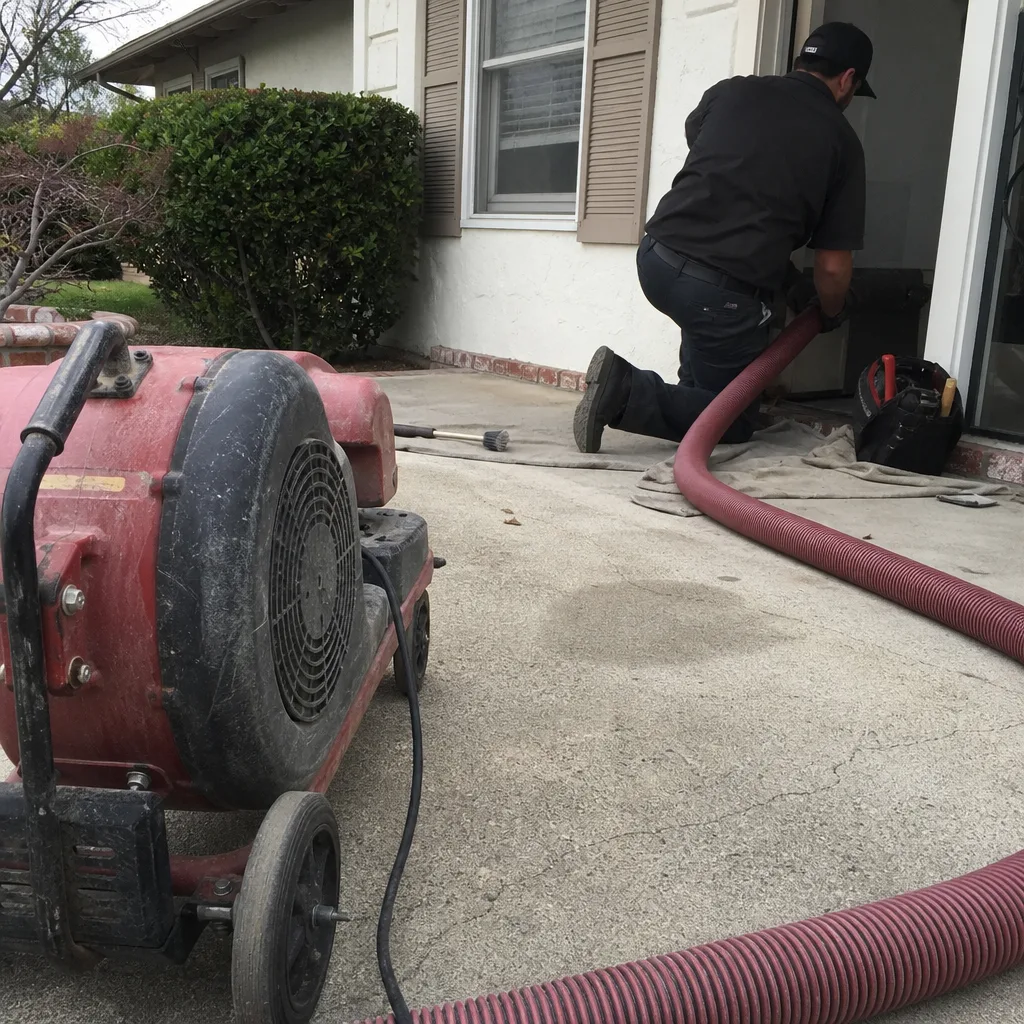 Before
 After
 Before
 After