
Last updated November 2, 2026
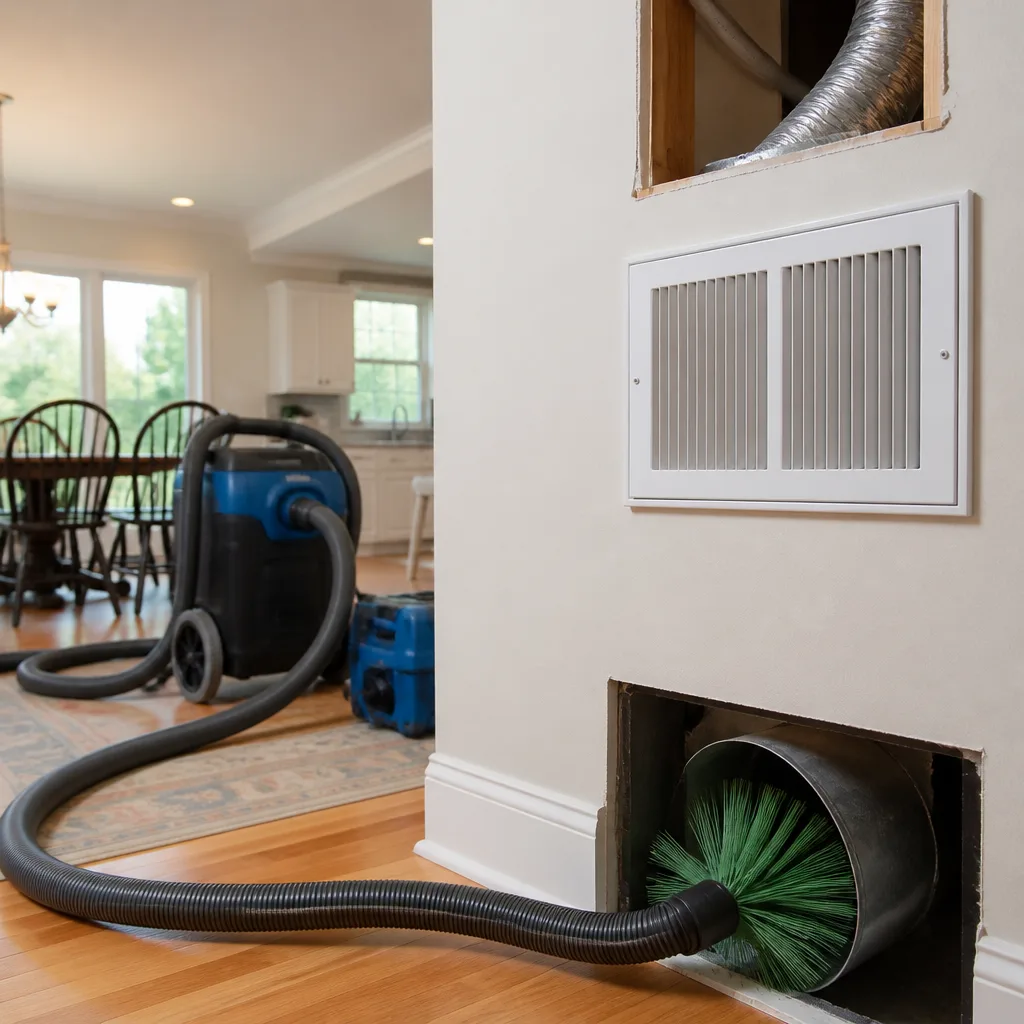 Whole-home duct cleaning
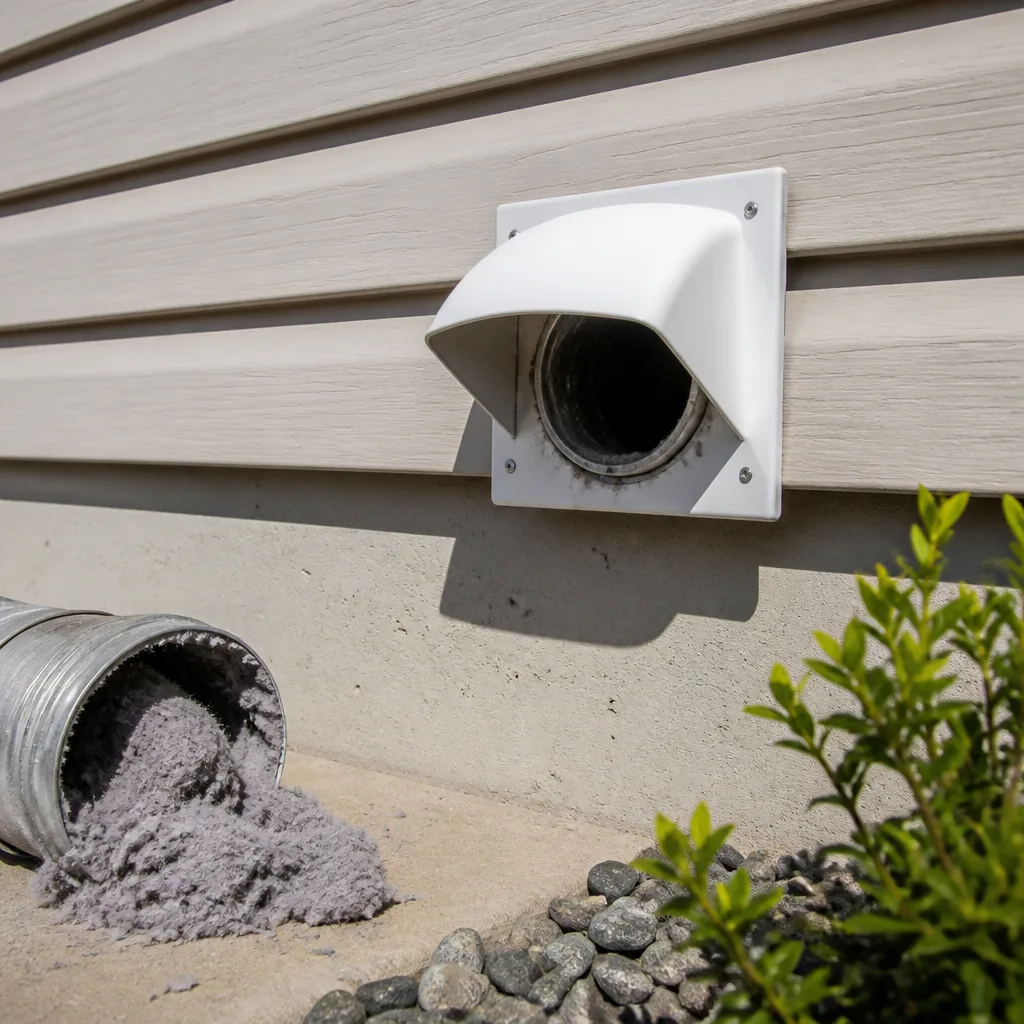 Dryer vent cleaning
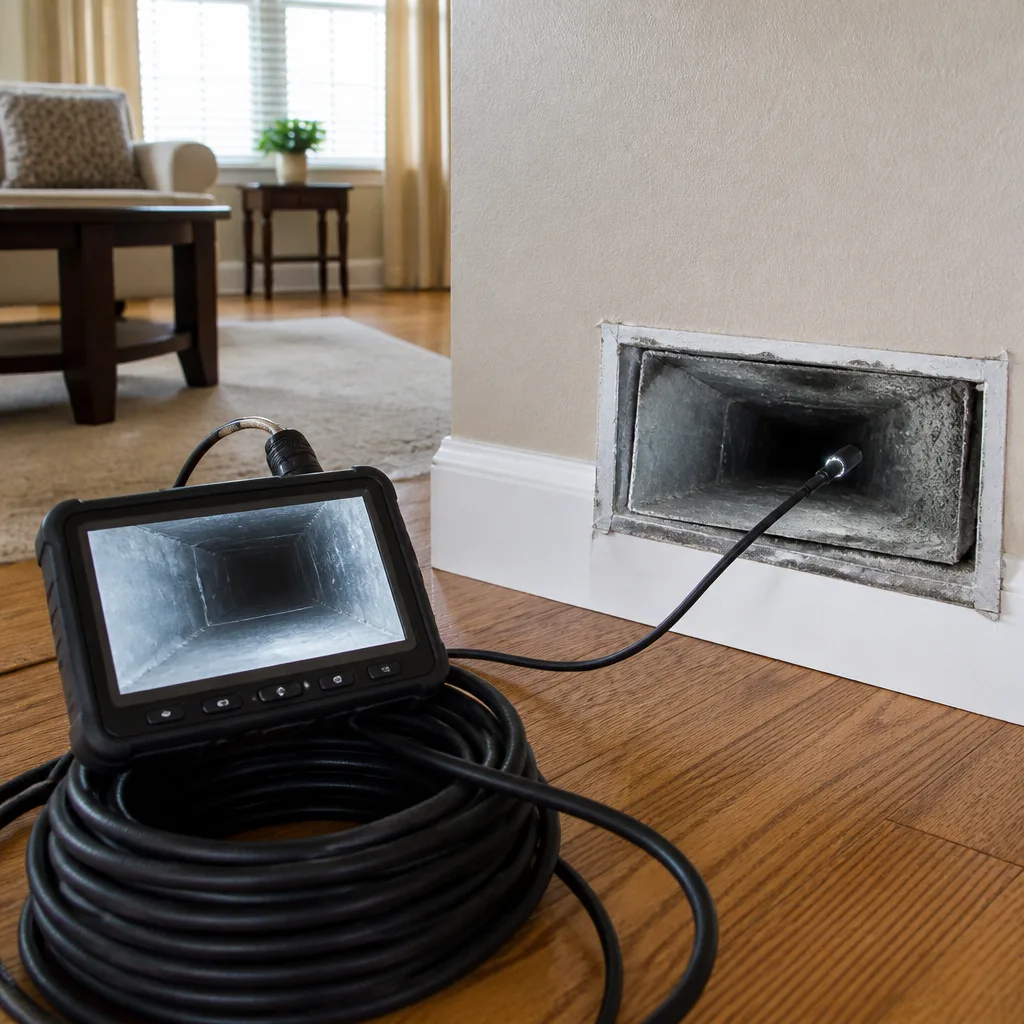 Camera inspection
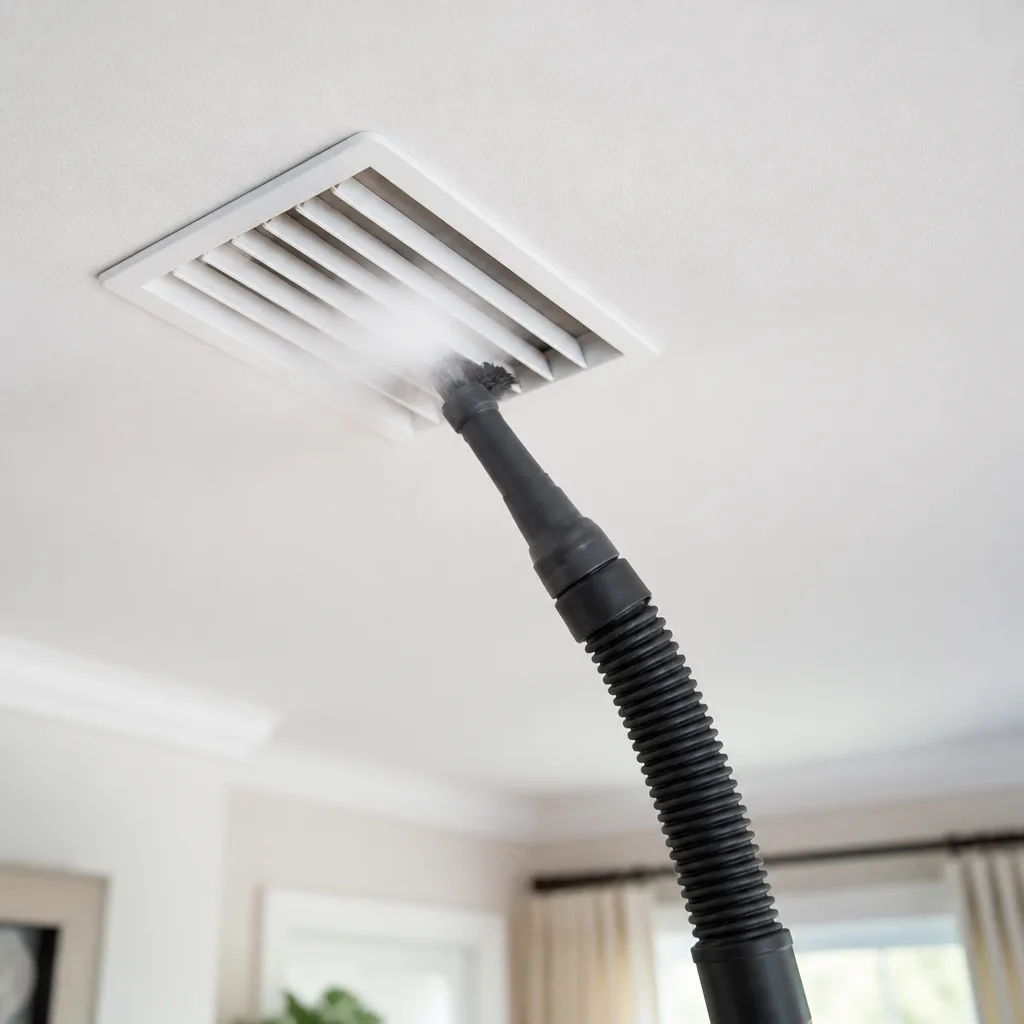 Sanitizing & deodorizing
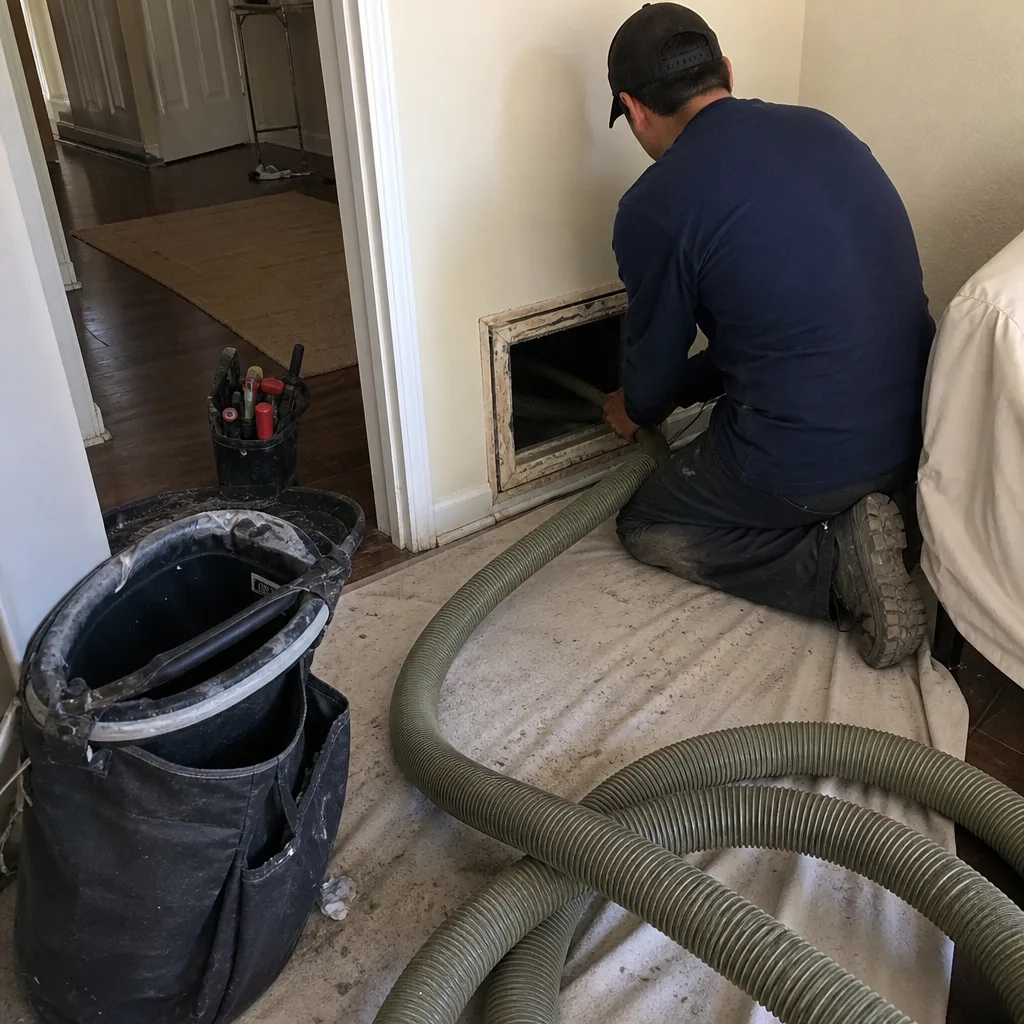
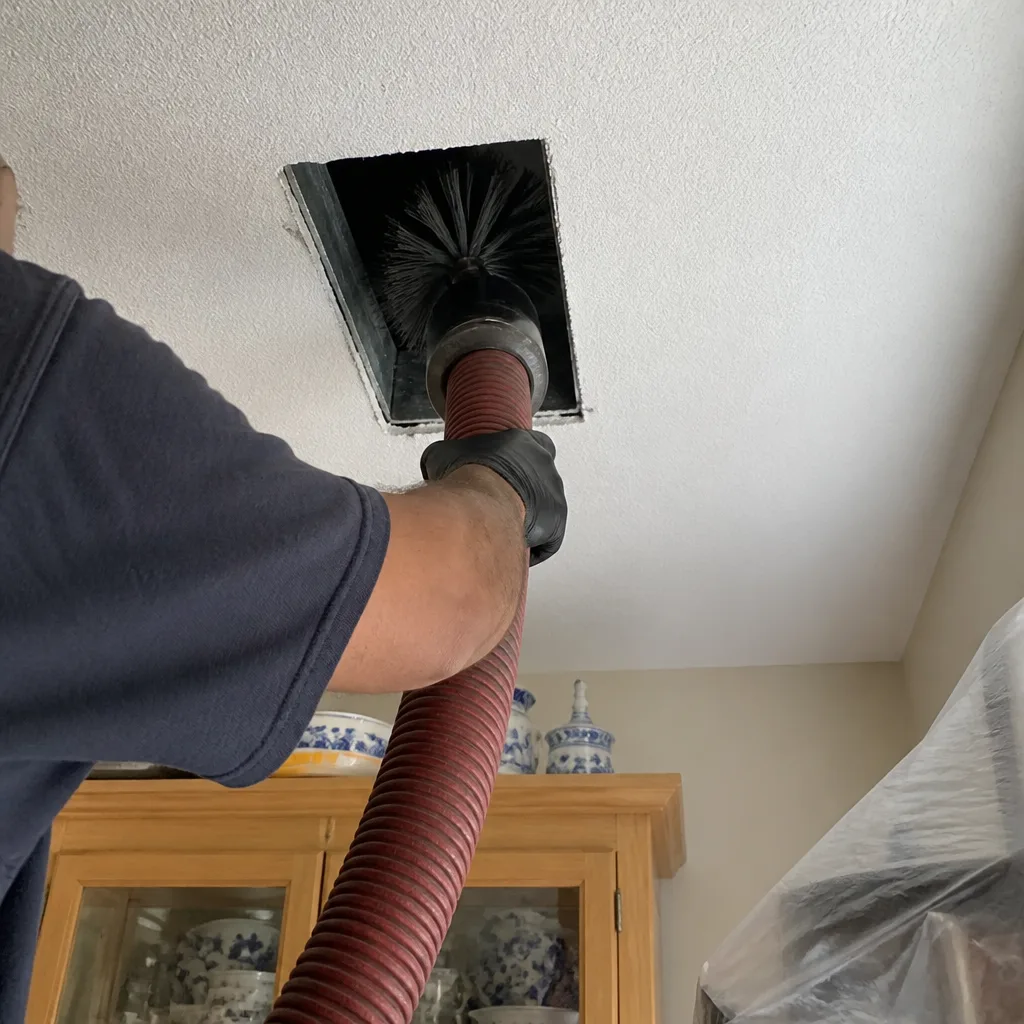
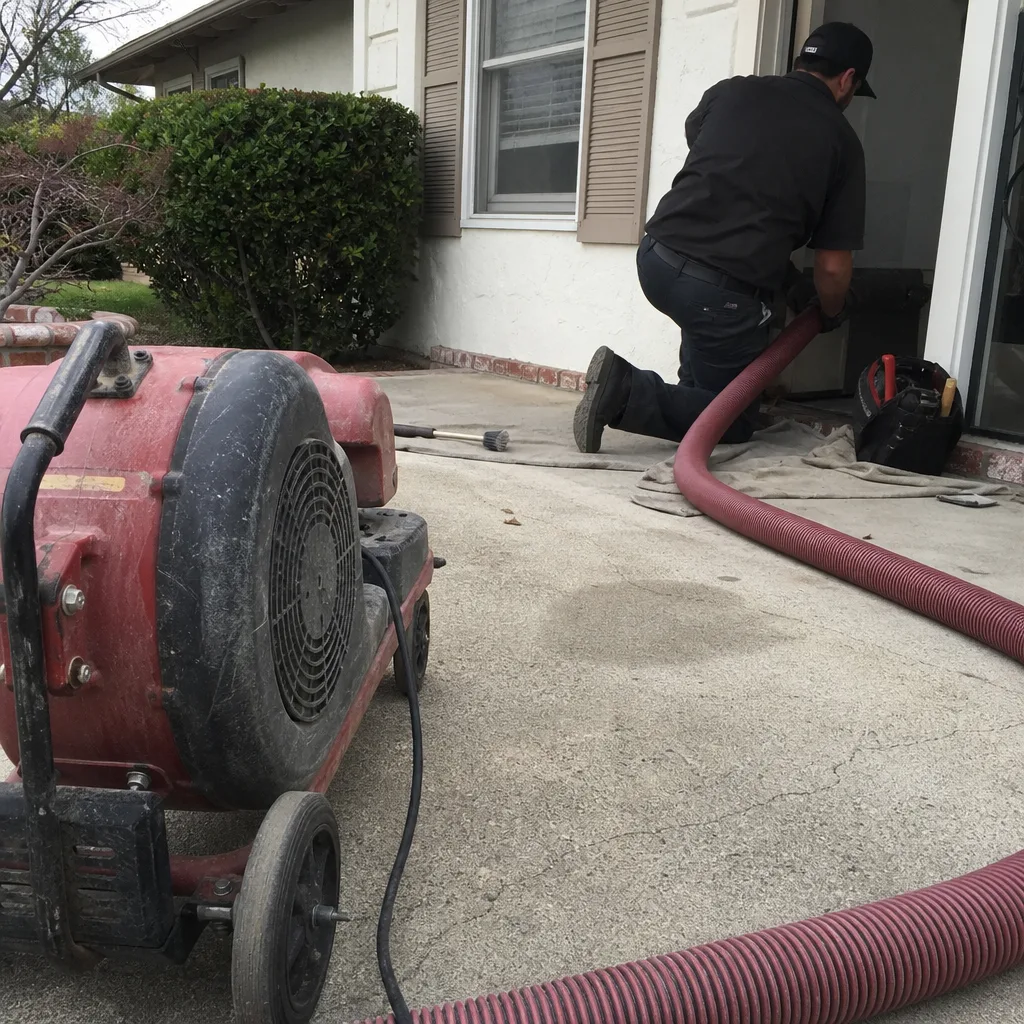
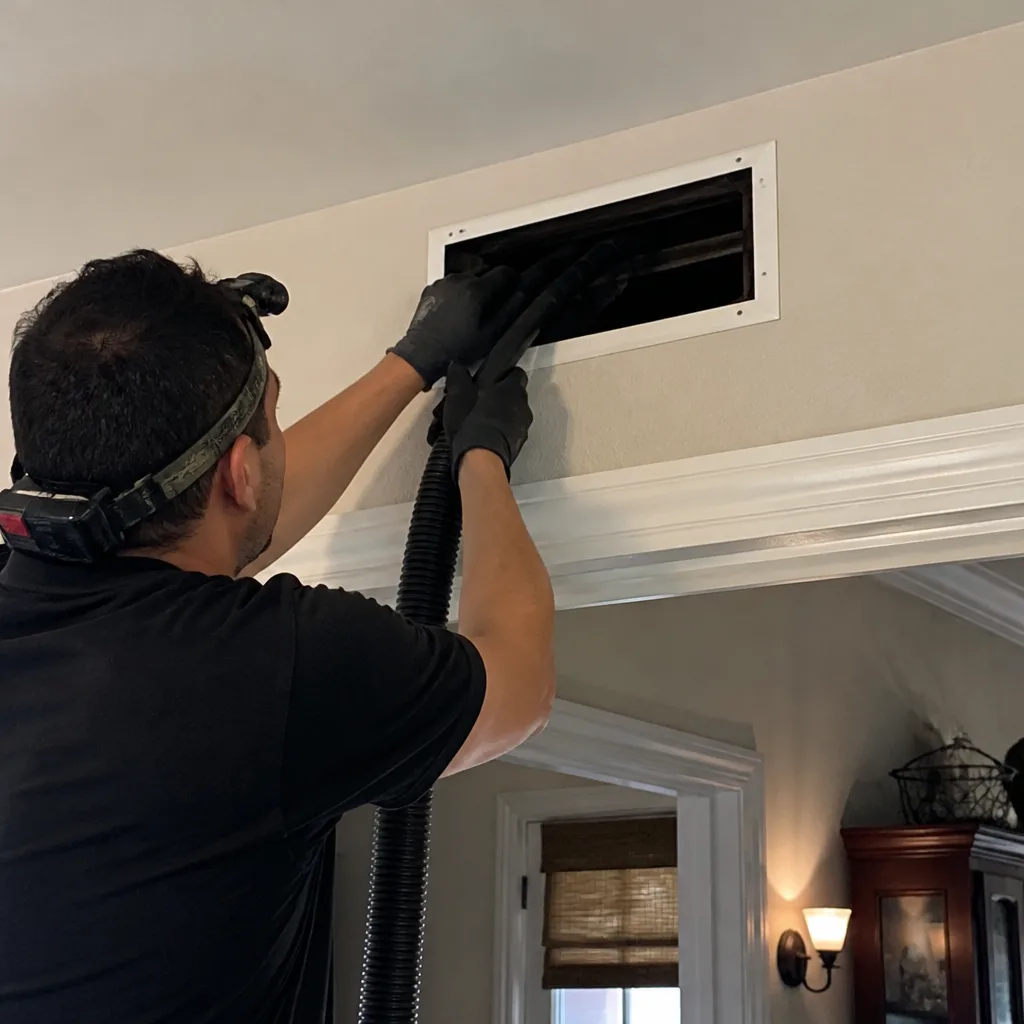
Whole-system duct and dryer vent check with before-and-after photos - you see exactly what came out of your vents
That "$99 whole-house special" is a bait ad - the real number appears once they are in your hallway, or the "clean" is a shop-vac at the register. We photograph the inside of your ducts before and after instead.
Air Duct Cleaning Permits, Codes & Inspections in CA: What You Need to Know
Most homeowners in Oak Park call us expecting a straight answer about permits, and the answer surprises them: cleaning your air ducts does not require a permit anywhere in California. What does require one is the work that often follows. When a technician pulls the blower assembly and finds a cracked plenum, a disconnected return, or mold in the trunk line, the job crosses from maintenance into regulated territory. This guide – along with our Air Duct Cleaning Warning Signs: An Oak Park Homeowner’s Reference Guide – explains exactly where that line sits under the California Mechanical Code, how Title 24 energy rules apply in Ventura County, and what to demand from any contractor before they touch your ductwork.
Quick Answer
Air duct cleaning itself requires no permit in California, but duct replacement, duct sealing that alters the system’s air distribution, and any mold remediation beyond surface cleaning typically require permits and inspections through Ventura County Building and Safety. Title 24 energy code requires that whenever ducts are repaired or replaced, the work must meet minimum R-value insulation standards and pass a duct leakage test. Always ask whether the recommended work is “maintenance” or “alteration” in writing before authorizing anything.
Styles & brands we work with
- Whole-home duct cleaning
- Dryer vent cleaning
- Camera inspection
- Sanitizing & deodorizing
Table of Contents
- Duct Cleaning vs. Duct Construction: Where the Permit Line Drops
- What the California Mechanical Code Actually Says
- Title 24 and Duct Sealing: What Ventura County Contractors Must Do
- Mold in Ducts: When Cleaning Stops and Remediation Begins
- What Ventura County Building and Safety Requires for Duct Work
- How to Get a Straight Answer From a Contractor About Permits
- Why Permits Matter for Your Insurance and Resale Value
- Common Mistakes to Avoid
- When to Call a Professional
- Frequently Asked Questions
Duct Cleaning vs. Duct Construction: Where the Permit Line Drops
The legal distinction comes down to two words: maintenance versus alteration. Cleaning falls squarely under maintenance. You’re removing accumulated debris, dust, and particulate from existing duct surfaces without changing the system’s structure, airflow characteristics, or connection points. No permit required. No inspection. No code compliance check. This holds true whether the work is done in Oak Park, Thousand Oaks, Simi Valley, or anywhere else in the state.
Alteration is different. The moment a contractor proposes to cut into ductwork, replace a section of trunk line, reconfigure a branch run, relocate a supply register, or seal leaks using mastic and mesh reinforcement tape that changes the system’s leakage rate, the work becomes an alteration subject to California Mechanical Code Section 106. Alterations require permits, inspections, and compliance verification.
Here’s a practical breakdown of what falls where:
- No permit required: Rotary brush cleaning, negative-pressure vacuuming, access panel installation for cleaning purposes, surface dust removal, sanitizer application to clean duct surfaces (non-structural).
- Permit required: Replacing any section of metal or flex duct, reconnecting separated duct joints with mechanical fasteners, sealing leaks in ducts that affect system performance, installing new supply or return runs, replacing a plenum, modifying the duct layout to accommodate new equipment.
- Gray zone (ask first): Re-insulating ducts, wrapping accessible runs with new insulation, adding access doors in drywall to reach hidden ducts. These sometimes trigger the alteration definition, sometimes not, depending on local interpretation by Ventura County inspectors.
In our experience cleaning ducts in Oak Park and across Ventura County, the permit conversation starts about 40% of the time. A technician finds a separation in the return plenum. A flex duct is crushed where it passes through a wall. A previous owner’s handyman repair is leaking conditioned air into a wall cavity. These discoveries turn a cleaning appointment into a repair consultation, and that’s where homeowners need to be informed about what’s legal, what’s not, and what their contractor’s obligations are – our Air Duct Cleaning Troubleshooting: Common Problems and How to Fix Them covers what to watch for.
What the California Mechanical Code Actually Says
The California Mechanical Code (CMC), which incorporates the Uniform Mechanical Code with California amendments, governs all ductwork in residential and commercial structures. Section 106.1 of the current edition states that “no person shall construct, install, alter, repair, or replace any mechanical system… without first obtaining a permit from the Authority Having Jurisdiction.” The key word for our purposes is alter.
Cleaning is not an alteration. The CMC defines the distinction through omission rather than explicit statement. The code regulates installation, construction, and modification of mechanical systems. It does not regulate the cleaning of systems that were previously installed in compliance with code. This is why you’ll never find a “duct cleaning permit” in any California jurisdiction. It doesn’t exist because the code doesn’t demand it.
However, three sections of the CMC directly affect duct work that follows a cleaning discovery:
- Section 601.1 – Duct Construction: Ducts must be constructed of approved materials and installed to maintain the required airflow without excessive leakage. Any repair that involves constructing a new duct section must meet these standards.
- Section 603.9 – Duct Sealing: Joints and seams in ducts must be sealed to prevent air leakage. The code specifies approved sealants including mastic, fiberglass mesh with mastic, and certain UL-listed tape products. Duct tape, despite the name, is not on the list.
- Section 608.1 – Insulation: Supply ducts in unconditioned spaces must be insulated to a minimum R-value. In climate zones where Ventura County falls (Zone 6 and 8 depending on elevation), that typically means R-8 insulation for ducts in attics.
What this means for an Oak Park homeowner is straightforward: if your duct cleaning uncovers work that requires touching the duct seams, joints, or insulation, that work needs a permit, and the contractor needs to follow the CMC. A contractor who tells you otherwise is either uninformed or cutting corners. Neither is acceptable when the work involves your home’s air distribution system.
Title 24 and Duct Sealing: What Ventura County Contractors Must Do
California’s Title 24 Building Energy Efficiency Standards, updated on a three-year cycle with the most recent substantive changes taking effect January 2023, impose requirements that many homeowners in Oak Park never hear about until a contractor brings them up. These requirements apply to duct work in three ways.
First, when ducts are replaced or newly installed, they must be tested for air leakage using a duct pressurization test, commonly called a HERS test (Home Energy Rating System). The allowed leakage rate depends on whether the ducts are in conditioned or unconditioned space. For ducts installed in attics (which describes most single-story homes in Ventura County, including many in Oak Park’s established neighborhoods), maximum leakage is 5% of system airflow when tested at 25 Pascals. That’s a tight standard.
Second, when duct repairs are performed on systems serving more than 40 feet of duct run, the affected portion must be sealed to reduce leakage, and in many cases a verification test is required. The threshold matters because many homes in Oak Park’s older developments, built in the 1970s and 1980s, have duct runs exceeding 40 feet with leakage rates far above what Title 24 allows.
Third, Title 24 specifies minimum insulation levels for ducts in specific climate zones. Ventura County spans Climate Zones 6, 8, and 9. Inland areas of Oak Park fall into Zone 8, where supply ducts in unconditioned spaces require R-8 insulation, and return ducts require R-6. If your duct repair involves replacing insulation or installing new ductwork, this standard applies.
Here’s a step-by-step of what a compliant duct repair looks like in Ventura County:
- Assessment: The contractor identifies the damaged or leaking duct sections using visual inspection, a smoke pencil, or a duct pressurization test.
- Scope determination: The contractor documents whether the work is a like-for-like replacement (same size, same routing) or an alteration (different size, different routing, new connections). Like-for-like replacements have simpler review paths.
- Permit application: The contractor files with Ventura County Building and Safety, including the work scope, materials list, and scheduled inspection dates.
- Work execution: Duct sections are replaced or sealed using CMC-approved materials. Joints are reinforced with mastic and fiberglass mesh tape where the code requires reinforcement.
- Testing (if required): A HERS rater or certified technician performs the duct leakage test. If leakage exceeds 5%, additional sealing is performed until the system passes.
- Final inspection: A Ventura County inspector verifies the work, confirms the permit requirements are met, and signs off.
Most homeowners are surprised to learn that sealing leaks in their existing ducts, a repair we frequently recommend after seeing how much conditioned air escapes into attics during our cleaning work, can trigger these requirements. It’s not optional. A contractor who seals significant leakage without a permit and without testing has performed unpermitted work that can complicate insurance claims and resale disclosures.
Mold in Ducts: When Cleaning Stops and Remediation Begins
Mold discovered during duct cleaning in Oak Park creates an immediate scope-stopping question: is this a cleaning issue or a remediation issue? The answer affects whether permits are required, who is qualified to do the work, and how the work should be documented.
California doesn’t have a statewide mold licensing requirement for residential properties, but the California Department of Public Health (CDPH) publishes guidance under the Toxic Mold Protection Act of 2001 (the Tucker Act), and the Air Resources Board maintains standards for acceptable indoor mold levels. These guidelines distinguish between cosmetic mold (surface growth, limited area, no underlying material damage) and structural mold (growth penetrating insulation, drywall, or wood that requires material removal).
The practical distinction for duct work:
- Surface mold on non-porous duct surfaces: Metal trunk lines and plenums can sometimes be cleaned with EPA-registered antimicrobial products labeled for HVAC use. No permit is required for cleaning as long as the underlying material is intact. This work typically falls within a duct cleaner’s scope.
- Mold inside insulated flex duct: Insulation absorbs moisture and organic material. Mold growth inside flex duct cannot be effectively cleaned. The affected flex duct must be replaced. Replacement requires a permit.
- Mold on duct insulation in an attic: If the insulation is moldy, the moisture source that caused the growth needs correction, and the insulation must be removed and replaced. The moisture correction (roof leak, condensation, failed vapor barrier) is outside the duct cleaning scope. The insulation replacement triggers a permit.
- Mold extending into wall cavities or drywall: This is full remediation territory. It requires containment, negative air pressure, air scrubbing with HEPA filtration, and material removal. This is not duct cleaning work, and it often requires specialized contractors and sometimes permit applications through Ventura County.
We use Abatement Technologies containment and air-scrubbing equipment on duct projects specifically because it provides a remediation-level standard of care when the scope is borderline. If a cleaning uncovers mold that requires replacement rather than surface treatment, that equipment protects the home’s living spaces from cross-contamination during the work. It’s the difference between spreading spores and containing them.
What Ventura County Building and Safety Requires for Duct Work
Ventura County Building and Safety is the Authority Having Jurisdiction (AHJ) for unincorporated areas and for cities that contract with the county for building services. Oak Park falls under the county’s jurisdiction for building permits. The requirements here mirror the California Mechanical Code but with specific local implementation that affects timing, fees, and inspection scheduling.
For duct replacement or repair work that crosses the alteration threshold, the contractor must submit a permit application through Ventura County’s ePermit system or in person. The application requires a scope of work description, a site plan (for additions or extensive alterations), and in some cases a mechanical plan showing the duct layout changes. Standard review time for mechanical permits in the county ranges from 3 to 10 business days, though small, single-system repairs can sometimes be issued over the counter.
Inspection coordination matters more than most people realize. Ventura County inspectors work on scheduled routes, and the availability of a mechanical inspector for a duct inspection affects when the contractor can close up walls or finish the work. If the contractor doesn’t call for inspection at the right point in the sequence, the county can require exposing covered work for verification. This is one reason why working with a contractor who does this regularly in Oak Park and Ventura County matters. They know the inspection sequence and schedule around it.
The permit fee structure is another consideration. Ventura County calculates mechanical permit fees based on the project valuation. A typical duct replacement project, depending on scope, carries permit fees in the range of $80 to $300. Some contractors absorb this cost; others pass it through. It should be itemized on the quote. If a contractor’s quote doesn’t mention permit fees for work that clearly requires a permit, that’s a red flag that they don’t intend to pull one.
How to Get a Straight Answer From a Contractor About Permits
Contractors in the duct cleaning industry run the range from fully compliant to run-don’t-walk. Some will tell you exactly what the code requires and build the permit into their quote. Others will say “you don’t need a permit for this” because saying so saves them time and money, shifts risk to you, and keeps their quote looking cheaper. The difference matters. Here’s what to ask, and how to evaluate the answer.
- Ask this exact question: “Does the work you’re recommending fall under maintenance or alteration under California Mechanical Code Section 106?” If the contractor blinks, that’s your answer. A qualified professional knows the section number or at least knows the distinction.
- Request the determination in writing: Put the question in an email or text. A contractor who gives you a verbal “no permit needed” but won’t commit to it in writing has given you the real answer.
- Check the scope against the CMC thresholds: Replacement, relocation, reconfiguration, or significant sealing all cross the threshold. If the contractor’s proposed work includes any of these, the permit answer should be “yes” or “let me check with the county.” It should never be “you don’t want to deal with the county, trust me.”
- Ask about the inspection: If the work requires a permit, it requires an inspection. The contractor should name the inspection point (rough inspection before concealment, final inspection after completion). If they can’t tell you when the inspector comes, they’re not planning for one.
- Verify the permit: In Ventura County, you can verify an issued permit by calling Building and Safety or checking the ePermit portal with your address. A contractor who pulls a permit will have a permit number. Ask for it.
The uncomfortable reality in this industry is that unpermitted duct work is common. A homeowner in Oak Park might have a duct repair done without a permit, live in the house for five years, and sell it without issue. The problems surface when the next buyer’s inspector flags unpermitted modifications, when an insurance adjuster denies a claim related to the duct work, or when a county inspector responds to a complaint and orders the work opened up for review. Permits are cheap insurance compared to those outcomes.
Why Permits Matter for Your Insurance and Resale Value
Insurance companies and home buyers both care about permits, and duct work is squarely in their sightline. A properly permitted and inspected duct replacement creates a documentation trail that protects the homeowner. Unpermitted work creates exposure.
On the insurance side, the California Department of Insurance allows insurers to deny claims for damage caused by work performed without required permits. If a duct repair fails, causes water damage in the attic, or contributes to a fire, and the insurer discovers the work was unpermitted, the claim can be denied. This isn’t theoretical. Insurance adjusters in Ventura County routinely check permit records during major claims. A house with a permit history showing permitted duct work has a cleaner claims profile than one with unpermitted work that a contractor did on a handshake.
On the resale side, California’s standard real estate disclosure forms require sellers to list any work done without permits. Unpermitted duct repairs must be disclosed, and they create a negotiation point for buyers. Some buyers will request the work be permitted retroactively, which is possible but involves opening walls or ducts, paying fees, and coordinating with the county. Others will demand a price reduction. Neither outcome is better than having pulled the permit originally.
There’s also the matter of lending. FHA, VA, and conventional loans all have appraisal requirements that flag unpermitted work. An appraiser who sees fresh duct work with no permit record will note it. The underwriter will ask questions. Deals have died over smaller issues.
For our duct cleaning clients in Oak Park, the permit conversation is often the first time they’ve thought about any of this. A cleaning is straightforward. The follow-on repair work is where homeowners need to be informed advocates for their own interests. Ask for the permit. Verify it was issued. Confirm the final inspection. Keep the documentation. It’s part of your home’s record, and it protects you on the back end.
If you’re looking at air duct work in Oak Park, the starting point is understanding what you actually need. If it’s cleaning, no permit is required, work with a specialist who uses professional-grade equipment like the Rotobrush rotary-brush system or Nikro negative-pressure suction units, and get a clear before-and-after picture of the system. If it’s repair, that’s where the permit conversation starts. Read more about Air Duct Cleaning in Oak Park to understand the basics of the service itself, or see our Air Duct Repair in Oak Park page to understand how repairs differ from cleaning and what’s involved.
Common Mistakes to Avoid
- Assuming all duct work is the same. Cleaning and alteration are legally different categories. A contract that says “duct service” without specifying maintenance versus alteration doesn’t tell you whether a permit is in play. Demand specificity.
- Taking a contractor’s oral permit assurance at face value. If the answer isn’t in writing, it wasn’t given. Ask for the permit determination in the quote or contract.
- Confusing cheap sealing with code-compliant sealing. Slapping foil tape (even UL-listed tape) on a leaky joint is not the same as code-compliant duct sealing with mastic and reinforcement mesh where required. In Oak Park and throughout Ventura County, Title 24 leakage standards apply, and short-cut sealing won’t meet them.
- Ignoring the insulation requirement. Replacing a flex duct run in an Oak Park attic without R-8 insulation creates both an energy penalty and a compliance failure. Title 24 isn’t optional just because the work is repair rather than new construction.
- Hiding behind ignorance as a defense. California case law doesn’t protect homeowners who “didn’t know” a permit was required. The obligation runs with the property, and the responsibility for the home’s compliance is ultimately the owner’s.
- Using a general contractor for mechanical work without verifying their mechanical license. Duct replacement and repair require a C-20 (warm air heating, ventilating, and air conditioning) contractor’s license in California. Cleaning, which doesn’t require a C-20, is a different scope. Make sure the person doing the work holds the right license for the actual task.
- Skipping the final inspection because the work “looks finished.” A permit without a final inspection is not a completed permit. Unfinalized permits show up on title searches and create the same disclosure obligations as unpermitted work. Close the loop.
When to Call a Professional
Call a duct specialist for Air Duct Cleaning services when you notice visible dust accumulation around supply registers, when rooms heat or cool unevenly, when your energy bills climb without explanation, or when a home inspection flags duct issues during a purchase. In Oak Park’s dry, dusty summers, duct systems in older homes accumulate significant particulate that recirculates through living spaces. A professional cleaning with proper negative-pressure equipment addresses that. And if the inspection surfaces damage, separation, or mold, the specialist should be able to tell you, in writing, whether the follow-on work requires a permit and who should perform it. Duct Cleaning Oak Park offers free estimates in Oak Park. Call (844) 620-0479 to schedule an assessment. We’ll tell you whether you need a cleaning, a repair, or further evaluation by a licensed C-20 contractor. The answer might save you from paying for work you don’t need, or from skipping work that protects your home.
Frequently Asked Questions
No. Air duct cleaning is classified as maintenance, not construction or alteration, under the California Mechanical Code, so no permit is required anywhere in California, including Ventura County. The work involves removing accumulated debris from existing duct surfaces without modifying the system. A permit becomes necessary only if the cleaning uncovers damage requiring duct replacement, reconfiguration, or significant sealing. Call (844) 620-0479 for a free assessment if you’re unsure whether your situation involves just cleaning or also repair.
Air duct cleaning in Oak Park typically costs between $350 and $700 for a full single-family home system, depending on the number of vents, system size, and whether the ducts are accessible from a crawlspace or attic. Larger homes with multiple zones, or systems with heavy buildup that require additional passes, run higher. We quote one flat price per system agreed before work starts, so there are no per-vent upcharges or add-on surprises. Call (844) 620-0479 for a free estimate with exact numbers for your home.
Yes. Title 24 energy efficiency standards apply whenever duct work is repaired or altered in a way that affects system leakage, even if the repair was triggered by a cleaning-discovery. In Ventura County climate zones, the work must meet minimum leakage standards (typically 5% or less for ducts in unconditioned space) and minimum insulation requirements (R-8 for supply ducts in attics). A contractor performing this work should pull a permit and schedule a duct leakage test where the scope requires it.
Lower quotes in the Oak Park market typically come from operators using portable shop vacuums and basic brushes rather than professional negative-pressure systems like Rotobrush or Nikro equipment. The equipment difference drives real outcomes: negative-pressure containment keeps dislodged material from escaping into living spaces, while low-end tools can redistribute dust rather than remove it. Low quotes can also omit proper containment, thorough register-by-register work, or the labor to access hidden duct sections. A lower price often means less work actually getting done.
You should receive before-and-after photos of your own duct system, including the main trunk lines and representative branch runs. We photograph each system before starting and after completing the work, so you can see the removal rather than taking anyone’s word for it. A camera scope inspection before and after is standard practice for any professional operator, and it protects you from paying for a van visit rather than a cleaning.
No. Dryer Vent Cleaning in Oak Park requires no permit because it’s maintenance work on an existing exhaust system. The only time a permit might enter the picture with a dryer vent is when the vent run needs to be replaced or rerouted due to damage, improper materials (such as plastic or foil flex), or code violations. Those repairs fall under the mechanical code and may require a permit through Ventura County. Regular cleaning itself is a fire-safety maintenance item, not a regulated construction activity.
The Bottom Line
Air duct cleaning in California requires no permit, and that’s the easy part of the answer. The harder part is what happens when a cleaning uncovers problems that cross into alteration territory. Duct replacement, significant sealing, insulation work, and mold remediation beyond surface treatment all trigger permit and inspection obligations under the California Mechanical Code and Title 24. In Oak Park and throughout Ventura County, the smart move is to work with a duct specialist who tells you the truth about what your system needs, in writing, before work starts. When cleaning is all you need, professional equipment and before-and-after documentation matter. When repair is needed, the permit conversation matters more. For more guides & resources on keeping your system compliant, visit our blog.
Ready to find out what your ducts actually need? Duct Cleaning Oak Park home services include professional air duct cleaning, dryer vent cleaning, and air duct repair throughout the Oak Park area. Call (844) 620-0479 for a free estimate and an honest assessment.
Written by the team at Duct Cleaning Oak Park, serving Oak Park since 2017.
See the difference
 Before
 After
 Before
 After
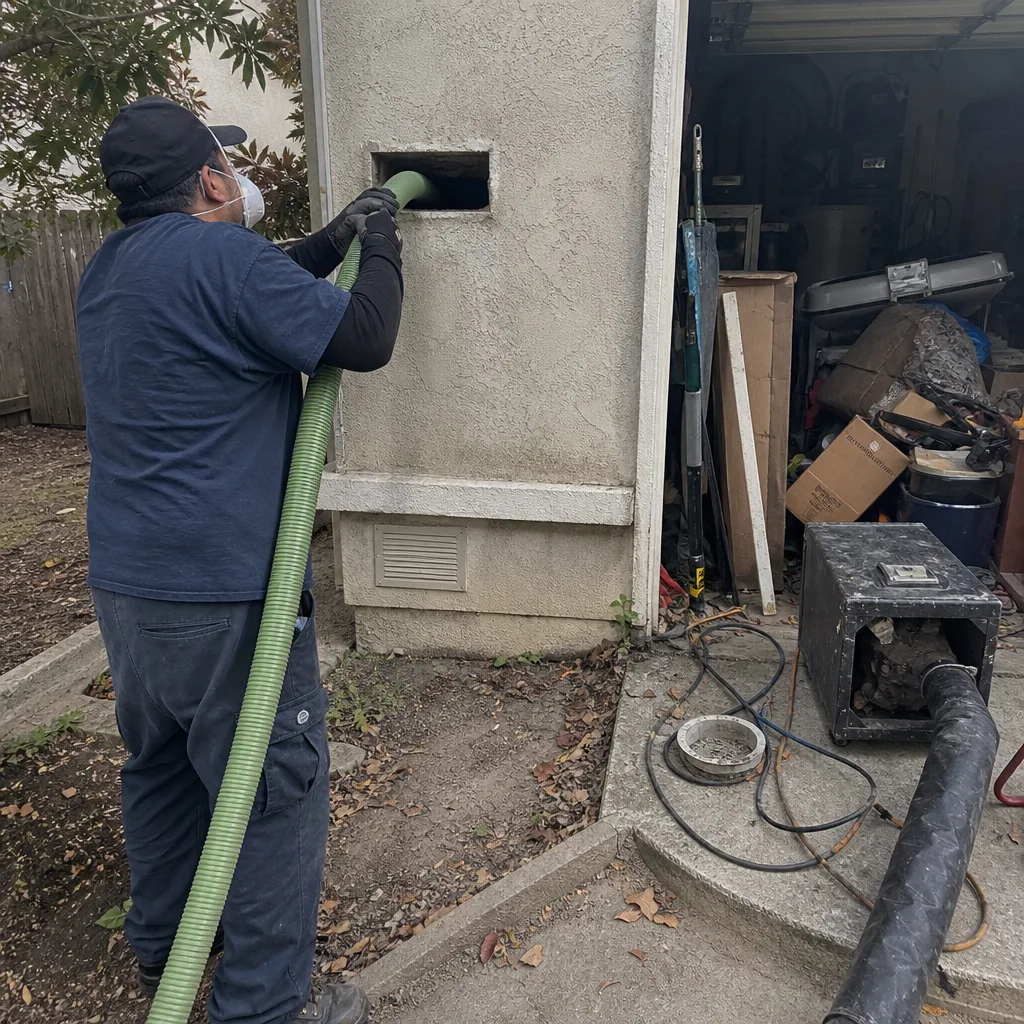 Before
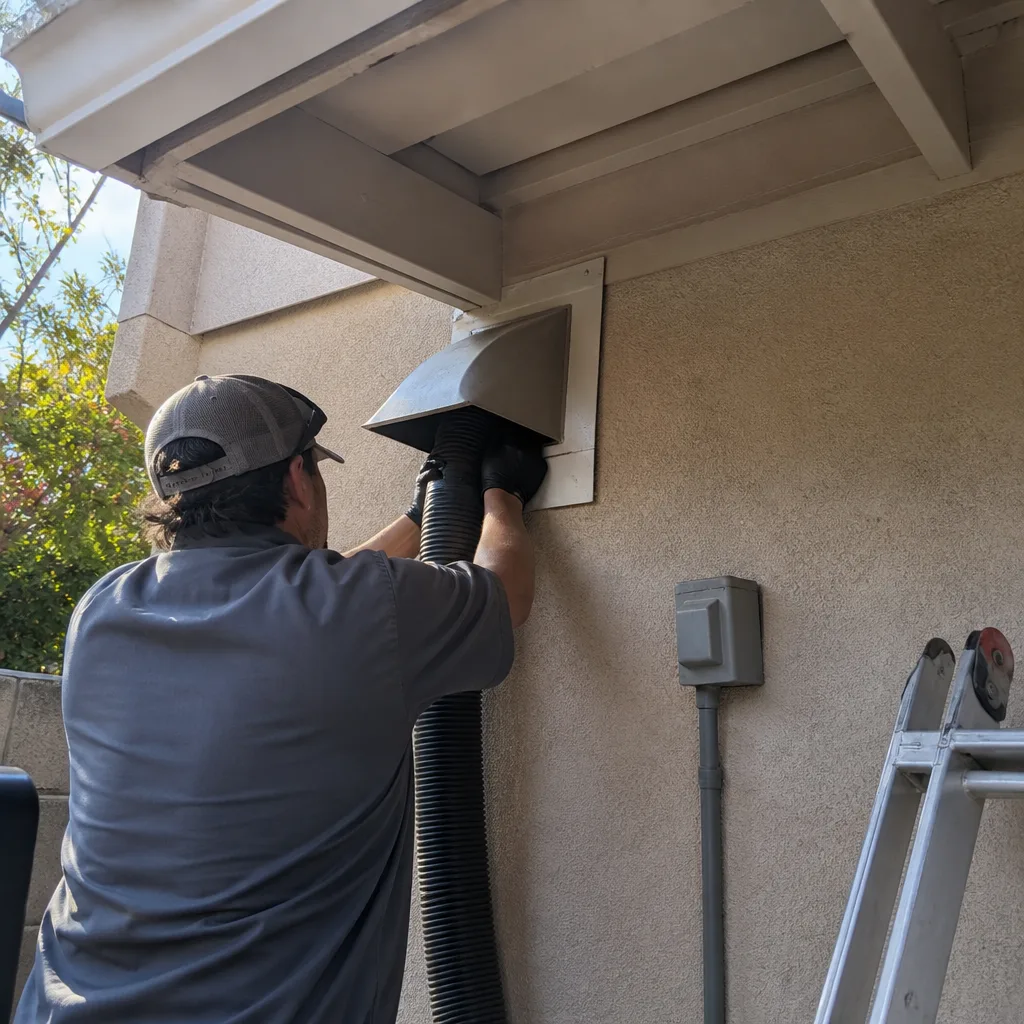 After