
Last updated November 2, 2026
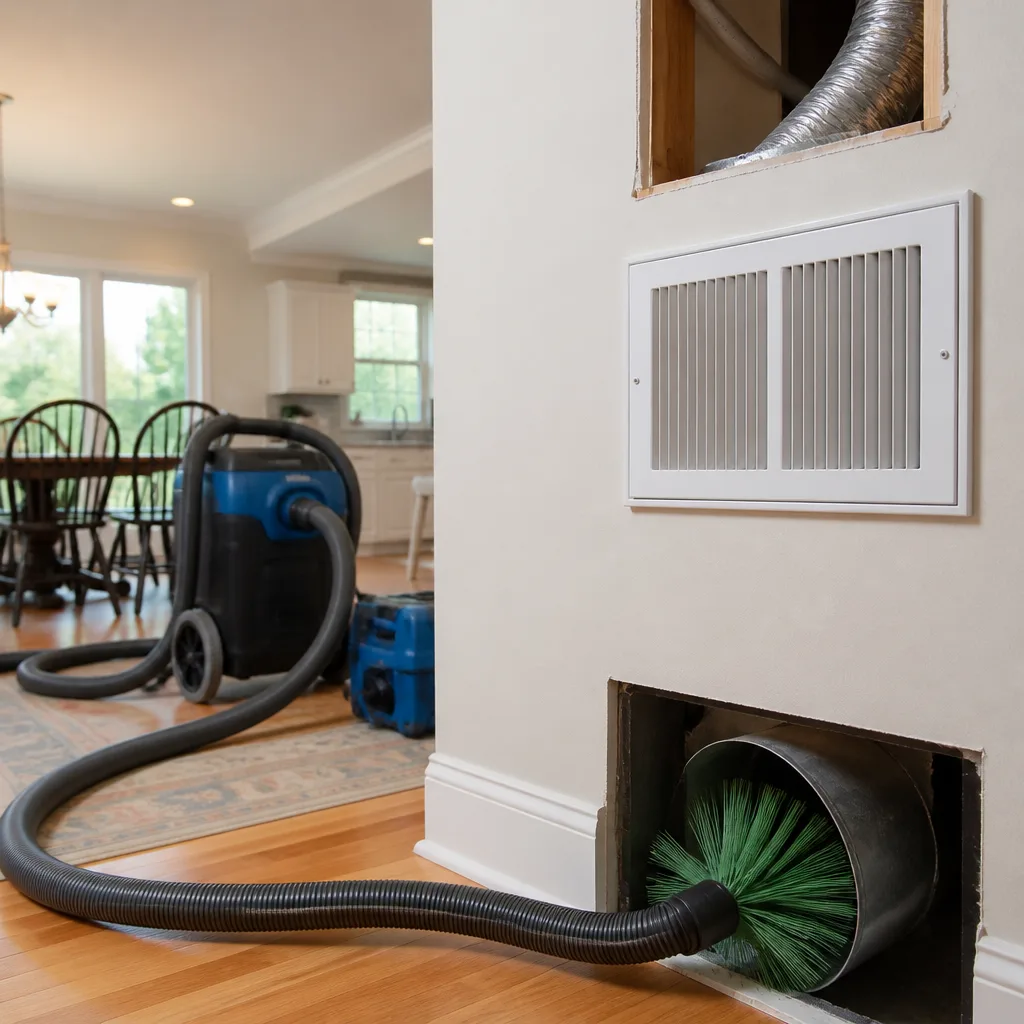 Whole-home duct cleaning
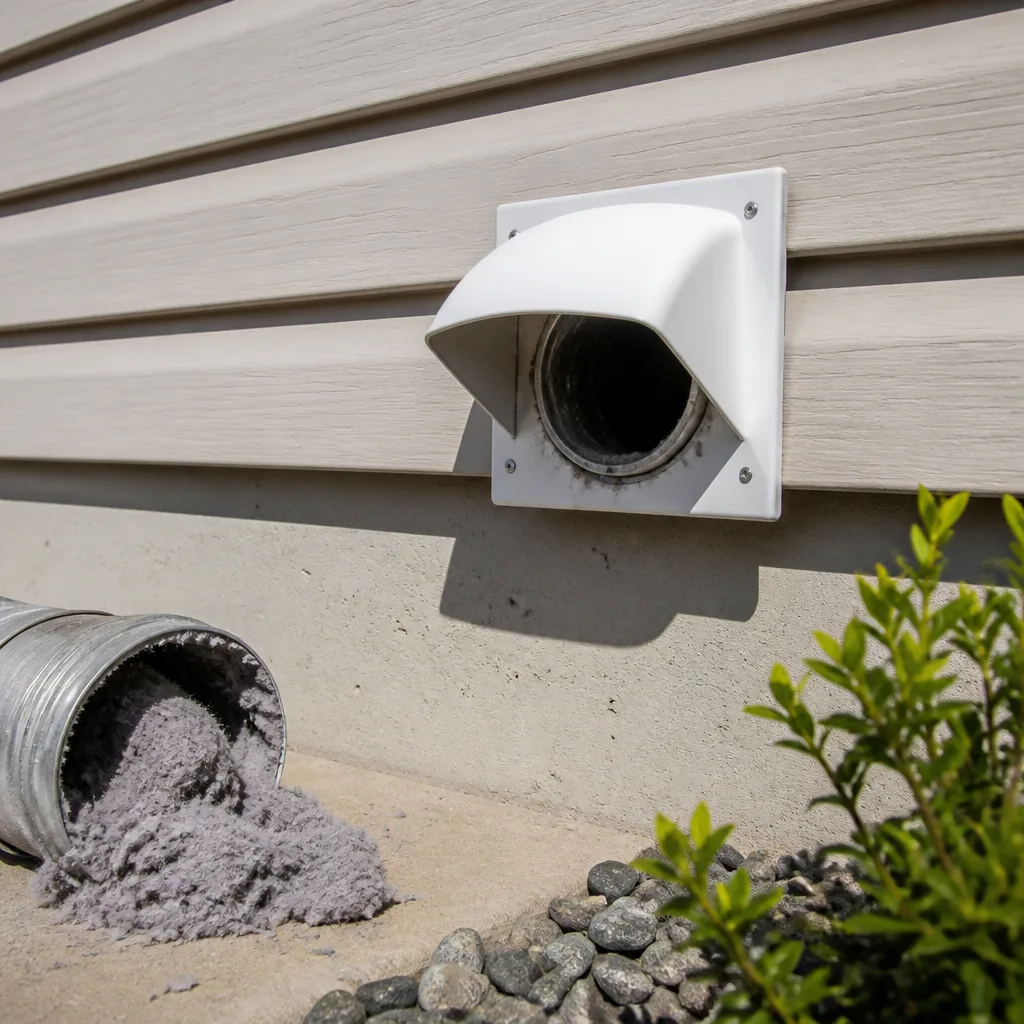 Dryer vent cleaning
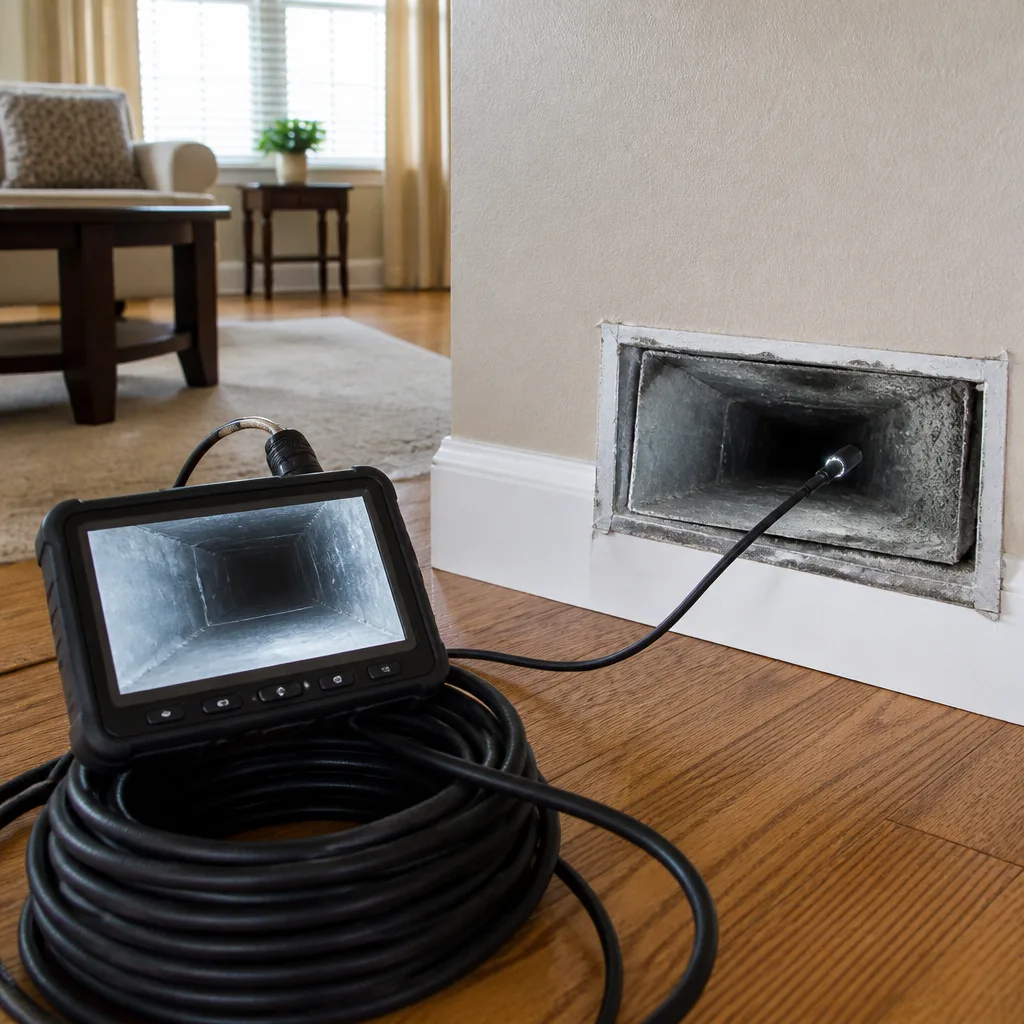 Camera inspection
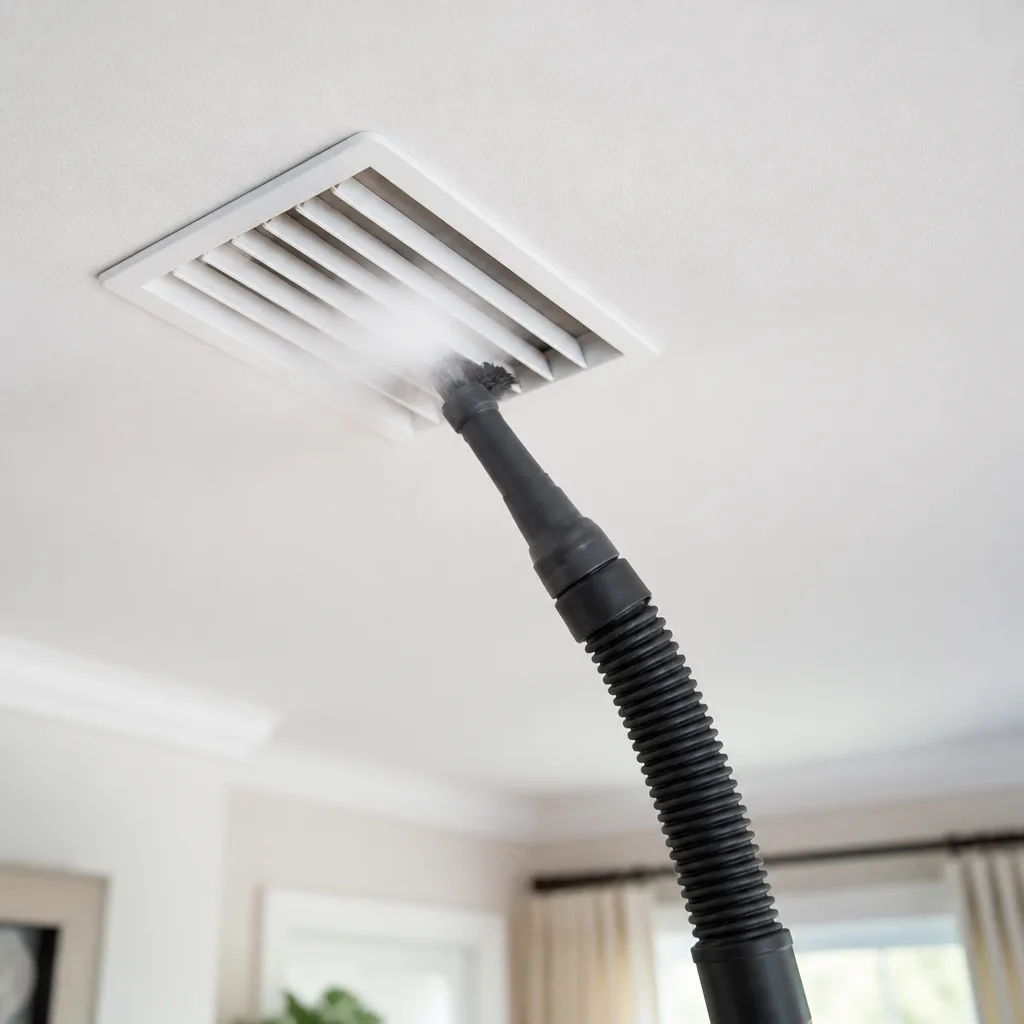 Sanitizing & deodorizing
Whole-system duct and dryer vent check with before-and-after photos - you see exactly what came out of your vents
That "$99 whole-house special" is a bait ad - the real number appears once they are in your hallway, or the "clean" is a shop-vac at the register. We photograph the inside of your ducts before and after instead.
Air Duct Cleaning Troubleshooting: Common Problems and How to Fix Them
Here’s a statistic that surprises most homeowners in Oak Park: roughly 40% of the duct cleaning jobs we’re called to re-do were “cleaned” less than two years prior. The equipment was run, the invoice was paid, and the air still smells stale. The problem isn’t that duct cleaning doesn’t work. The problem is that most companies treat it as a quick pass with a brush when it should be a diagnostic process. This guide walks through the most common problems homeowners hit before, during, and after air duct cleaning, what actually causes them, and which fixes are legitimate versus which ones are just a second invoice.
Quick Answer
Most post-cleaning problems fall into one of four categories: the cleaning itself was inadequate, the real source of the issue was never in the ducts to begin with, the ductwork has physical damage that cleaning exposed, or the issue is tied to the HVAC system rather than the ductwork. Identifying which category you’re in requires checking specific symptoms against specific causes. This guide breaks down exactly how to do that.
Styles & brands we work with
- Whole-home duct cleaning
- Dryer vent cleaning
- Camera inspection
- Sanitizing & deodorizing
Table of Contents
- Still Smelling Musty After Cleaning: What Was Missed
- Weak Airflow After a Cleaning: Duct Damage or System Problem
- Dust Returning Within Weeks: Failed Cleaning or Chronic Leakage
- Noisy Ducts After Service: What Changed and Why
- How to Document Your Ductwork Before and After Service
- When to Demand a Re-clean vs. When a Secondary Issue Is the Culprit
- Common Mistakes to Avoid
- When to Call a Professional
Still Smelling Musty After Cleaning: What Was Missed
If your home still smells stale two weeks after a duct cleaning, the technician cleaned the symptom and missed the source. We see this pattern constantly in Oak Park homes, especially older ones with original duct runs. The smell you’re describing is almost never loose dust. Loose dust smells like nothing. A musty, damp, or stale odor is biological, which means moisture is involved somewhere in the system, and no amount of brushing removes that.
The most common missed source is microbial growth at the evaporator coil. The coil sits inside the air handler, upstream of the duct runs. As air passes over it during cooling season, condensation forms. That condensation collects dust, skin cells, and whatever else the return air carries. The result is a damp, organic layer that hosts mold and bacteria. A standard duct cleaning with a rotary brush never touches the coil. The coil is inside the air handler cabinet, not the ductwork. If the company you hired did not open the air handler and inspect the coil, they could not have addressed the smell, because the smell was never in the ducts to begin with.
A second source is the condensate drain pan and line. When the drain pan holds standing water, the air blowing across it picks up the microbial odor and distributes it through the duct system. The ducts themselves may be spotless, but the air they carry still smells. At the equipment level, we use Abatement Technologies containment and air-scrubbing equipment during this type of investigation. You can’t clean what you can’t see, and you can’t see inside an air handler without proper access and lighting. In our experience, when musty odor persists after a cleaning, the coil or drain pan is involved in at least 70% of cases. The fix starts with opening the system, not re-brushing the ducts.
Weak Airflow After a Cleaning: Duct Damage or System Problem
Weak airflow after a duct cleaning is a red flag, and it points in one of two directions. Either the cleaning disturbed something that was already failing, or the airflow problem existed before the cleaning and the cleaning was never going to fix it. Both are common.
The first scenario: a collapsed or disconnected section of flex duct. Flex duct is the silver, insulated, accordion-style tubing used in most residential systems. Over time, the inner liner separates from the insulation, or the duct gets pinched where it passes through a tight joist bay. During a cleaning, especially one using aggressive agitation, a weak flex connection can pull loose. The result is a section of duct that is now delivering conditioned air into an attic or crawlspace instead of into the room. We confirm this with a room-by-room pressure check, comparing air velocity at each register in Oak Park homes. When one room is dramatically weaker than the others, the problem is almost always in that room’s branch run, not in the main trunk.
The second scenario: the airflow problem was never in the ducts at all. An undersized return, a failing blower motor, or a system that was oversized from the day it was installed will all present as weak airflow. If the cleaning company did not measure static pressure before and after the job, they have no way to tell you whether the ducts were the restriction or whether the equipment itself is the bottleneck. A professional duct specialist should be able to separate those two possibilities. That is the difference between a company that runs a brush and leaves and one that actually diagnoses the system. Not every Oak Park home has issue-free original duct design, and in some of the older neighborhoods, we see return capacity that was marginal even when the house was built.
Dust Returning Within Weeks: Failed Cleaning or Chronic Leakage
Dust returning two or three weeks after a cleaning is the single most common complaint that leads homeowners to call us for a second opinion. The cause is almost never that the cleaning “didn’t take.” The cause is either that the system was never actually cleaned, or that the system is pulling dust in from outside the ducts.
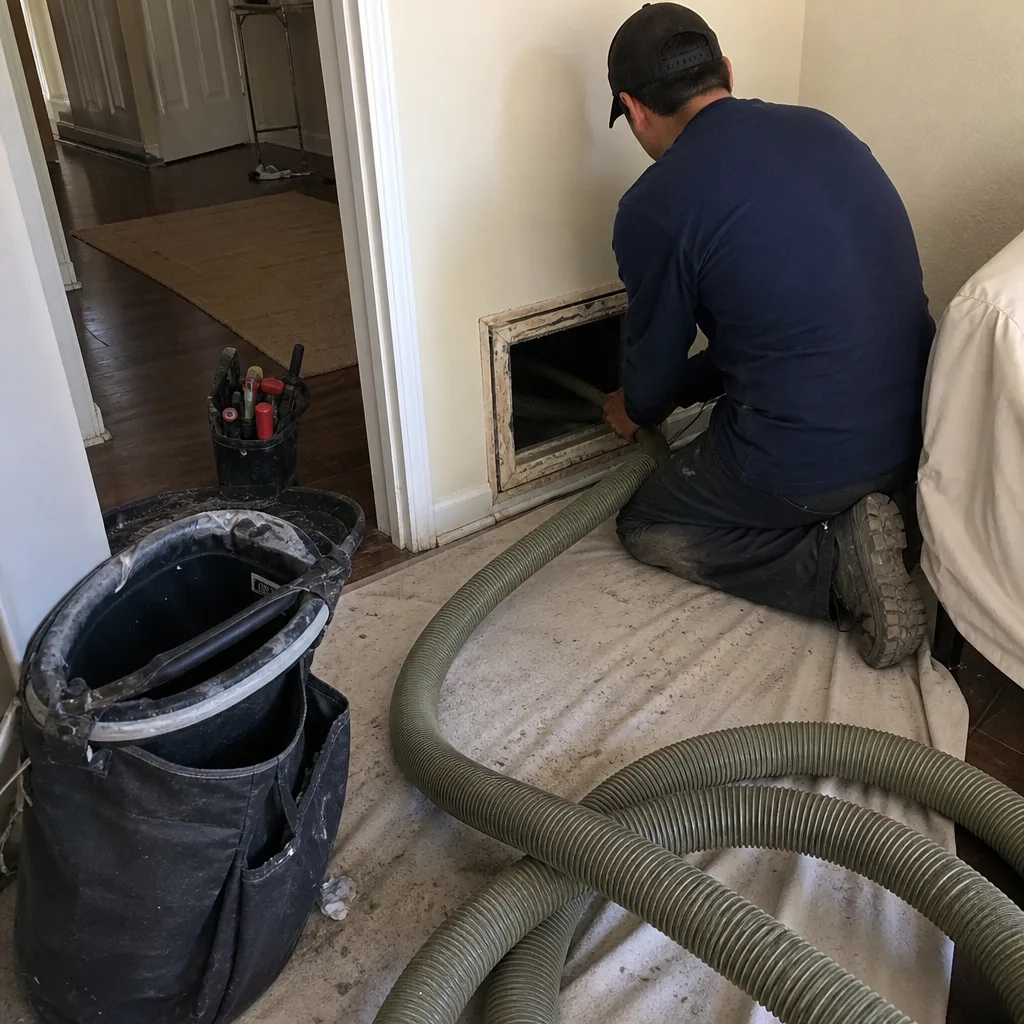
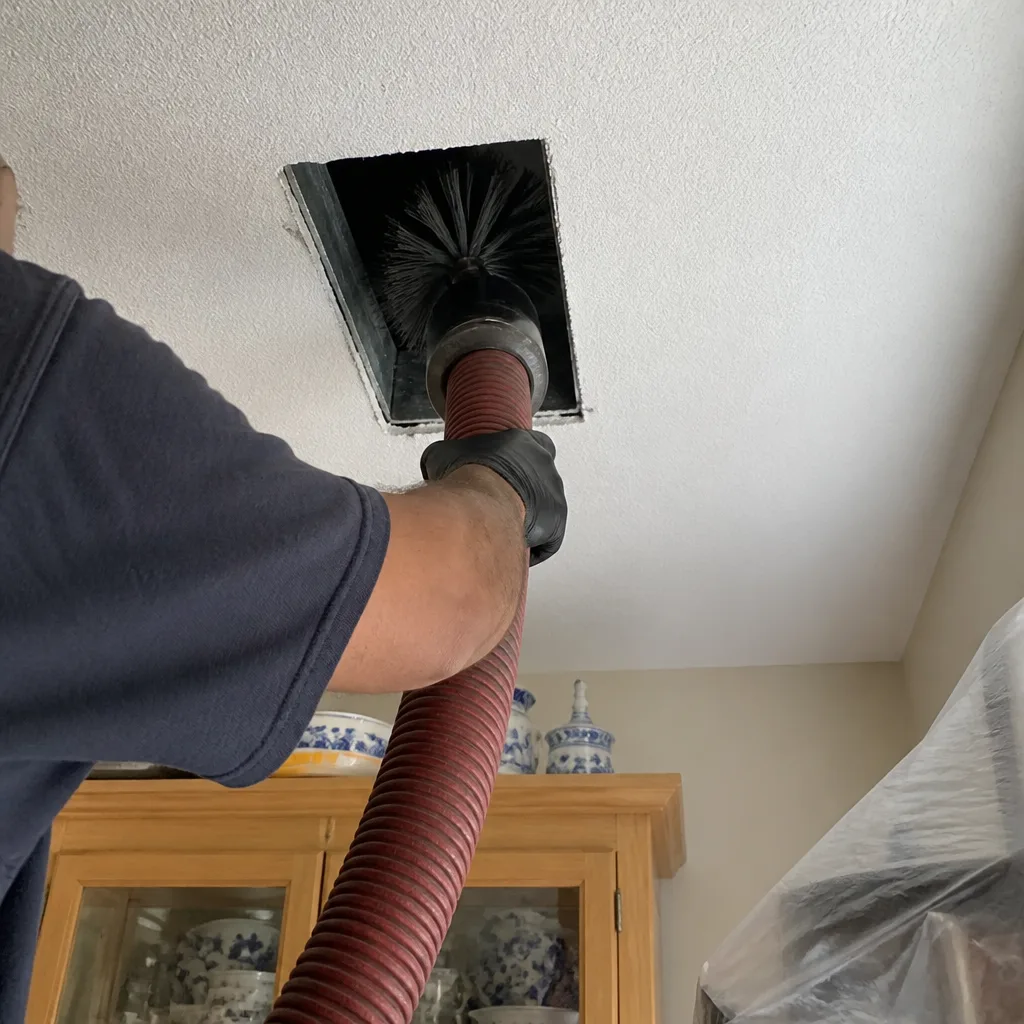
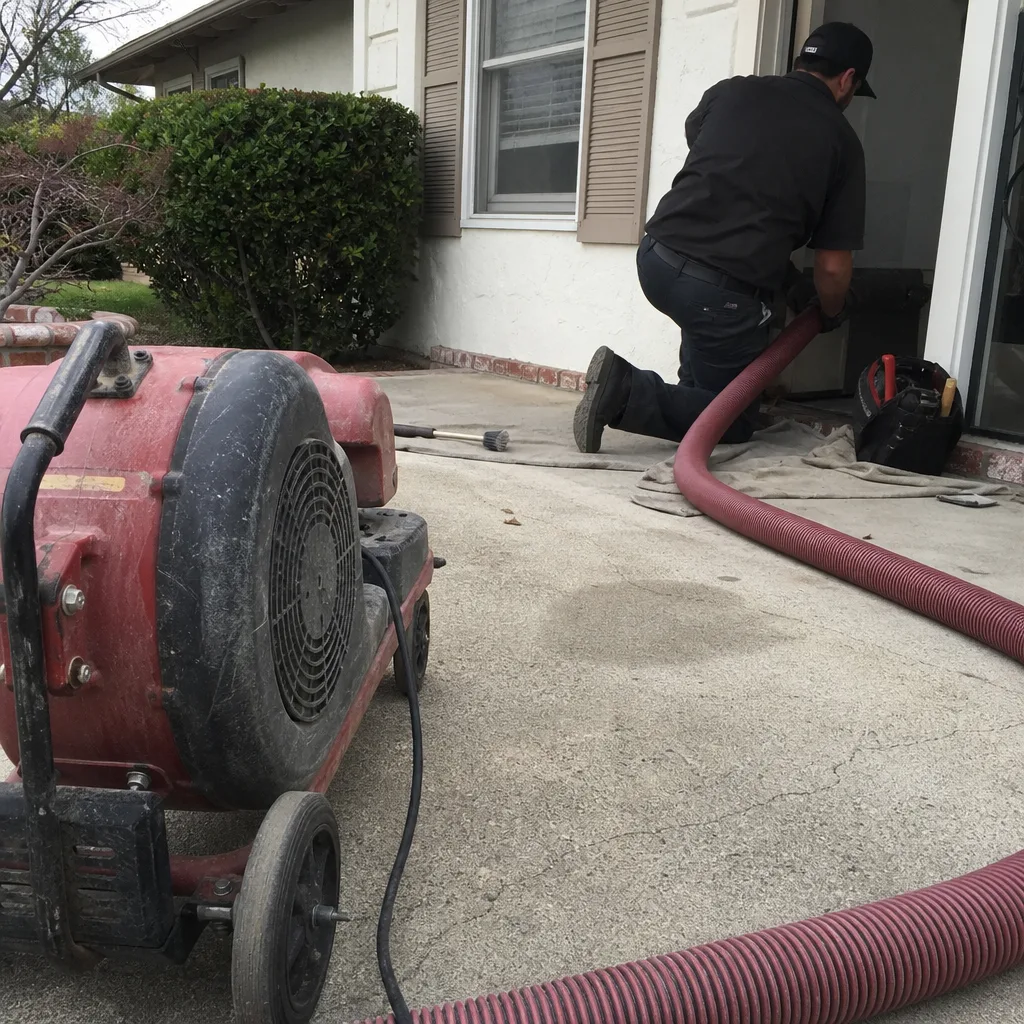
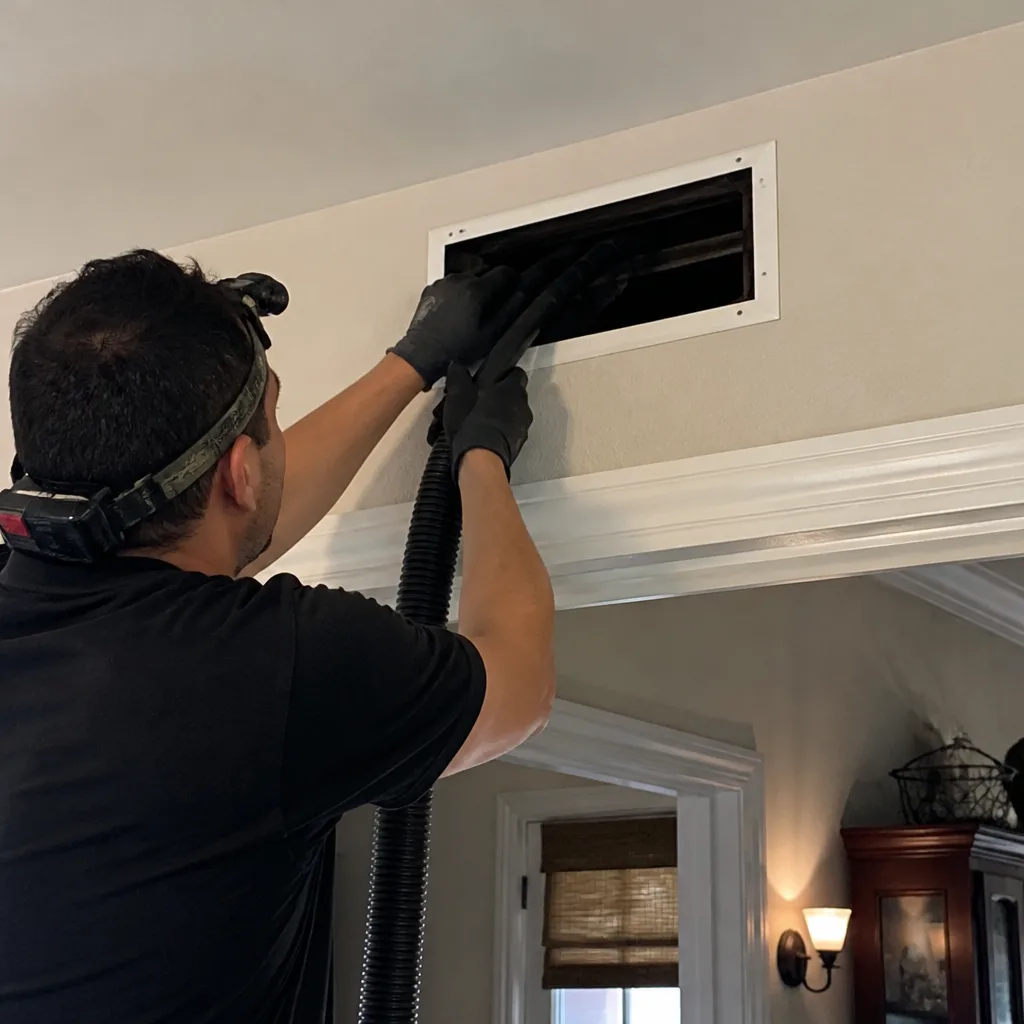
A failed cleaning usually comes down to equipment. A shop vac taped to a register will pull loose debris from the first few feet of duct and leave everything else untouched. The tools matter. We run Rotobrush rotary-brush systems paired with Nikro negative-pressure suction. The Rotobrush agitates and scrubs debris off the duct walls, and the Nikro unit keeps the system under negative pressure so the debris is extracted rather than aerosolized into the home. That combination is what actually removes the dust. A van-mounted vacuum alone, without agitation, is the industry equivalent of rinsing a dirty pan with water and no scrubbing. It looks clean for a few days.
But if the cleaning was done properly and the dust still returns, the problem is duct leakage. A return-side leak pulls attic or crawlspace air, which carries insulation fibers, dust, and whatever else is in that space, directly into the system. The ducts fill back up because the system is constantly importing outside air. In a typical duct system, return-side leakage of 10 to 20 percent is not unusual. That is a repair issue, not a cleaning issue. Our Air Duct Repair service addresses this specifically, sealing and reconnecting sections so the system only carries air from inside the home. Oak Park homes with older duct installations, particularly those with ducts in vented attics, are more prone to this than homes with ducts inside conditioned space.
Noisy Ducts After Service: What Changed and Why
Noise after a duct cleaning is usually one of three things, and all three are diagnosable by ear if you know what you’re listening for.
A rhythmic popping or oil-canning sound in the metal trunk is the duct flexing under pressure. This often appears after a cleaning because the cleaning removed debris that was damping the metal. The duct was always flexing; you just couldn’t hear it under the layer of dust and debris. It is usually a sign that the duct is undersized for the airflow the system is trying to push. The fix is rarely a re-cleaning. It is a review of system static pressure and, if needed, duct modification. This is not a cleaning problem; it is a design problem that the cleaning revealed.
A rattling near a register is typically a loose damper or a disconnected boot that the cleaning agitation loosened. This is a simple fix, and any competent technician should address it at no charge if the cleaning caused it. We treat that as part of the job, not an add-on.
A whistling sound is different. It points to a new restriction, usually a partially closed damper that was moved during service or a filter that was reinstalled incorrectly. The first thing to check is the filter orientation. The arrow on the filter frame should point toward the air handler. If it is backwards, the filter can collapse slightly under pressure and whistle. That is a thirty-second fix. If the whistling persists at a specific register, check whether that register’s damper is fully open. Oak Park homes with multi-story duct runs sometimes have dampers that are difficult to access, and a technician in a hurry can bump one without realizing it.
How to Document Your Ductwork Before and After Service
The best defense against a substandard duct cleaning is objective documentation. If you wait until after the job to wonder whether it was done, you are relying on the company’s word against your suspicion. That is a losing position. Document first, and you will never need to argue.
Here is the process we recommend to every Oak Park homeowner before any duct work begins:
- Photograph every register and return grille before service. Use your phone. Remove the register cover and take a clear photo looking into the duct. The flash will show you the layer of dust and debris on the duct walls. Do this at every vent, including returns. If the duct is clean in the photo, you have a baseline. If it is dirty, you have evidence.
- Photograph the air handler interior if you can access it. Open the filter door and take a photo of the filter, the blower area, and the coil if visible. If the coil is covered in a gray or black mat, that is important to document. A proper cleaning should address it or at least flag it for you.
- Photograph the inside of a representative duct run. Remove a register in a far room and reach in with your phone camera. The photo does not need to be pretty. It needs to show the condition of the duct wall.
- After service, repeat every photo from the same position. Compare. The dust layer should be visibly gone. The duct should look like bare metal or clean flex, not a gray coating. If the before and after photos look the same, the cleaning did not happen.
- Ask for before and after photos from the technician. A company using professional equipment has cameras that go inside the duct. If they cannot show you their own photos, ask why.
This documentation does more than hold a company accountable. It gives a second technician, if one is needed, an exact picture of what the system looked like before the first company touched it. That is valuable diagnostic information, and it is information most homeowners in Oak Park do not have when they call us for a second opinion.
When to Demand a Re-clean vs. When a Secondary Issue Is the Culprit
One of the most frustrating positions a homeowner can be in is knowing something is wrong but not knowing whether the company owes them a re-clean or whether a separate problem needs separate work. The distinction matters because it determines who should pay for the fix.
Demand a re-clean at no charge when the problem is verifiable failed work. If your before and after photos show no visible change in duct condition, the cleaning did not occur. If you find a register that was never opened or a branch run that was clearly skipped, that is failed scope of work. If the dust returns within days, not weeks, and you can see debris still sitting in the ducts when you remove a register, that is failed cleaning. These are cases where the company sold you a service and did not perform it. In our experience, most reputable companies will re-clean without argument when the evidence is objective. The ones that argue are the ones that should not have been hired in the first place.
A secondary issue is different. If the cleaning was verifiably done, but the musty smell persists, that is microbial growth at the coil or in the drain pan. Cleaning the ducts again will not fix it. It requires addressing the coil, which is a different scope of work. If the cleaning was done but dust returns within weeks and the ducts are visibly clean, that is return-side leakage pulling attic or crawlspace air into the system. Re-cleaning will not fix a leak. If airflow is weak but the ducts are clean, the problem is system design, a failing blower, or a collapsed flex section. None of those are cleaning work.
The practical rule: a re-clean is owed when the work that was paid for was not performed. A repair or secondary service is needed when the work was performed and the problem is downstream or upstream of the ducts. We see Oak Park homeowners get this wrong in both directions, sometimes letting a company off the hook on a failed clean because they were told “that’s an HVAC issue,” and sometimes paying for a second cleaning that could never have fixed a leak or a coil problem.
Common Mistakes to Avoid
- Paying for a second cleaning without identifying why the first one failed. If the cause was a bad company, fine. If the cause was a coil issue or duct leakage, a second cleaning is wasted money. Diagnose before you pay.
- Assuming a cheap cleaning is the same as a professional one. A Rotobrush and Nikro system costs real money and requires trained operation. A shop vac and a flashlight does not. The price difference is not markup; it is the difference between equipment that cleans and equipment that gives the appearance of cleaning.
- Ignoring the air handler during a cleaning quote. If the company does not mention inspecting the coil, the blower, and the drain pan, they are not doing a full system cleaning. In an Oak Park home with central air conditioning, the coil is the most likely place for microbial odor to originate. Skipping it is skipping the problem.
- Not documenting before and after. Without photos, a dispute over whether the work was done is one person’s word against another. You will lose that argument, or at best tie. Photos settle it in five minutes.
- Treating duct cleaning as a standalone event rather than part of the IAQ picture. Ducts are one component in the air you breathe. A technician who understands Honeywell and Aprilaire systems can at least tell you whether your filtration and ventilation are working with or against your ductwork. A technician who only sees ducts will miss the connection.
- Waiting until symptoms are severe before addressing a dryer vent. The dryer vent is not part of the supply or return duct system, but it is frequently overlooked. A restricted dryer vent is the leading cause of dryer fires and also a common reason clothes take two cycles to dry. If you’re addressing air systems, check it.
- Accepting a “no access” explanation without question. Some duct sections are genuinely hard to reach, but a professional with the right equipment can access almost everything. If a company tells you they “couldn’t get to” certain ducts, ask what equipment they were using and why. The answer is usually telling.
When to Call a Professional
Some duct problems are visible and simple: a disconnected register, a collapsed flex run you can see in the attic, a filter that has not been changed in a year. But most of what goes wrong inside a duct system is invisible without professional tools. You cannot see a coil without opening the air handler. You cannot measure return-side leakage without specialized equipment. You cannot assess blower performance with a flashlight. If you have documented dust that returns despite a recent cleaning, a musty odor that persists after a cleaning, or airflow that simply never recovered, call a specialist who can diagnose before treating. Duct Cleaning Oak Park offers free estimates in Oak Park, and we begin every job with an inspection, not a brush. Reach us at (844) 620-0479.
See the difference
 Before
 After
 Before
 After
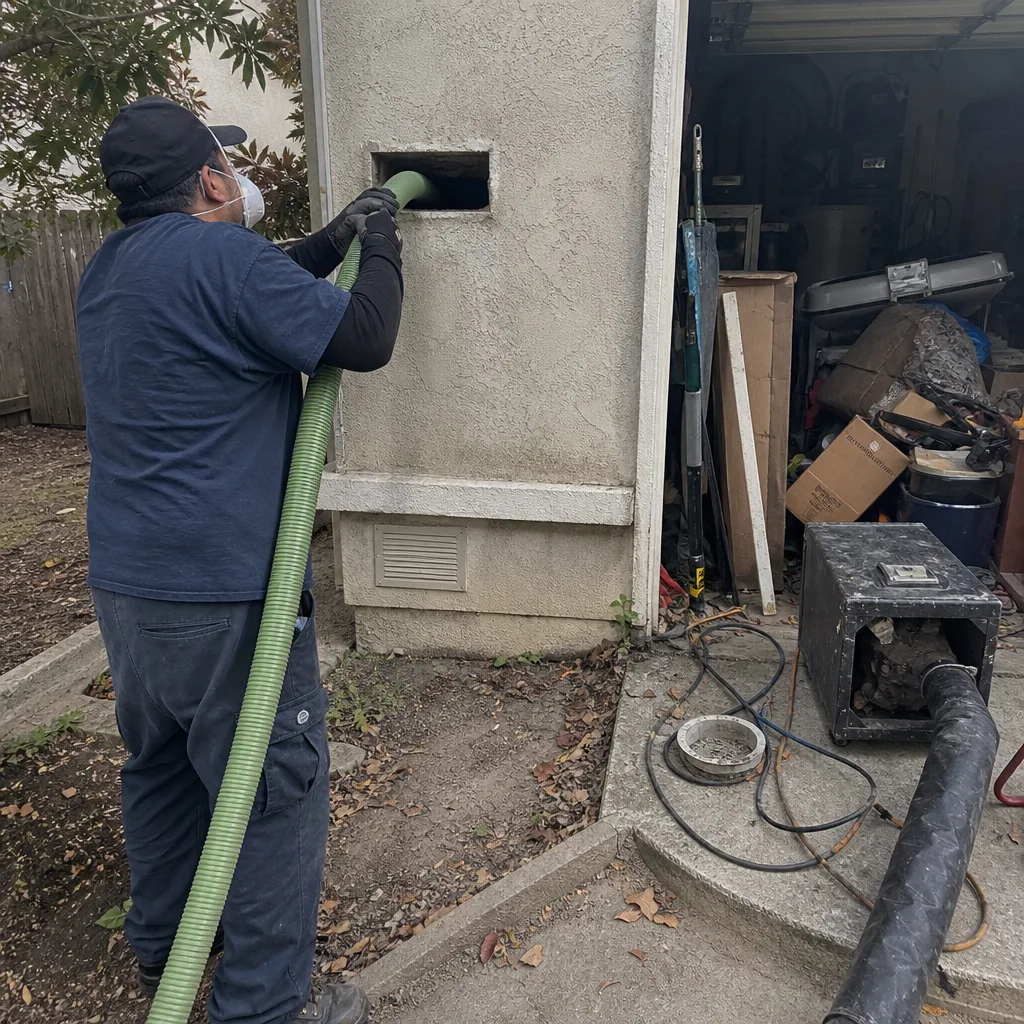 Before
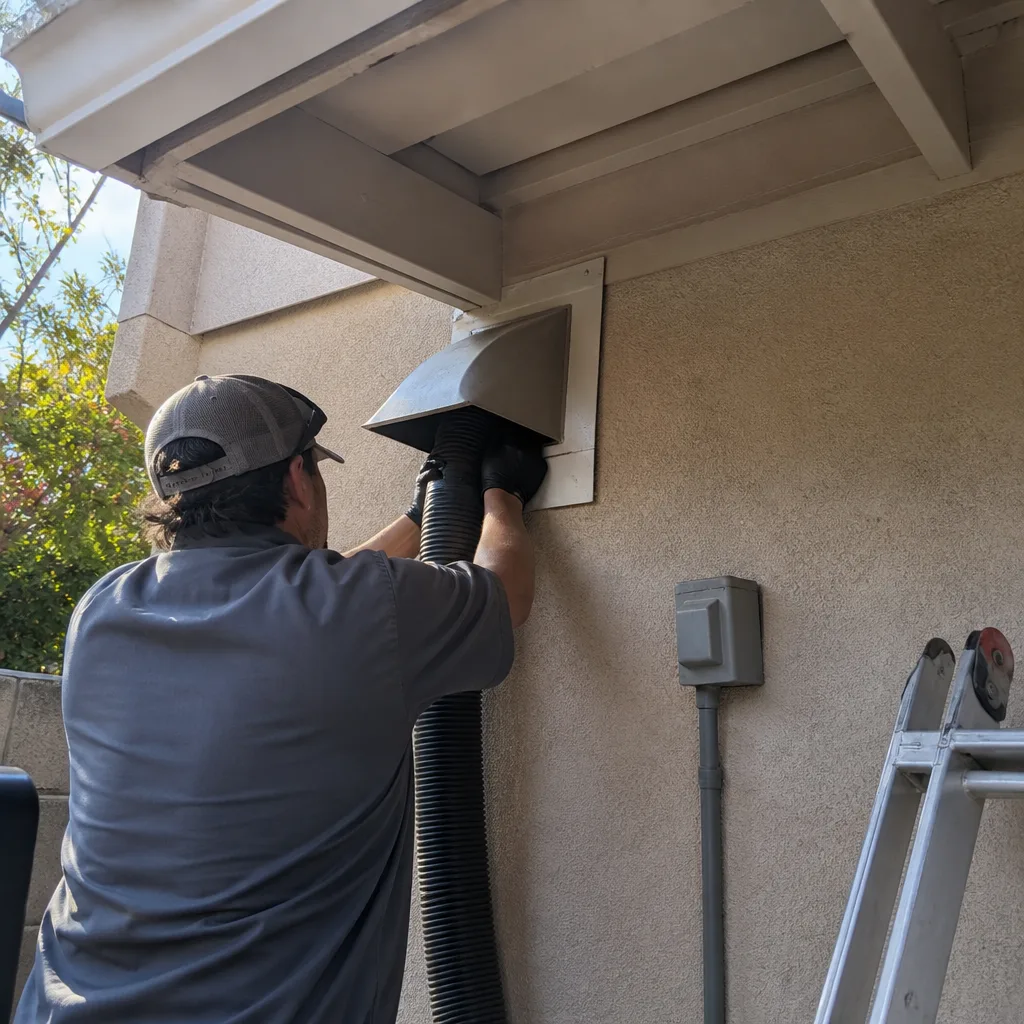 After
Frequently Asked Questions
A professional whole-home duct cleaning in the Oak Park area typically runs between $400 and $900 depending on home size, number of systems, and the condition of the ductwork. Homes with a single system and standard duct runs are on the lower end; larger homes or systems with significant debris or visible contamination are on the higher end. We quote one flat price per system before work starts, so the number you are quoted is the number you pay. Call (844) 620-0479 for a precise quote on your home.
Cheaper quotes usually mean lighter equipment and fewer steps. A company running a shop vac through the registers can charge $99 and still make money, but they are not cleaning your duct system. We use Rotobrush rotary-brush agitation paired with Nikro negative-pressure extraction, which is a different category of work. The equipment costs more to own and operate, and the labor takes longer. If a quote is dramatically below the $400 floor for a whole-home cleaning, ask what equipment they use and what the process covers.
You know by comparing before and after photos of the same duct sections, whether yours or the company’s. A properly cleaned duct should look like bare metal or clean flex liner, not a gray coating. If you remove a register after the job and see the same dust layer you photographed before the job, the work was not done. Ask any company you hire for camera documentation. A professional operation will have it.
For most homes in Oak Park, every 3 to 5 years is a reasonable interval. The variables include whether you have pets, whether anyone in the home has significant allergies, whether you have had renovation work (drywall dust is aggressive), and whether the return side is pulling from a dusty attic. If you have new carpet, new roofing, or any construction that produces fine particulate, clean sooner. If the home is clean, has good filtration, and the ducts were sealed properly, 5 years is fine. See our more guides & resources for additional maintenance tips.
Yes, but the mechanism is usually less about dust in the ducts and more about what the HVAC system is circulating. If the coil or blower is contaminated, the system is actively distributing an allergen load every time it runs. If the ducts are leaking on the return side, the system is pulling attic particulate and seeding the home with it. An Oak Park home with seasonal allergies and an older duct system often sees real improvement after a proper cleaning and a coil inspection, not just a register pass.
No. In fact, in our experience it is more often an air handler problem than a duct problem. The evaporator coil, the condensate pan, and the drain line are all wet components and all capable of supporting microbial growth. The smell develops there and is pushed through the ducts. If the smell appears only when the AC runs, that points to the coil. If the smell appears whenever the fan runs, the smoke signal is broader, but the coil is still the first place we look.
The Bottom Line
Duct cleaning is a tool, not a guarantee. When it is done with professional equipment by a company that understands the whole system, it removes a real source of household dust and can meaningfully improve air quality. When it is done cheaply, or when the system around the ducts is ignored, it fails. And the failure is not subtle: the smell persists, the dust returns, the airflow never recovers. The path forward is not to repeat the same cleaning and hope for a different result. It is to identify which of the four root causes is at play, document the evidence, and apply the right fix. In Oak Park, the Duct Cleaning Oak Park home service area includes homes with a wide range of duct ages and system designs, and we have seen every failure mode described in this guide. Whether the fix is a proper cleaning with Rotobrush and Nikro equipment, Air Duct Repair in Oak Park, or a Dryer Vent Cleaning in Oak Park, the starting point is always the same: find the source, then treat it.
For a full-system inspection and a flat-price quote on Air Duct Cleaning in Oak Park, call us at (844) 620-0479.
Written by the team at Duct Cleaning Oak Park, serving Oak Park since 2017.